A Community of
purpose

We’re bringing together a dynamic community of educators, policymakers, community members and researchers who are passionate about shaping the future of education. Through this online community, we’re sparking conversations, sharing insights, and building a movement for lasting change—because transforming education takes all of us.
A Community of
purpose
We’re bringing together a dynamic community of educators, policymakers, community members and researchers who are passionate about shaping the future of education. Through this online community, we’re sparking conversations, sharing insights, and building a movement for lasting change—because transforming education takes all of us.

NCEE’s Monthly Newsletter
Onward!
In our newsletter, you’ll find a blend of insights from research and the wisdom of practice—designed to spark ideas, inspire action, and foster dialogue. From the latest in education research and international education news to real examples of innovation and impact within U.S. schools and districts, NCEE’s Onward! is your go-to source for thought-provoking perspectives and meaningful discussions on the future of education. We hope you’ll sign up to receive the newsletter and add your voice to our discussions.
Join the conversation.
Explore more.
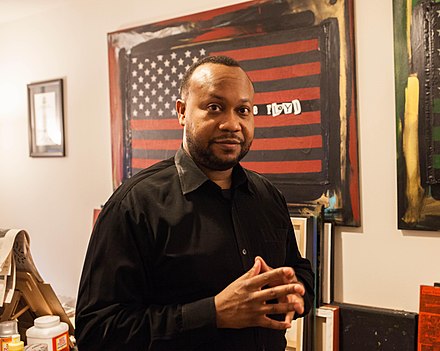
Ligel Lambert, a U.S. art teacher at Shanghai’s Shi Xi High School, highlights the IB program’s emphasis on independent learning, critical thinking, and English fluency, contrasting it with classroom norms in China, Japan, Korea, and the U.S.
Ligel Lambert, a U.S. art teacher at Shanghai’s Shi Xi High School, highlights the IB program’s emphasis on independent learning, critical thinking, and English fluency, contrasting it with classroom norms in China, Japan, Korea, and the U.S.

This interview with Mistilina Sato highlights how Shanghai’s collaborative teaching culture, with peer observation, mentorship, and shared lesson planning, supports teacher growth and career advancement.
This interview with Mistilina Sato highlights how Shanghai’s collaborative teaching culture, with peer observation, mentorship, and shared lesson planning, supports teacher growth and career advancement.
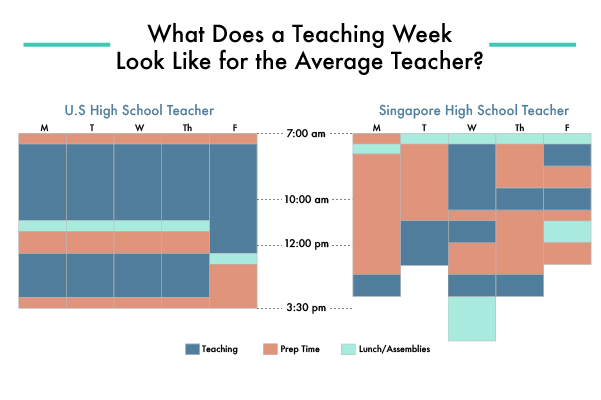
Teachers in the U.S. spend more time teaching, and thus have less time for collaboration and planning, than their counterparts in high-performing education systems.
Teachers in the U.S. spend more time teaching, and thus have less time for collaboration and planning, than their counterparts in high-performing education systems.