

In 2024, over 280,000 teachers across 55 education systems shared their views on the leadership of 17,000 principals. Their responses and the perspective of the principals they work with can help us rethink the role of leadership in strengthening teaching and learning.
Nardos Tesfay of the OECD opened with a presentation of key findings from the latest TALIS report: The Value of School Principals in TALIS 2024, offering an international perspective on
- Why valued leadership matters,
- Who valued principals are, where they work, what they do, and
- How they can be supported.
NCEE President and CEO Vicki Phillips then moderated a discussion with school principals and a superintendent, bringing the data into conversation with the realities of leading schools and systems.
Together, the panel explored what TALIS reveals about the profession, the pressures educators and leaders are navigating, and what the findings suggest about how education systems can better support the people at the heart of teaching and learning.
“Strong school leadership isn’t just about the heroic individual principal who somehow manages to carry everything. It’s also about the systems around them.”
— Vicki Phillips, NCEE President and CEO
Phillips framed the discussion around a central question emerging from the latest TALIS findings: What makes principals effective, and what conditions allow them to succeed? While 95% of U.S. principals report being satisfied with their jobs, the survey also reveals significant pressures on school leaders. The conversation explored how strong relationships, shared leadership, professional learning, and system-level support can help principals focus on what matters most: teaching and learning.
Keeping Teaching and Learning at the Center
“Teachers value principals who keep teaching and learning at the center of their work, and bring others in to lead. And principals need time and resources for that work, because it relies on building trust and supportive relationships.”
— Nardos Tesfay, OECD
Presenting findings from TALIS 2024, Tesfay explained that teachers tend to rate principals more highly when they prioritize instructional leadership, encourage teacher-led professional development, and involve staff, students, and families in school life. But the demands of the job can compete with those priorities. More than 70% of principals across OECD systems identify excessive administrative work as a source of stress, and those reporting administrative stress tend to receive lower instructional leadership ratings.
Trust, Accountability, and a Shared Vision
“Trust is not about avoiding hard conversations. It’s about creating that safety where people know that we’re all trying to get better together.”
— Abigail Johnson, Principal, Fremont Academy, Nevada
Johnson described how a shared commitment to student outcomes helps build trust while maintaining high expectations. At Fremont Academy, where many students arrive several grade levels behind, consistent instructional practices and opportunities for teachers to learn from one another are essential. Classroom walkthroughs and instructional rounds have helped shift professional learning from an individual responsibility to a collaborative effort, with teachers observing, questioning, and strengthening one another’s practice.
Making Shared Leadership Meaningful
“If you’re someone that really values distributive leadership and is something that you talk frequently of, you need to make sure that you have those systems in place where those stakeholders can come to the table and be part of the decision-making process.”
— Andrew Anderson, Principal, Barrington Middle School, Rhode Island
Anderson emphasized that shared leadership requires more than inviting feedback. At Barrington Middle School, a representative instructional leadership team helps shape decisions about scheduling, grading, and other schoolwide practices. His experience reflects a particularly striking TALIS finding: In the United States, the connection between shared decision-making and teachers’ perceptions of effective leadership is four times stronger than the OECD average. Meaningful participation, Anderson explained, depends on intentional structures, a common vision, and a willingness to share responsibility for decisions.
Creating the Conditions for Principals to Lead
“Our job is to remove as many barriers as possible.”
— John Barnett, Superintendent, Corinth School District, Mississippi
From the district perspective, Barnett stressed the importance of clear expectations, coherent priorities, and giving principals the autonomy to do their jobs. District departments can take responsibility for operational demands, from transportation to child nutrition, so principals can spend more time in classrooms, working with teachers, and leading instructional improvement. Rather than relying on top-down direction, effective systems establish a clear framework, provide support, and give school leaders room to exercise their judgment.
Leadership Is Learned Together
“Some of my best learning has been participating, but also facilitating those NISL sessions, and the relationships that I’ve formed with my participants has been awesome.”
— Andrew Anderson
The discussion also highlighted the importance of professional networks for principals. TALIS findings suggest that principals who engage in in-person professional learning, including observing colleagues and exchanging ideas, tend to receive stronger instructional leadership ratings from teachers. Johnson described principal learning communities that bring school leaders together for classroom visits, shared problem-solving, and collaborative professional development. Anderson pointed to his experience with NCEE’s National Institute for School Leadership (NISL), emphasizing the lasting value of relationships and opportunities to see effective leadership in practice.
Together, the findings and experiences shared by the panel underscored a common message: Strong school leadership depends not only on the capabilities of individual principals, but also on the relationships, structures, and support systems that allow them to lead effectively.
“We have to help principals create those conditions for the people in their buildings and the people they serve, but we also have to help create the conditions where principals can do their jobs and do it well. And that feels like a challenge worth taking really seriously in the U.S. and around the world.”
— Vicki Phillips,
Meet the Panel
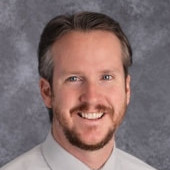
Dr. Andrew Anderson
Principal of Barrington Middle School, a suburban public school serving approximately 850 students in grades 6–8 outside Providence, Rhode Island.

Dr. John Barnett
Superintendent of Corinth School District, a district serving approximately 2,500 students in northeastern Mississippi.
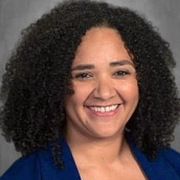
Dr. Abigail Johnson
Principal of Fremont Academy Professional Development Middle School in Las Vegas, Nevada, serving more than 650 students in grades 6–8.

Dr. Vicki Phillips
President and CEO of the National Center on Education and the Economy

Dr. Nardos Tesfay
education policy researcher with the OECD’s Teaching and Learning International Survey (TALIS) team.