
When Leadership Development Lives in Silos
Leadership development in education often happens in disconnected spaces. In rural regions, these divides can be even more pronounced, as leaders often work across multiple roles, face capacity constraints, and have limited access to sustained, high-quality professional learning networks.
Universities contribute deep grounding in theory and research, often preparing aspiring leaders while also serving some sitting leaders through advanced study. Districts provide professional learning that supports leaders in navigating day-to-day operational and instructional demands. External organizations contribute targeted programs and tools that introduce new ideas, frameworks, and practices into the field.
Yet these systems rarely operate together. The result is that leadership development can become fragmented, with episodic learning experiences rather than a continuous developmental pathway. Leadership preparation, professional learning, and externally developed programs often operate in parallel rather than reinforcing one another.
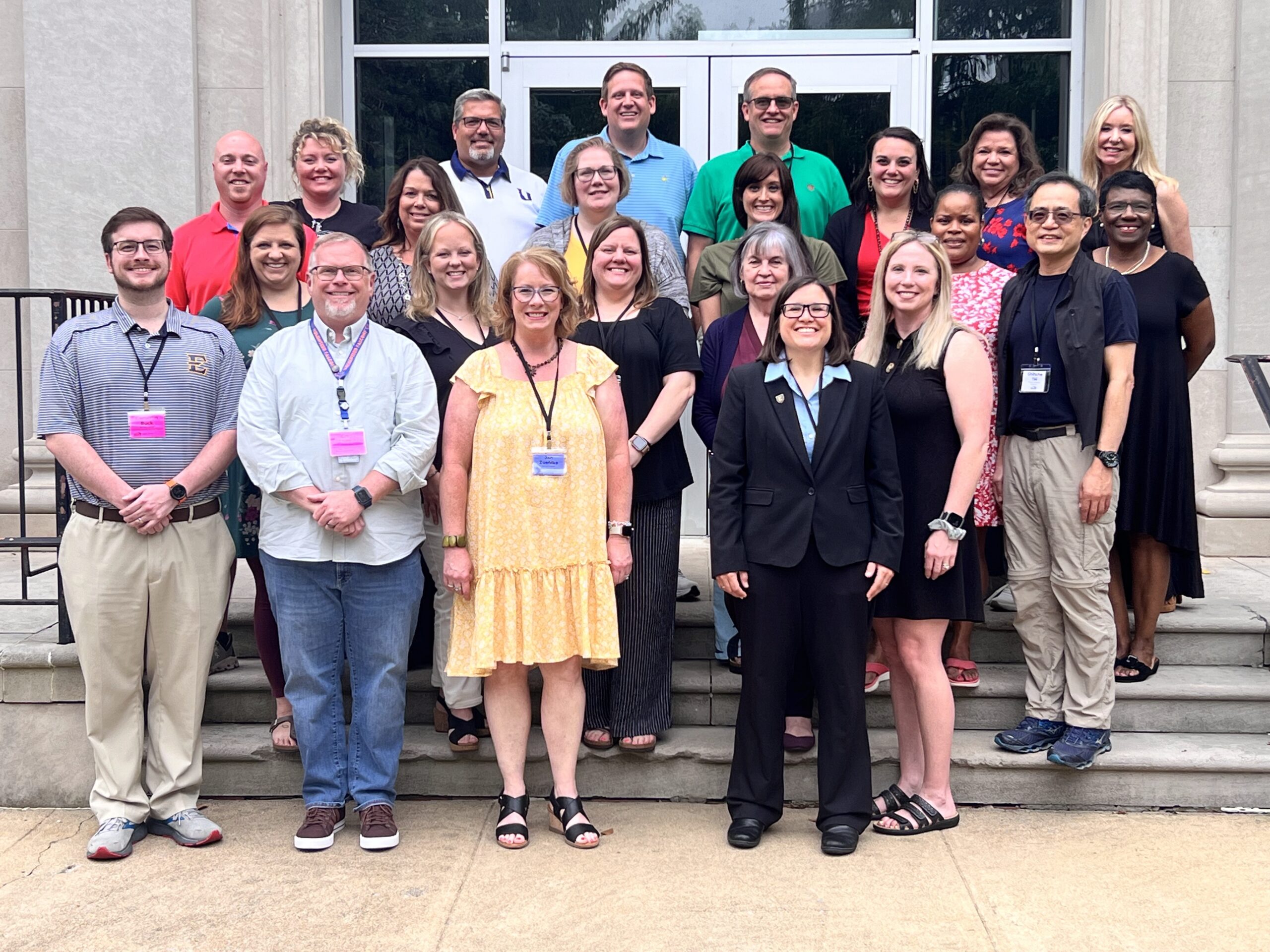
In eastern Tennessee, a partnership between East Tennessee State University (ETSU) and The National Center on Education and the Economy (NCEE) set out to bridge these divides. Through a federal SEED grant that started in January 2023, ETSU faculty, regional school leaders, and NCEE facilitators created a shared leadership learning community that connected leadership preparation, professional practice, and research-based frameworks.