
High Performing Countries
Learn about high-performing global models of education and what sets them apart.
For several decades, we have been analyzing education systems around the world for insights that U.S. states and districts can learn from. In these profiles we highlight exemplary education systems from which to draw lessons on how to enable students to achieve and thrive. These jurisdictions have the essential components of strong learning systems in place, and have ensured that they work in concert over the long term to produce results at scale.
NCEE’s High Performers are chosen for:
- Excellence, as measured by academic performance across multiple grades, positive student attitudes toward learning, and well-being
- Equity, as measured by narrowing differences between students at different socio-economic levels in academic performance, approaches to education, and well-being.
- Efficiency, as measured by return on investment of money and time in terms of skills, competencies, and later life success and earnings.
In addition, aligned with the NCEE Blueprint: Designing Systems that Work, we examine system performance across the long life of learners, from early childhood through adulthood. These global models succeed in multiple dimensions, promoting academic achievement, well-being, and skill development at every stage of learners’ lives.
Jurisdictions that demonstrate exemplary strength in specific dimensions are recognized with badges in excellence, equity, and efficiency.

Canada had one of the strongest performances when PISA was first administered in 2000 and has remained a top performer since. It is notable for the equity of this performance and its decentralized education system.
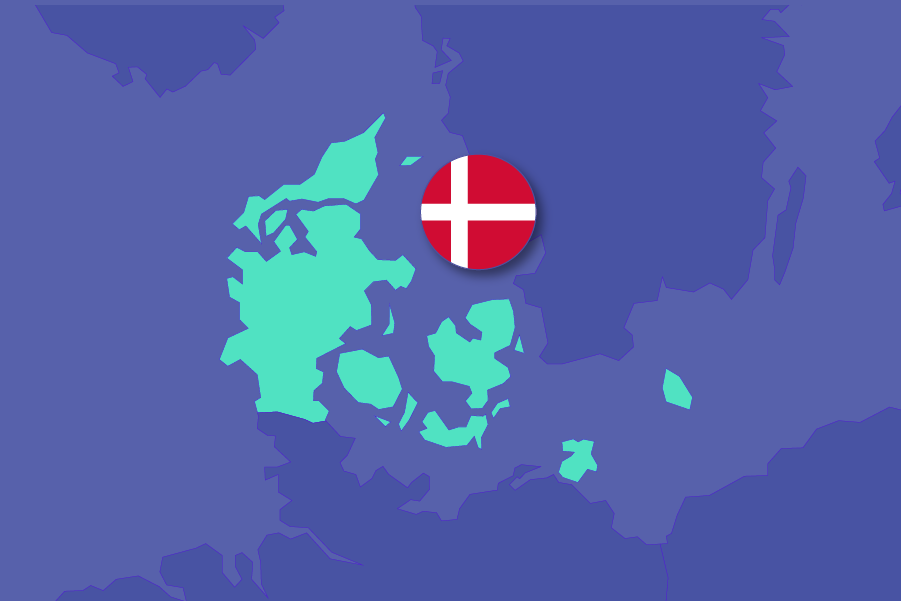
Denmark has consistently outperformed the OECD average since the first PISA in 2000. It was the first country to have a comprehensive mass education, and its commitment to equity remains a hallmark of its system.
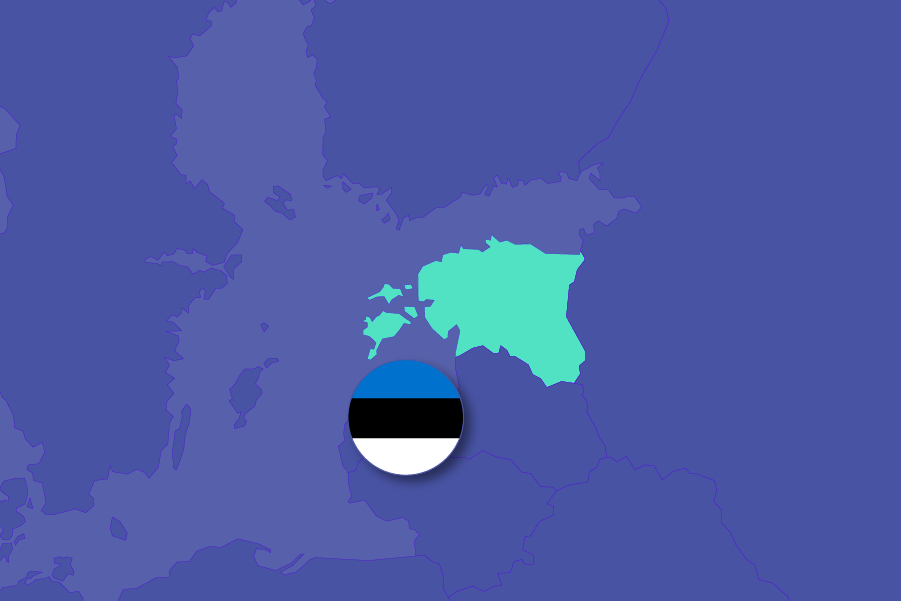
Estonia emerged as a top performer on PISA 2012 and has remained a European leader since. After gaining independence in 1991, the Estonian economy has grown nearly eightfold, driven partly by its strong education system.
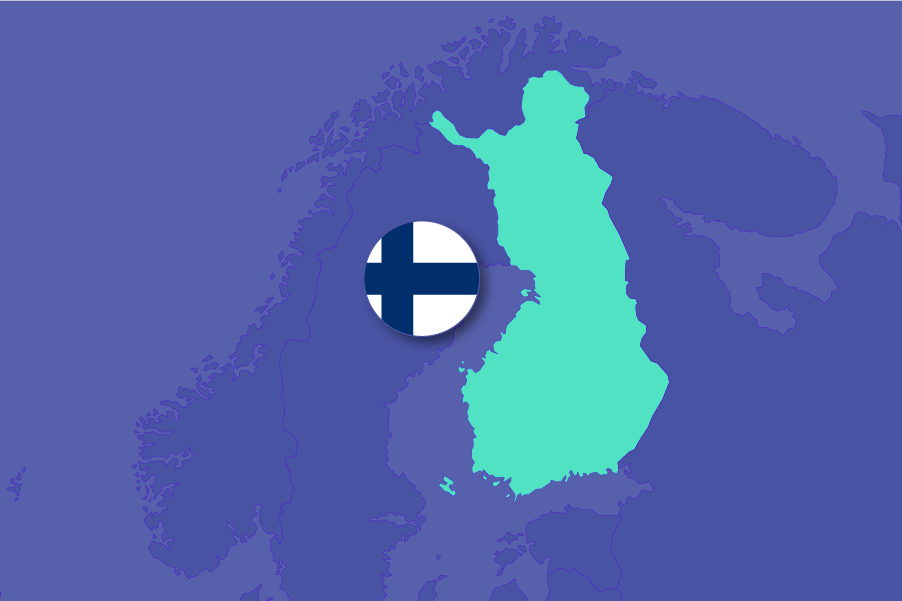
Finland outperformed all other jurisdictions on the first PISA in 2000 and has remained in the top tier for years. Teachers in Finland have a well-deserved reputation for excellence and a high degree of autonomy.
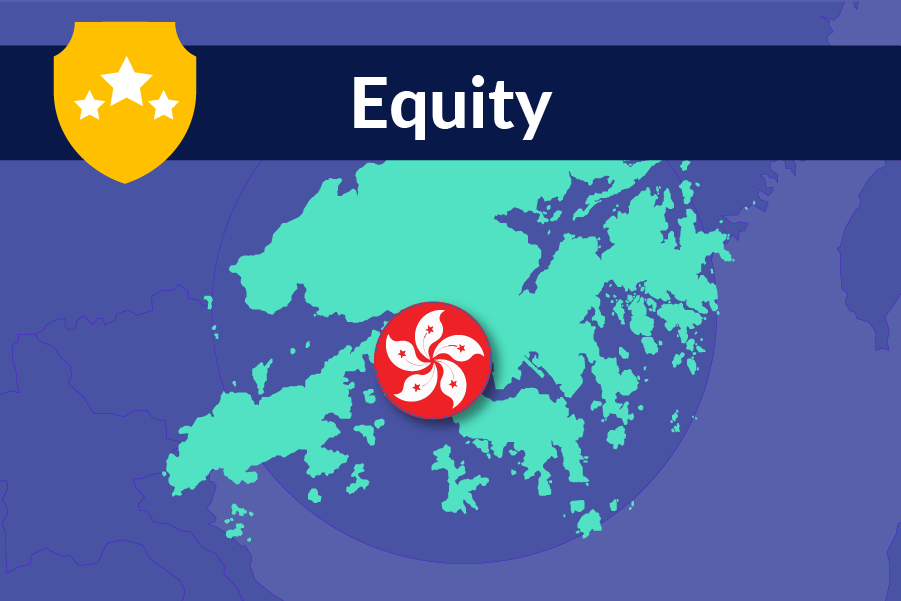
Hong Kong has been a world leader on PISA since the first assessment in 2000. Its education system is a hybrid of British and Chinese education traditions and is noteworthy for the equity of its students’ performance.
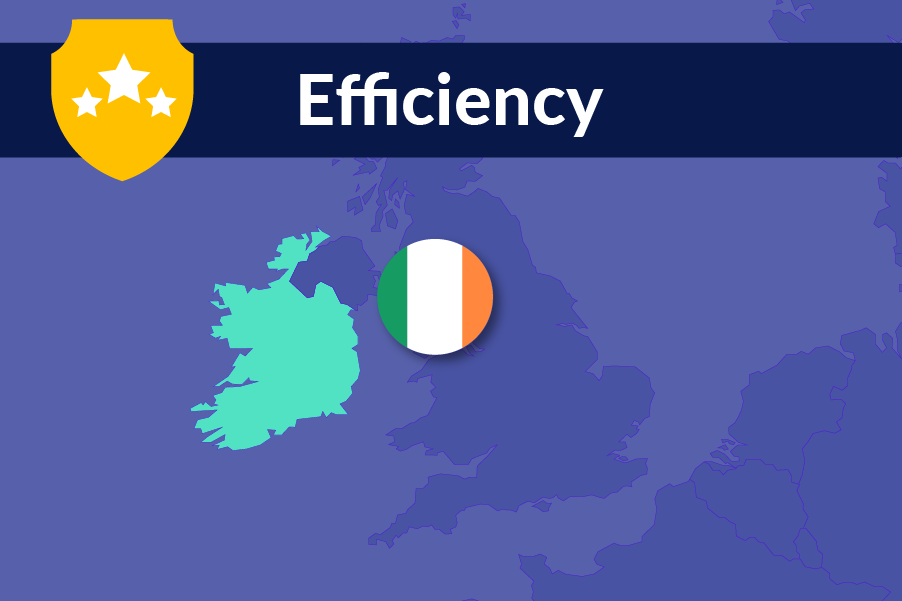
Ireland has been a top performer on PISA for the past decade and is a leader in literacy. It is also notable for the efficiency of its system, spending less per student with better results compared to other nations.
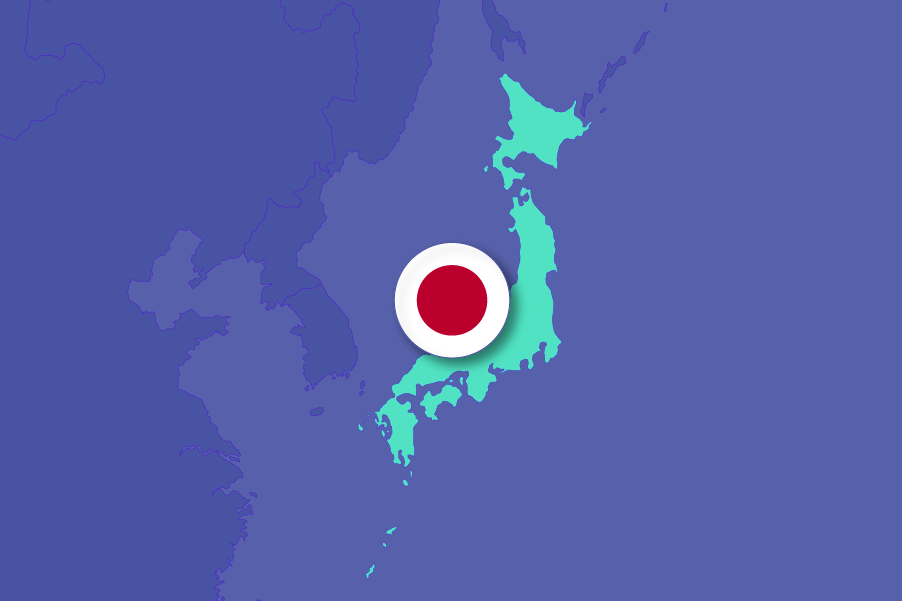
Japan has consistently ranked among the top performers on PISA since 2000, particularly in mathematics. Its scores have been highly equitable, likely because Japan has long held education for all students in high regard.
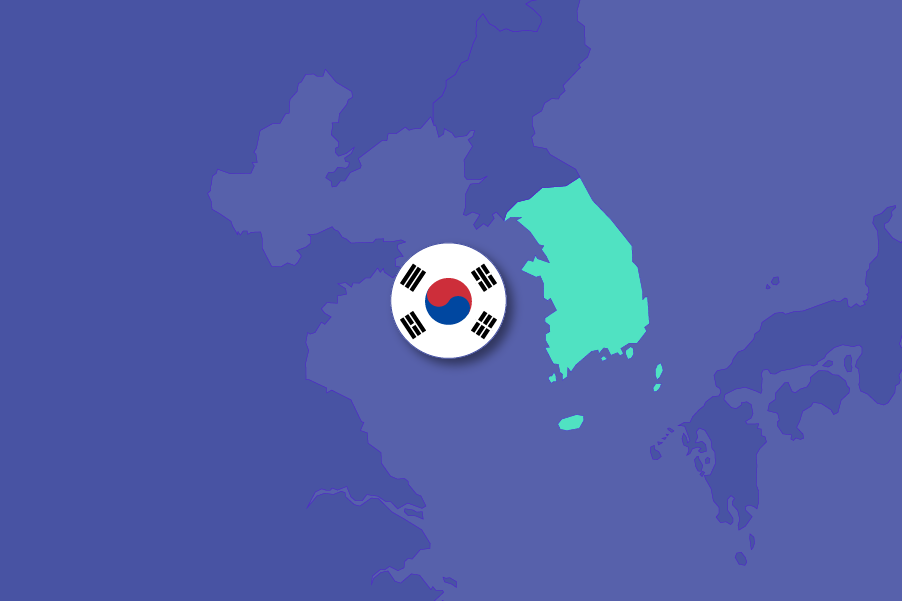
Korea has been a top-performer on every PISA test since 2000. The country’s academic achievement is remarkable for a country that essentially built a brand-new education system in the second half of the 20th century.
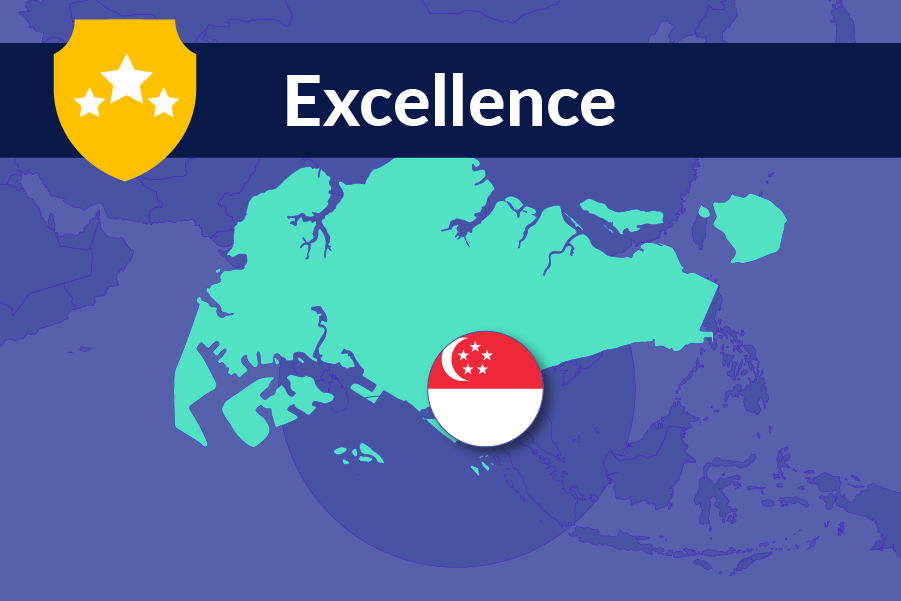
Singapore consistently ranks at the top of the PISA charts and was the top performer in all three subjects in 2022. Since becoming independent in 1965, it has built an education system that is enviable across the globe.
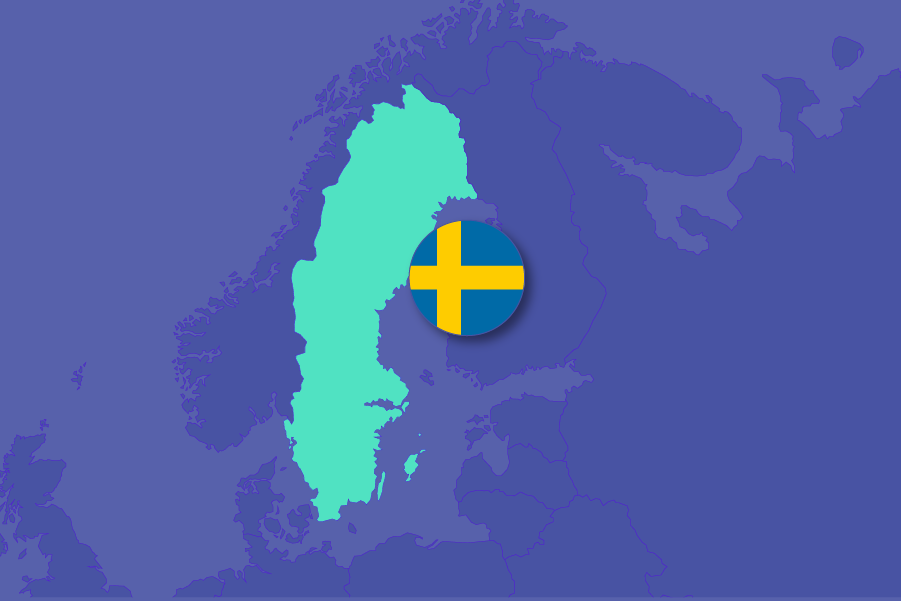
Sweden was a top performer on PISA in 2000; its scores sharply declined then improved, now performing well above the OECD average in all subjects. Its education system is marked by a commitment to egalitarian values.