

Project-Based Learning that Connects
When curiosity leads the way
the past comes alive
Our middle school social studies courses bring the human story to life through meaningful investigation, creative expression, and real-world connections. Students dig into compelling questions about how people, places, and ideas have shaped our world, and how those forces continue to influence their lives today. By examining multiple perspectives and engaging in authentic tasks, students develop critical thinking, collaboration, and communication skills that matter.
Each course stands on its own and can be taken in any order, giving schools the flexibility to design the sequence that fits their needs while ensuring every student has the chance to engage with meaningful questions, explore powerful ideas, and grow as thoughtful, informed citizens.
Jump to a course:


Ancient Civilizations
Students go on an immersive, project-based journey from prehistory to 450 CE. Each unit is anchored in real-world questions that invite students to think like historians, city planners, archaeologists, artists, and writers as they explore how early civilizations shaped the world we live in today. Through hands-on investigations and analysis of primary and secondary sources, students build essential skills in historical thinking, communication, and civic engagement. And every unit culminates in a public-facing exhibition or portfolio, showcasing student insights, creativity, and real-world problem-solving.
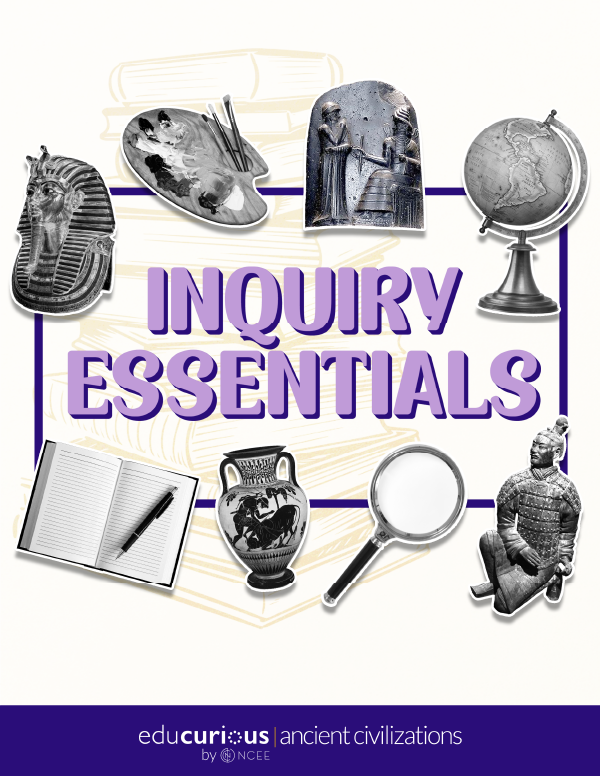
Inquiry Essentials
What can ancient civilizations teach us about the human experience?
As students study early humans, they explore what it means to be human, examine the elements of civilization, and practice asking meaningful inquiry questions. They analyze sources, interpret artifacts, and learn how historians use evidence to reconstruct the past. Along the way, they strengthen vocabulary, contextualization, and communication skills—including making evidence-based claims. These core inquiry tools set the foundation for the rest of the course.
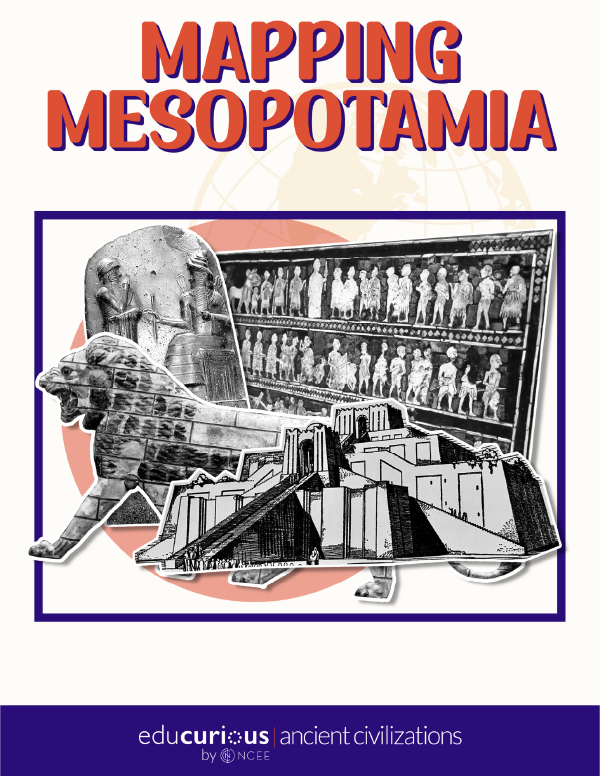
Mapping Mesopotamia
What does the geography of Mesopotamia reveal about the development of civilizations?
Students explore how environment and innovation shaped early civilization in the Fertile Crescent. Through labs, simulations, artifact study, and mapping, they explore settlement patterns, environmental challenges, and the structure of ancient cities. Students synthesize their learning by creating interactive map exhibits that illustrate Mesopotamia’s lasting influence.
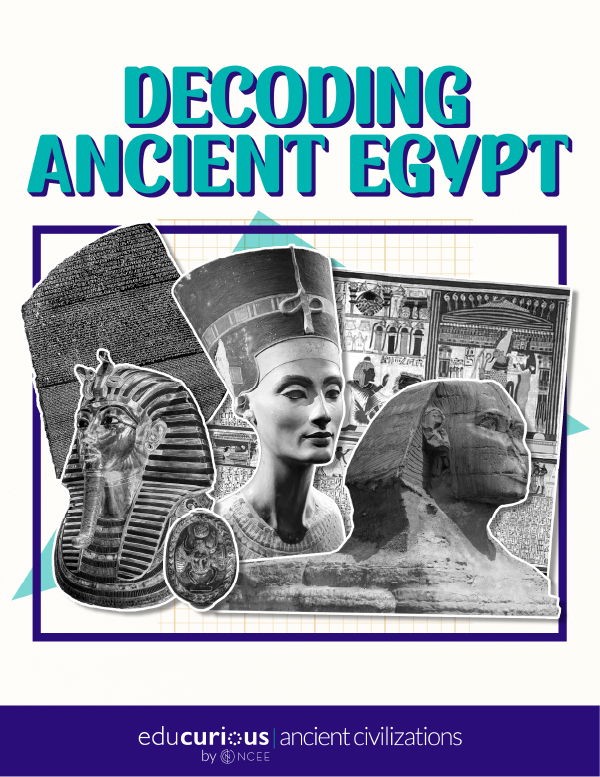
Decoding Ancient Egypt
How have archaeologists helped us uncover and interpret the history of ancient Egypt?
Students turn into archaeologists as they analyze artifacts, decode hieroglyphics, and investigate how Egypt’s culture, leadership, and beliefs shaped daily life. They build core inquiry skills and design their own archaeological sites while considering how archaeology helps us understand the past. The unit ends with debates on cultural heritage and ethics, connecting ancient history to modern questions.
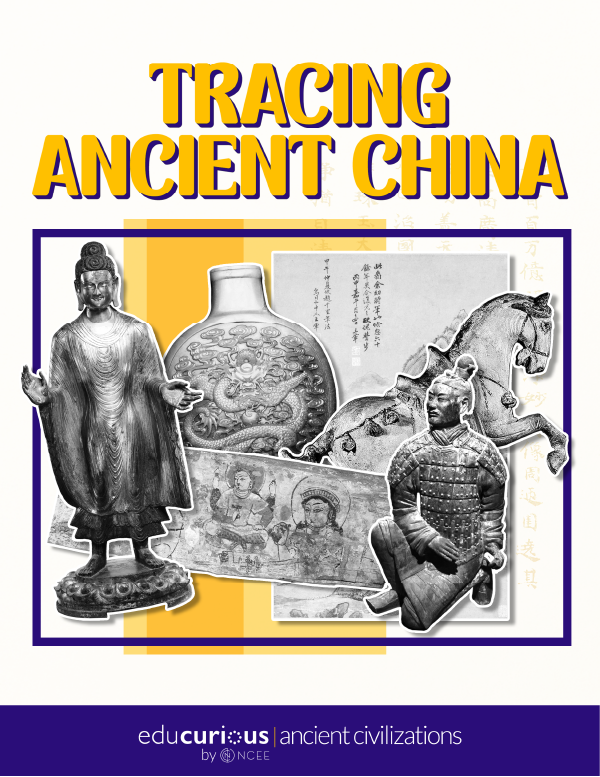
Tracing Ancient China
How have art historians used artifacts to learn about ancient China’s culture and history?
Tracing Ancient China invites students to investigate ancient Chinese culture through art, artifacts, and inquiry. They analyze works like Gu Kaizhi’s scroll and the Terracotta Army, explore the Huang He Valley, and connect material culture to everyday life. Students then follow the Silk Road to examine trade, the value of silk, and the spread of Buddhism. For the final project, they research an artifact and create symbolic panel art that illustrates ancient China’s enduring legacy.
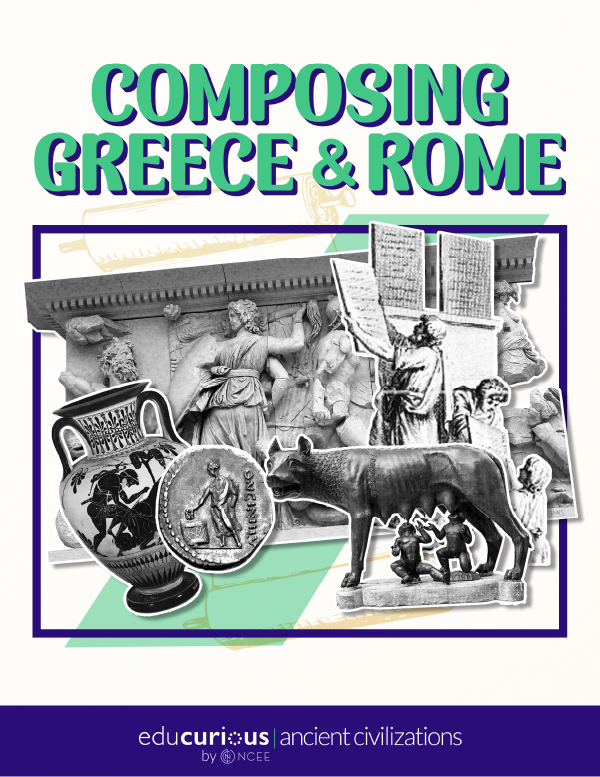
Composing Greece and Rome
How was writing used in ancient Greece and Rome to communicate views and values about citizenship and governance?
Students investigate Greece and Rome to see how ancient ideas shaped government, leadership, and civic life. They analyze texts like Plato’s Allegory of the Cave, explore public spaces, myths, and political systems, and study Roman innovations like the Acta Diurna to understand how information shaped citizenship.
The unit concludes with the Legacy Scroll, where students present an ancient value and argue for its lasting importance in a modern context.
Medieval and Modern Eras
Students take on the role of anthropologists as they explore civilizations from Mesoamerica to the Renaissance. Through hands-on inquiry and analysis of artifacts, texts, and primary sources, they examine how knowledge, culture, and innovation shaped societies across time.
The creative roles such as researcher, archivist, storyteller, and designer connect them to real careers as they produce Maya codices, medieval monologues, mosaic tiles, Renaissance photo essays, and more. Throughout the course, they connect themes of governance, culture, environment, and innovation to understand how the past informs the world today, and the choices we face for the future.
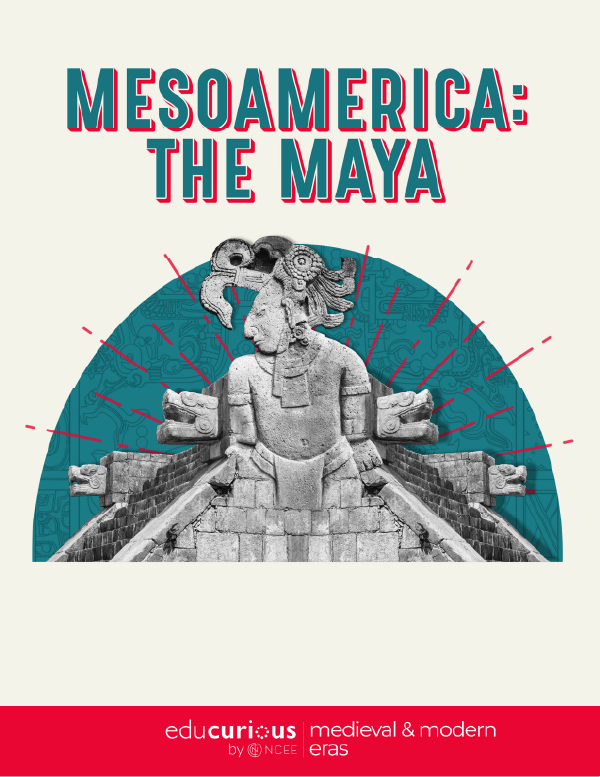
Mesoamerica: The Maya
How do artifacts help anthropologists understand the belief systems that shaped ancient Maya civilization?
Students investigate the ancient Maya by analyzing artifacts, art, and legends to understand what this civilization valued and how it interpreted the world. They explore the rise and fall of Maya cities and the culture’s lasting legacy, building skills in observation and evidence-based storytelling. The unit ends with a codex comic that highlights key Maya beliefs and themes.
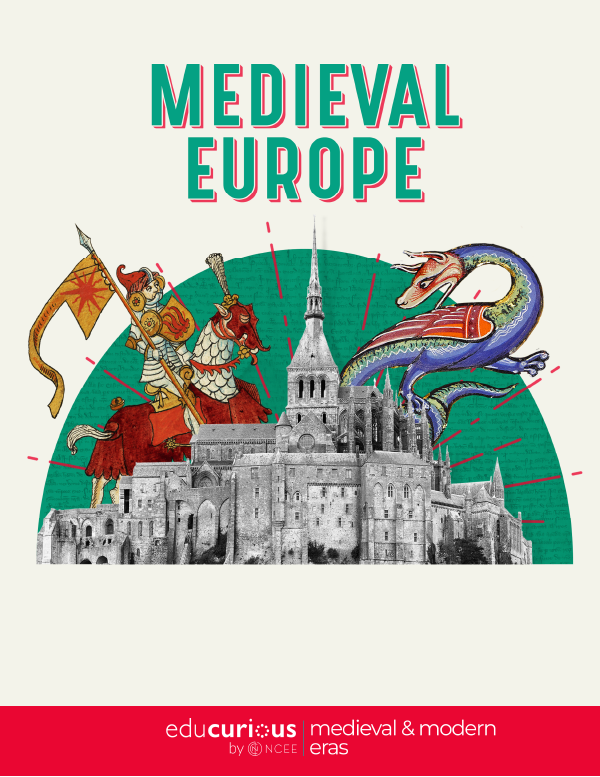
Medieval Europe
How can multiple perspectives help us expand the fairy-tale view of life in medieval Europe?
Students investigate Medieval Europe by analyzing how power, religion, and daily life shifted from the fall of Rome through major events like the Crusades, the Black Death, and the Magna Carta. Through historical inquiry and source analysis, they uncover how these changes shaped the world. The unit concludes with a performance monologue in which students embody a medieval perspective and create a powerful, evidence-based narrative.
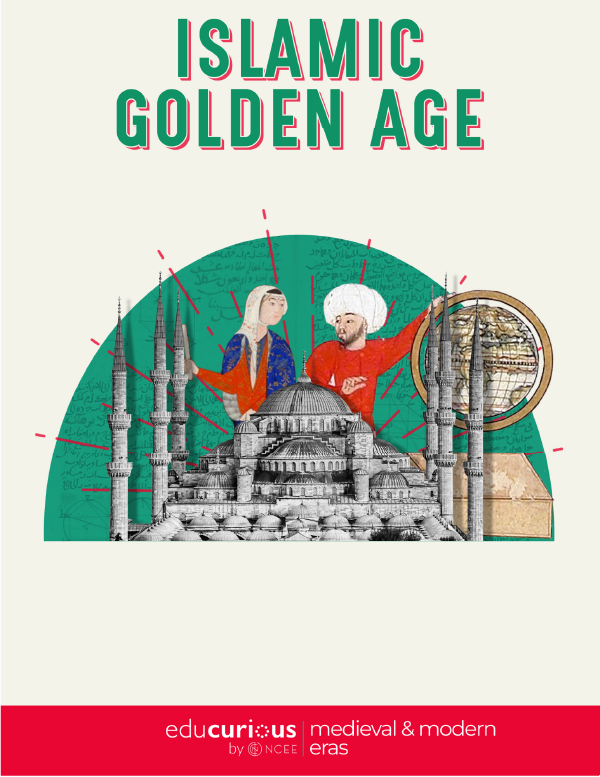
Islamic Golden Age
How would anthropologists document the significance of knowledge created and preserved during the Islamic Golden Age?
Students explore the Islamic Golden Age by analyzing maps, sources, and texts to understand the rise of powerful empires, the House of Wisdom, and enduring contributions to science, art, and culture. They develop research and debate skills while connecting past innovations to the present. The unit concludes with a collaborative mosaic tile project celebrating the era’s lasting legacy.
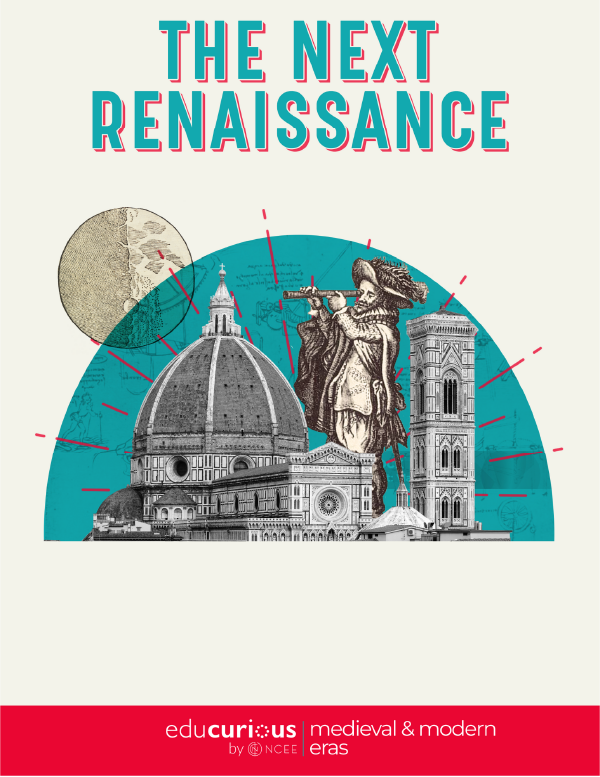
The Next Renaissance
How have ideas and innovations from the Renaissance transformed people’s lives around the world?
Students explore the European Renaissance and its lasting impact on the modern world. They investigate the rise of humanism, why Italy became a center of innovation, and how breakthroughs in art, science, and literature reshaped Europe. They research a field of interest, create a mini photo essay, and refine their ideas through debate, peer feedback, and reflection culminating in a compelling photo essay that answers the question: What will spark the next Renaissance?
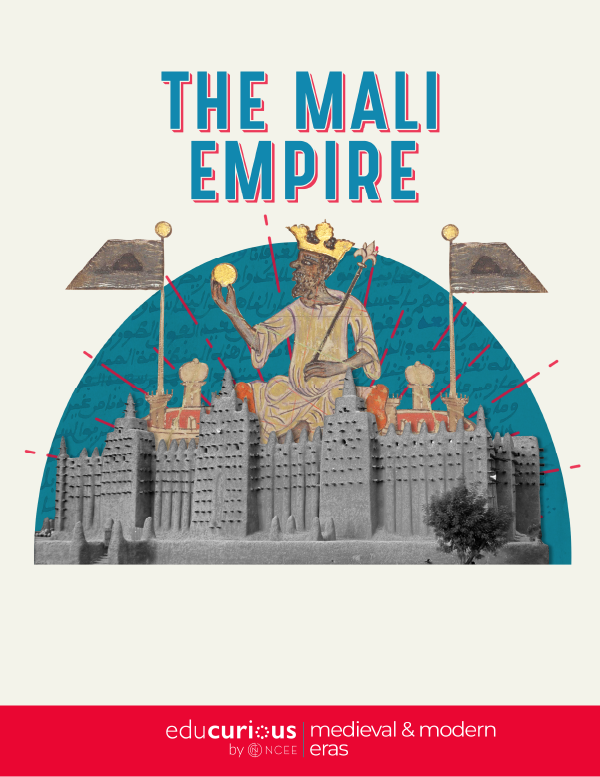
The Mali Empire
What can anthropologists learn about the preservation of knowledge by studying the Mali Empire?
Students explore the Mali Empire by comparing West African empires, studying leaders like Sundiata and Mansa Musa, and analyzing how geography, culture, and global networks shaped Mali’s influence. They investigate Timbuktu’s manuscript tradition and consider how societies preserve knowledge. The unit ends with students crafting their own manuscript pages and archivist statements, reflecting on why preserving history matters.
Early U.S. History
Students are guided through the nation’s story from the colonial era to Reconstruction. Students explore colonial life, the Revolution, the Constitution, westward expansion, and the Civil War through project-based learning, source analysis, and civic inquiry.
Across the course, they investigate multiple perspectives, examine causes and consequences, and connect past events to present-day issues through creative, authentic projects.
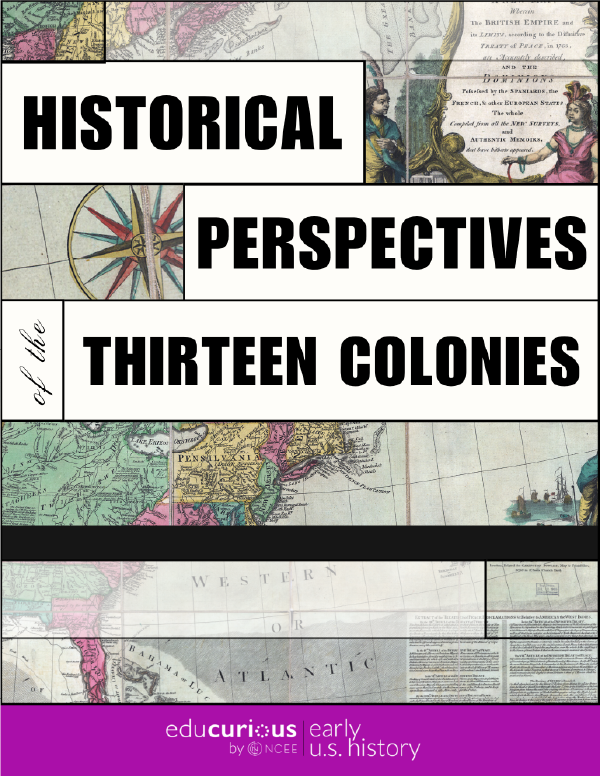
Historical Perspectives of the 13 Colonies
How do historians uncover, question, and interpret the early colonial history of the United States?
Students explore early colonial America by analyzing exploration, settlement, Indigenous perspectives, and the geographic and economic forces that shaped regional life. They examine power, labor systems, and social hierarchies to understand how colonial society functioned. To close the unit, students use evidence and patterns from the colonial era to predict what might unfold over the next century and create a collective timeline of possible futures.
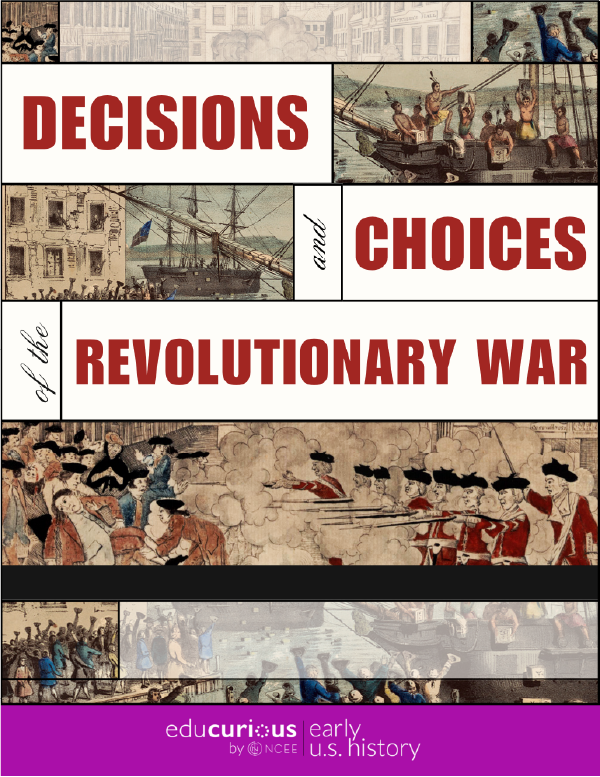
Decisions and Choices of the Revolutionary War
What perspectives and decisions shaped the American Revolution?
Students explore the American Revolution by analyzing the decisions that drove protest, loyalty, and conflict. They investigate key events, leadership choices, and turning points, while examining how media shaped public opinion. They also study the experiences of diverse groups to understand the Revolution’s uneven impact. The unit concludes with students crafting persuasive pamphlets that argue for essential rights in the style of Revolutionary-era communicators.
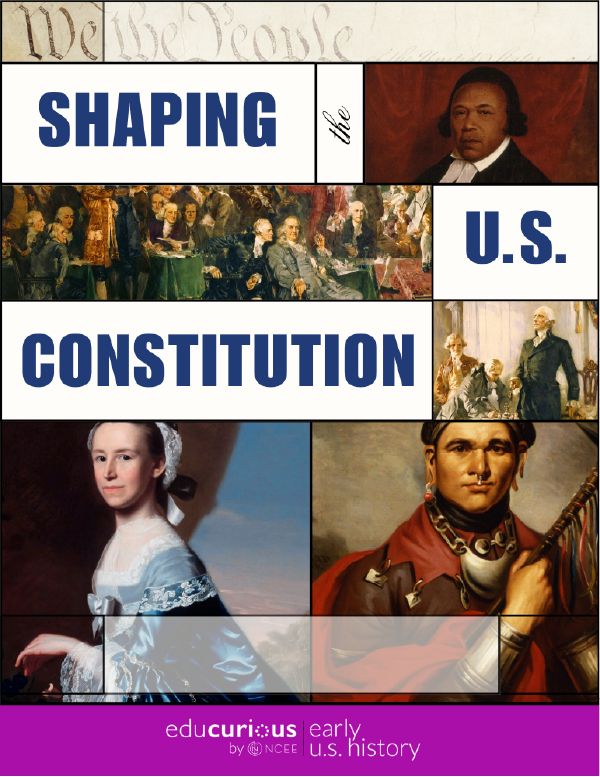
Shaping the U.S. Constitution
What events and ideas shaped the structure of the U.S. Constitution and the foundation of the nation?
Students investigate how the new nation worked to build a stable government by studying the Articles of Confederation, Shays’ Rebellion, and the constitutional structure outlined in the Preamble and Articles I–III. They explore the Bill of Rights, early political debates, and key Supreme Court cases to see how constitutional principles have evolved. By analyzing texts, evaluating arguments, and applying constitutional ideas to current issues, students build strong civic literacy. The unit culminates with a persuasive letter to an elected official that uses historical reasoning and evidence to address a modern constitutional question.
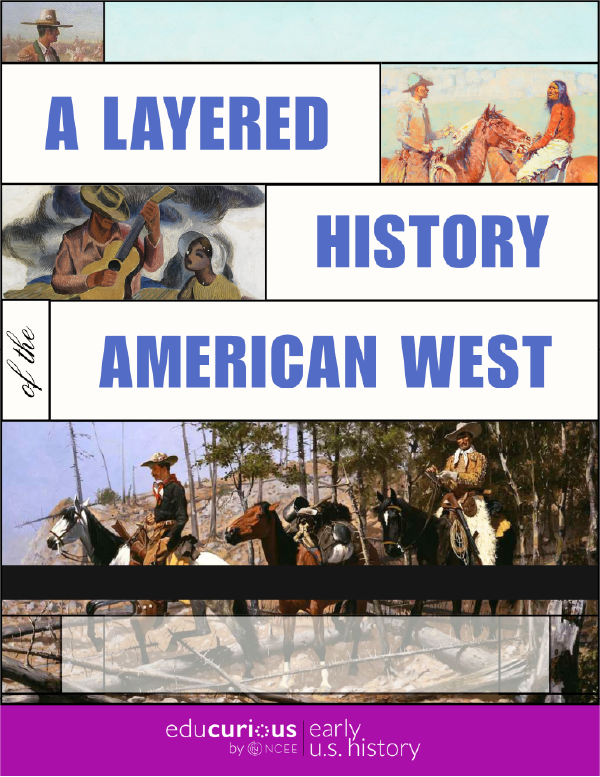
A Layered History of the American West
How can reading critically help us uncover truths about the American West?
Students investigate westward migration by analyzing maps, sources, and key events like the Lewis and Clark Expedition, the Oregon Trail, and the Mexican-American War. They examine perspectives from Indigenous nations, settlers, immigrants, Black pioneers, railroad workers, and vaqueros to understand both the opportunities and consequences of expansion. The unit concludes with an illustrated graphic story that captures a historically grounded moment in the history of the American West.
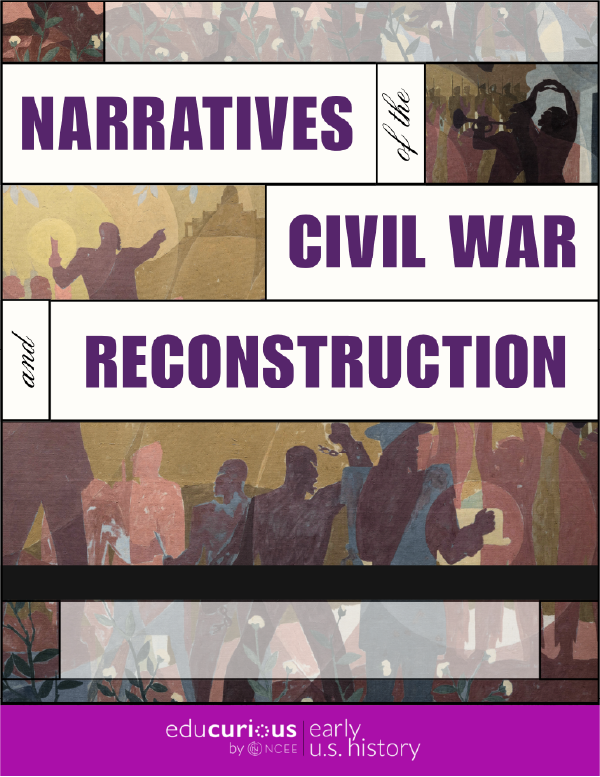
Narratives of the Civil War and Reconstruction
How has the story of the Civil War and Reconstruction evolved over time?
Students explore the Civil War and Reconstruction by examining the causes of sectional conflict, key wartime turning points, and efforts to rebuild the nation afterward. They analyze primary sources, evaluate constitutional changes, and consider how these events have been remembered over time. The unit concludes with a memorial project that invites students to connect their historical understanding to civic life today.
