
High Performers and Rapid Risers
Explore rapidly improving education systems to gain insight into how excellence can be intentionally built.
NCEE identifies rapid risers as jurisdictions whose educational performance is surging. These education systems demonstrate:
Excellence can be engineered: Previously low-performing jurisdictions can quickly improve demonstrating that thoughtful system change can work.
Insight into the “how”: Analyzing the functioning of excellent education systems does not tell us how they came to be. Studying rapid risers helps surface common patterns of development and suggests potential pathways forward.
What is a rapid riser?
Rapid risers are jurisdictions which have made sustained and broad academic gains in the decade or so before the pandemic and which held on to at least some of those gains through the pandemic.
There is no minimum level of performance required to be considered. Jurisdictions may still have a long path ahead before they achieve levels of top performing countries.
Selection criteria
To be selected as a rapid riser, a jurisdiction should:
- Have participated in at least three rounds of international assessments up to and including 2019 and placed among the top ten in rate of improvement in all three academic subjects. In cases where a jurisdiction participates in two or three of the assessments, it can qualify through a “mix-and-match” of assessments, so long as it has evidence of rapid improvement in all three subjects.
- Not have experienced a decline in performance during and after the pandemic that erased their prior gains in two of three subjects.
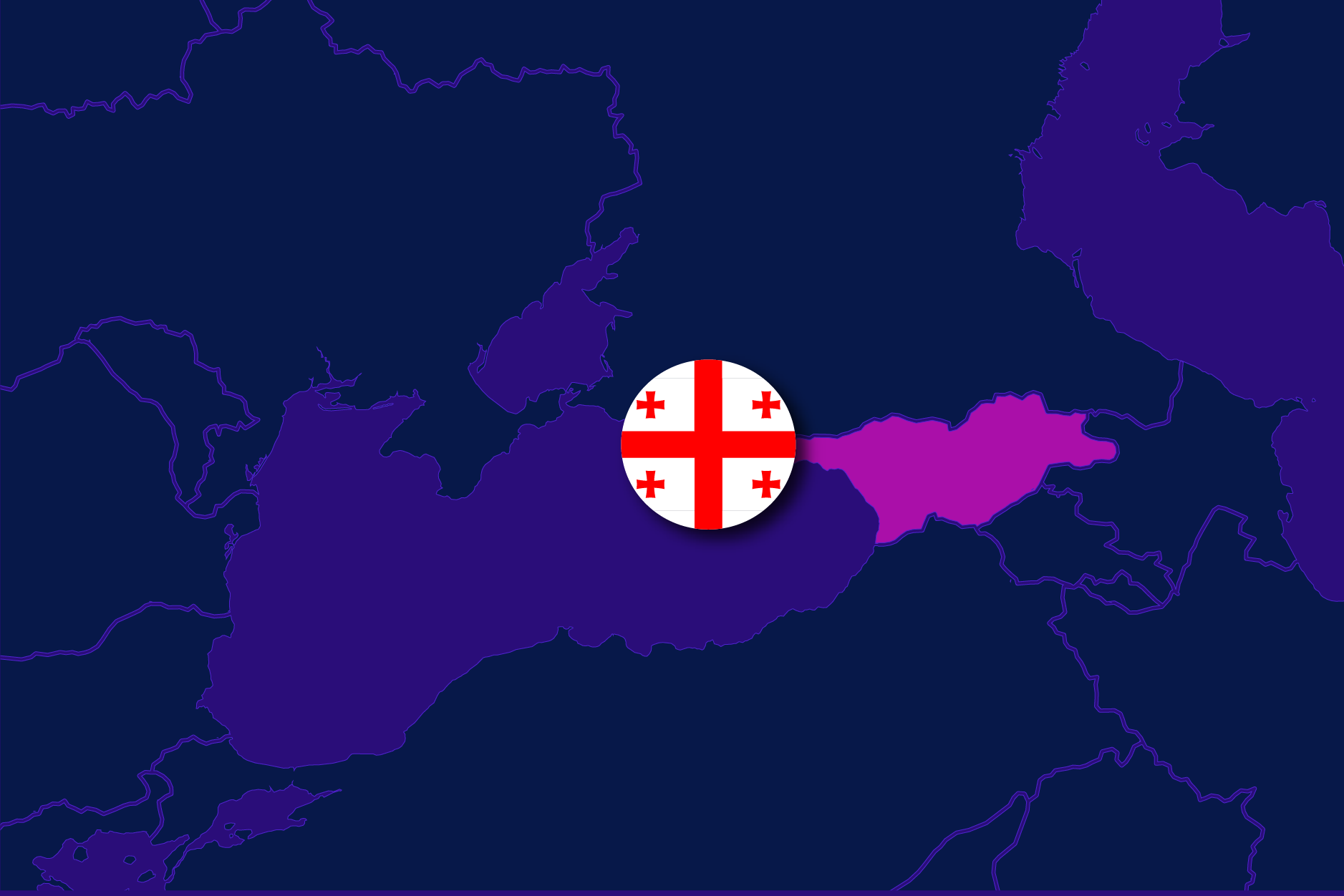
Georgia
Georgia has made steady gains since 1991, improving access and quality while outperforming expectations given its resources. Its system is shaped by a strong policy vision and relatively low inequality.

Macao
Macao (China) remains one of the world’s most equitable and high-performing systems, reflecting sustained efforts to expand access, strengthen teaching, and build coherence across its schools. Its trajectory shows how even top-performing systems can continue to improve over time.
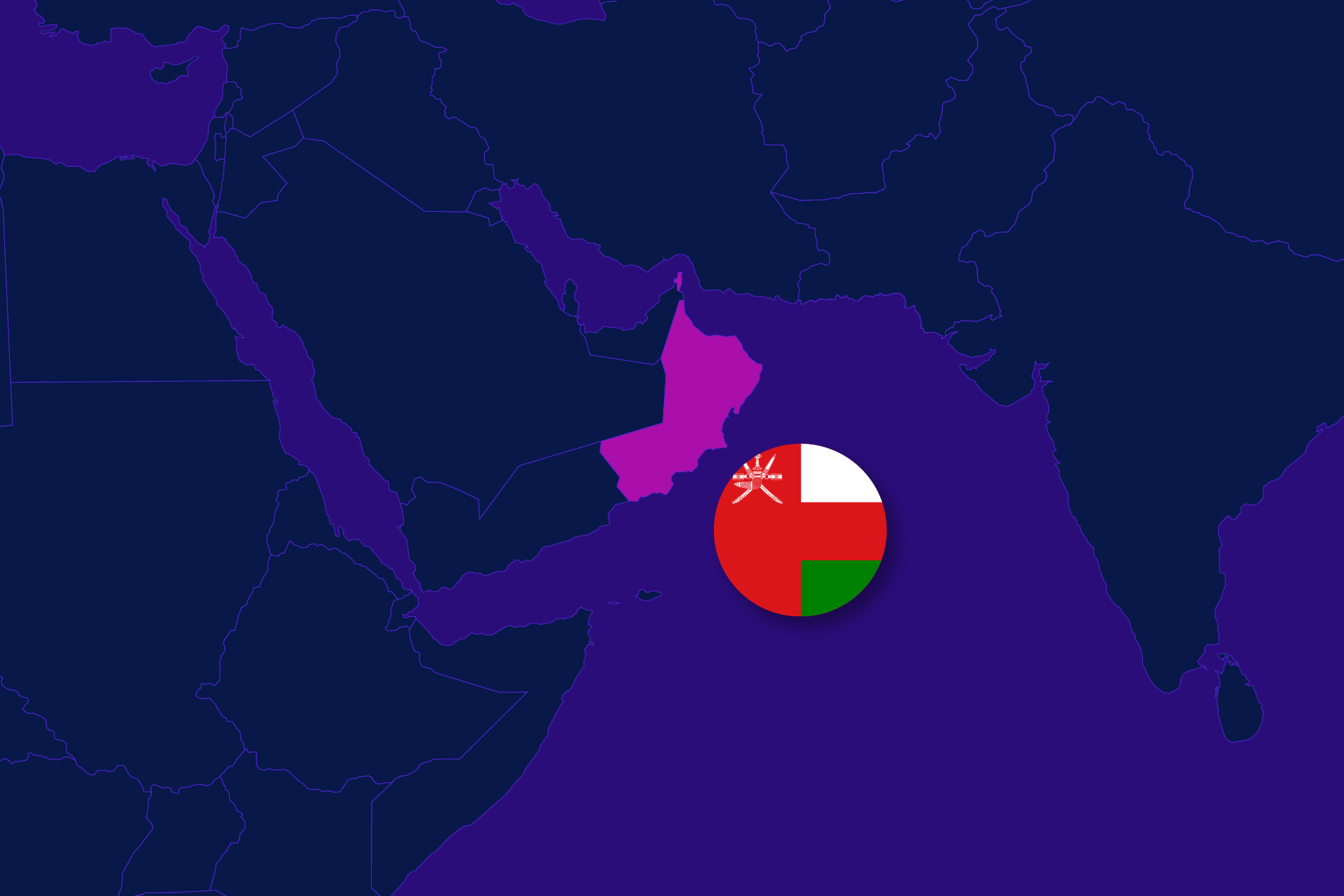
Oman
Oman has rapidly expanded from minimal provision to near-universal access, building a largely self-sustaining education system in just a few decades. Its progress reflects long-term investment in human capital, with steady improvements in performance despite ongoing challenges.
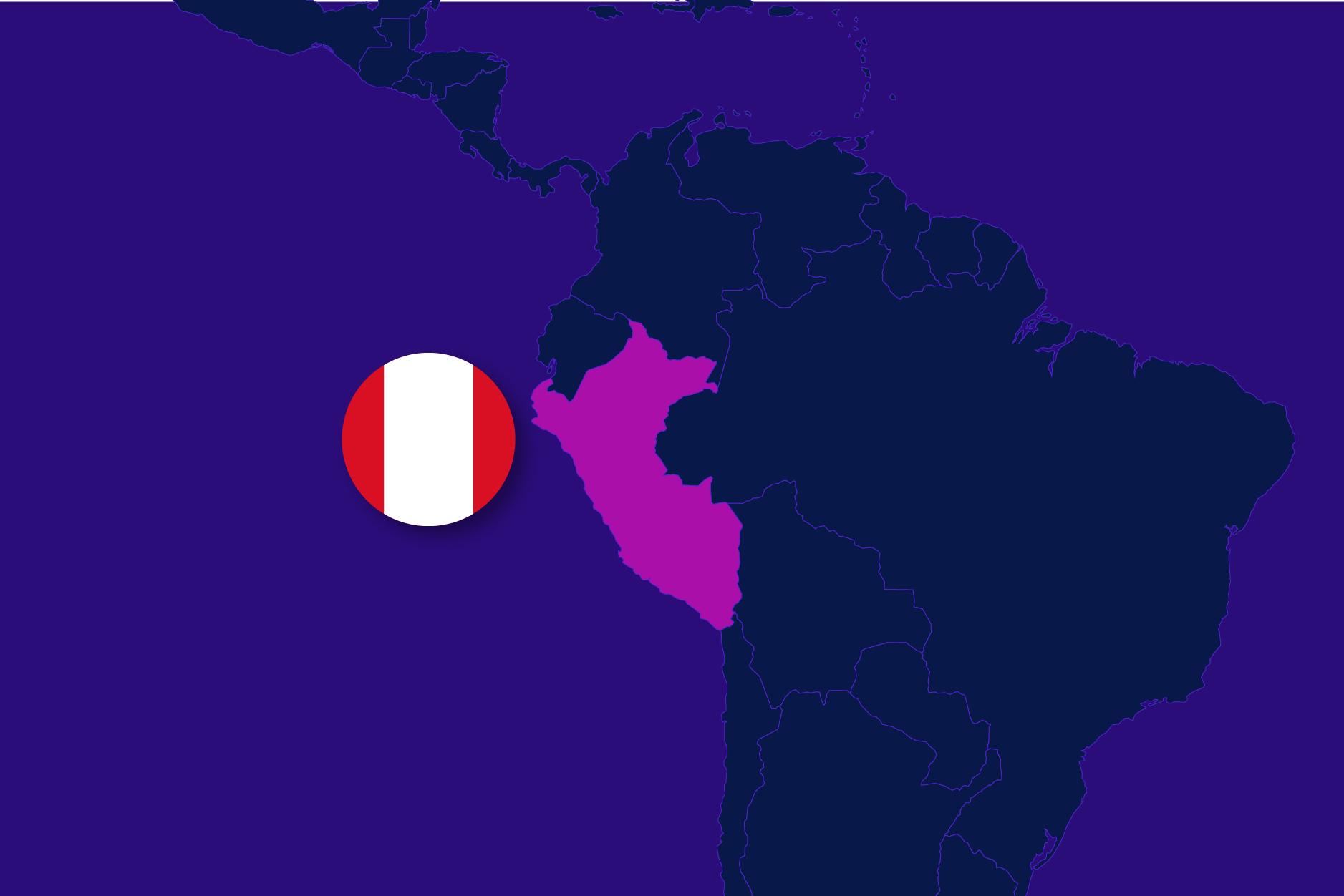
Peru
Peru has made significant gains in learning and enrollment over the past two decades, driven by a focus on higher standards, stronger teaching, and greater inclusion. Despite ongoing challenges, its steady progress shows how sustained reform can raise outcomes system-wide.
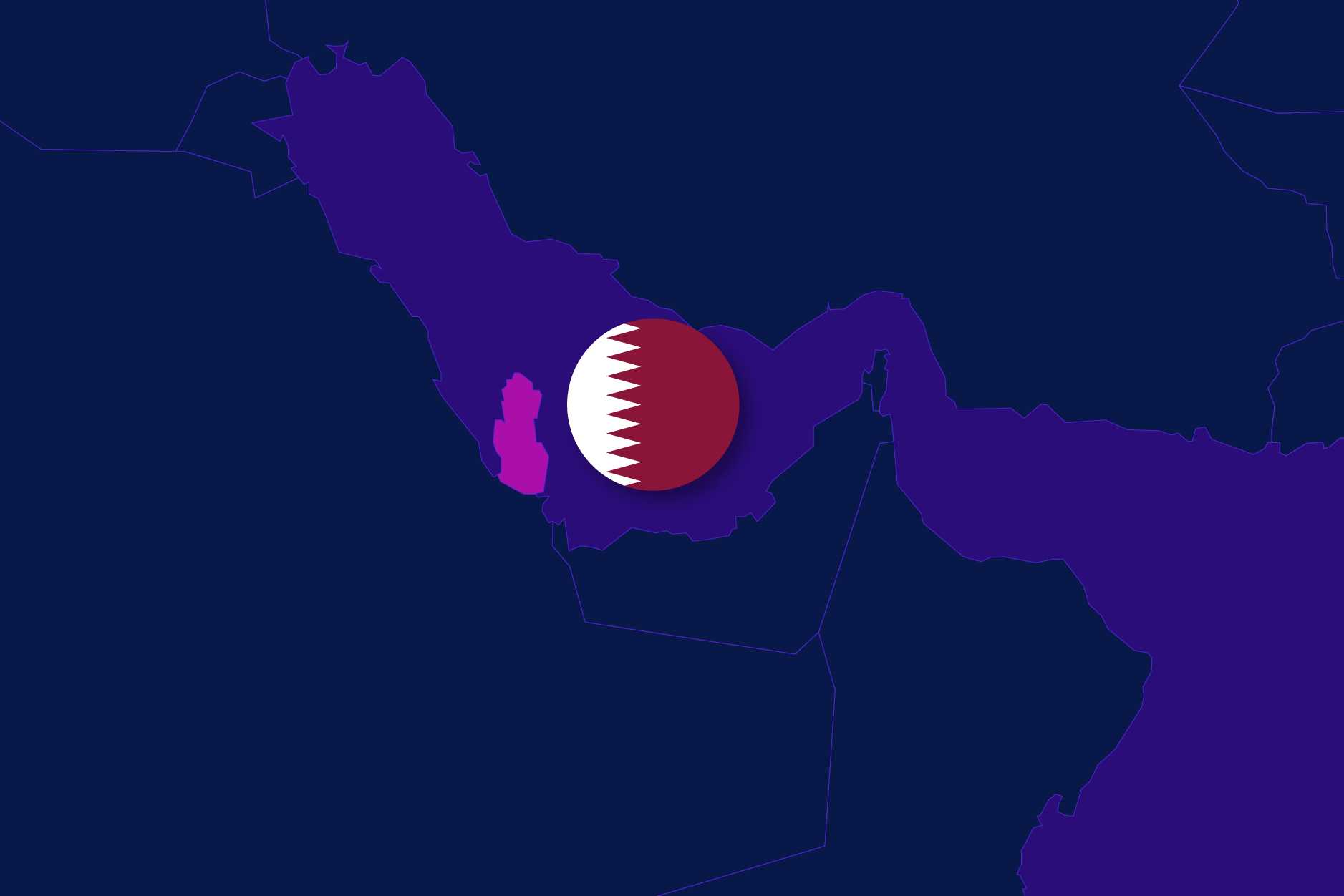
Qatar
Qatar has rapidly transformed its education system over the past two decades, becoming one of the top performers in the Gulf. Its model balances global standards with national priorities, though maintaining equity across a diverse system remains a challenge.