
• Denmark has consistently outperformed the OECD average since the first PISA in 2000. It was the first country to have a comprehensive mass education, and its commitment to equity remains a hallmark of its system.

  • In this webinar, hosted by NCEE in collaboration with OECD, education experts discuss the 2022 PISA Mathematics results and their implications for U.S. education.

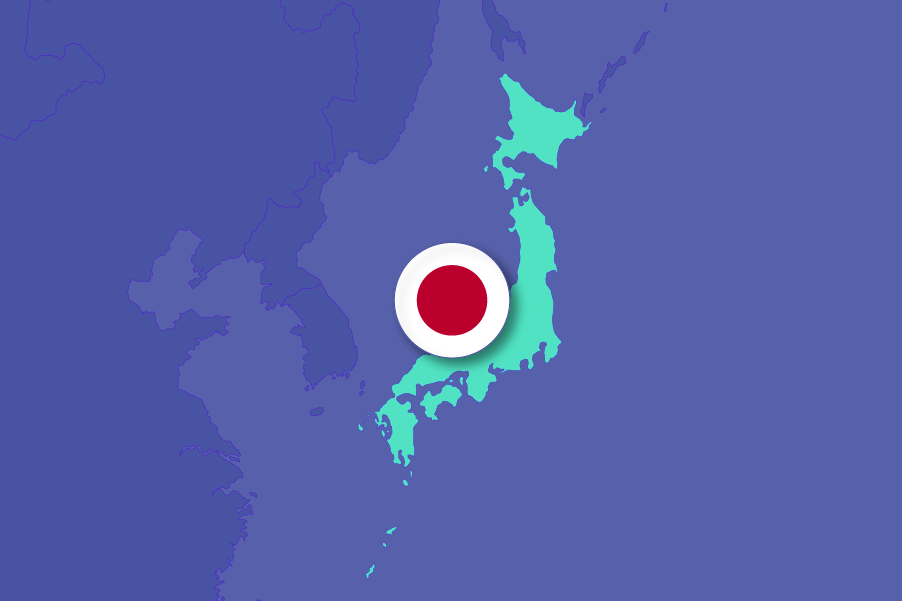
  • Japan has consistently ranked among the top performers on PISA since 2000, particularly in mathematics. Its scores have been highly equitable, likely because Japan has long held education for all students in high regard.

  • Estonia emerged as a top performer on PISA 2012 and has remained a European leader since. After gaining independence in 1991, the Estonian economy has grown nearly eightfold, driven partly by its strong education system.

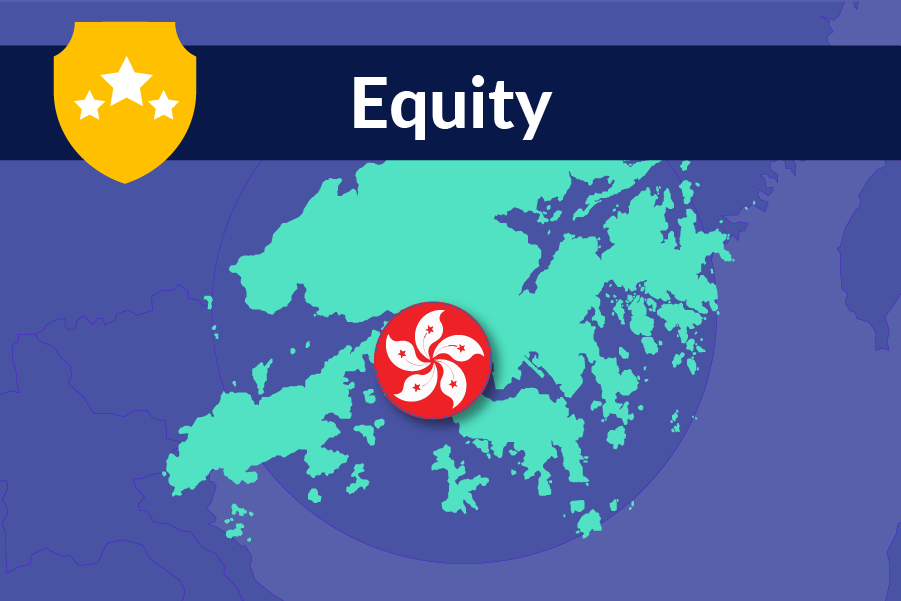
  • Hong Kong has been a world leader on PISA since the first assessment in 2000. Its education system is a hybrid of British and Chinese education traditions and is noteworthy for the equity of its students’ performance.

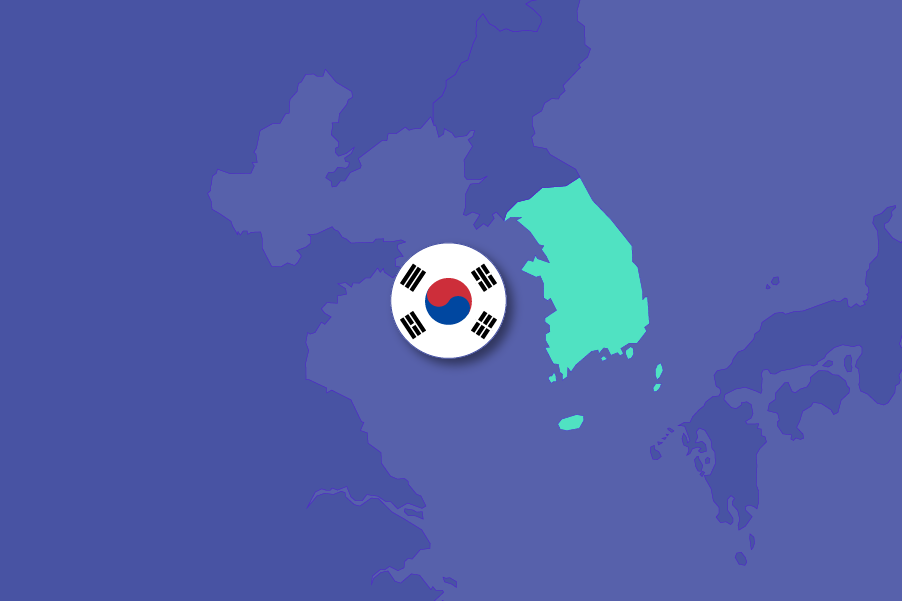
  • Korea has been a top-performer on every PISA test since 2000. The country’s academic achievement is remarkable for a country that essentially built a brand-new education system in the second half of the 20th century.

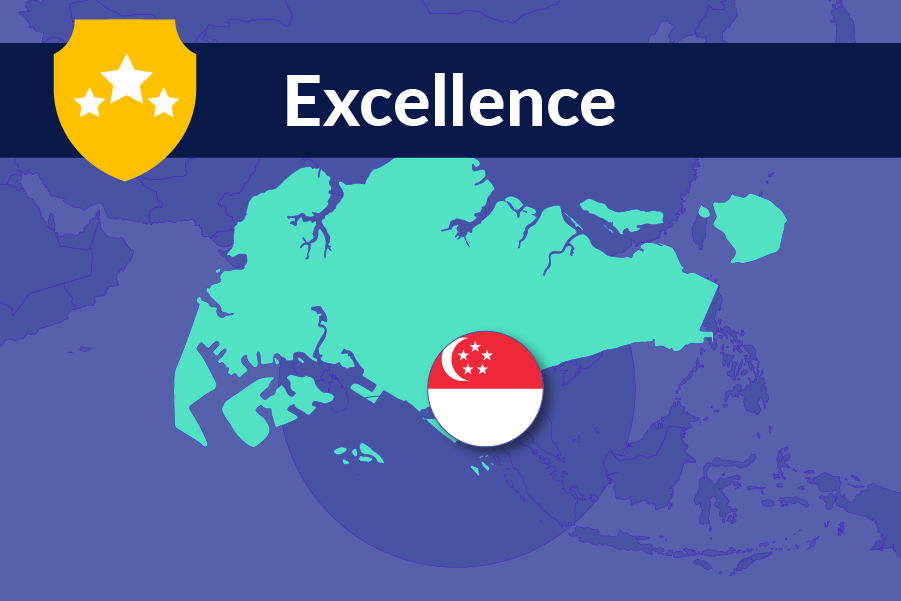
  • Singapore consistently ranks at the top of the PISA charts and was the top performer in all three subjects in 2022. Since becoming independent in 1965, it has built an education system that is enviable across the globe.

  • Canada had one of the strongest performances when PISA was first administered in 2000 and has remained a top performer since. It is notable for the equity of this performance and its decentralized education system.

  • As the summer months come to a close, CIEB spoke to members of our International Advisory Board to find out what issues are front of mind for them in today’s ever-evolving world of work and its impact on education.