

The number of adults with higher education has doubled among OECD countries in two decades. They’re more likely to be employed and earn more than their less-educated peers. The challenge now is finding creative ways to support more students and help them get to the finish line prepared for in-demand jobs and careers.
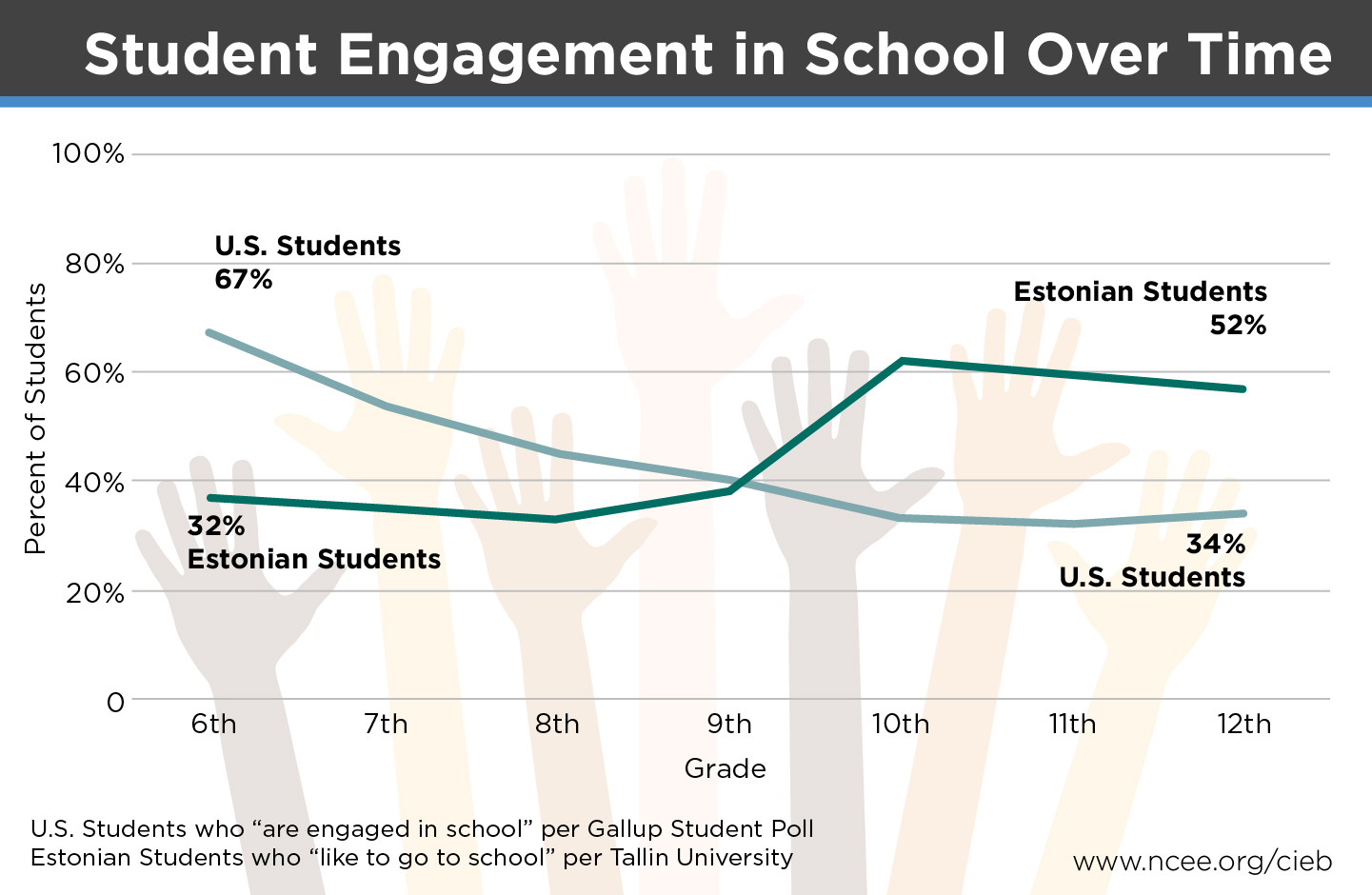
After years of disruption, student motivation in American schools is lower than ever before. What does Estonia, a country whose teens are more enthused for learning, do that U.S. schools can look to?
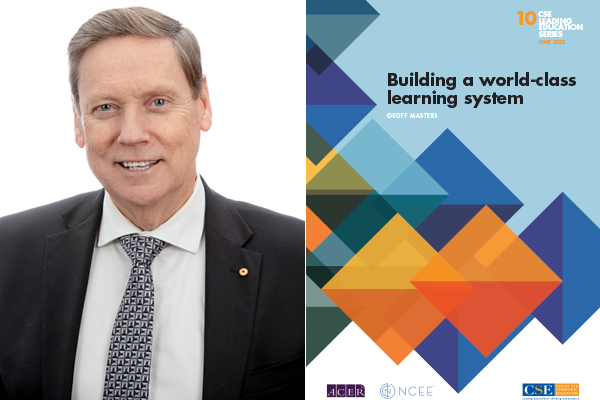
Geoff Masters, CEO of the Australian Council for Educational Research (ACER), writes about how five jurisdictions that have performed unusually well on the OECD’s PISA assessment organize their school systems now and how these jurisdictions are aiming to transform their systems to better meet the changing economic and social context.
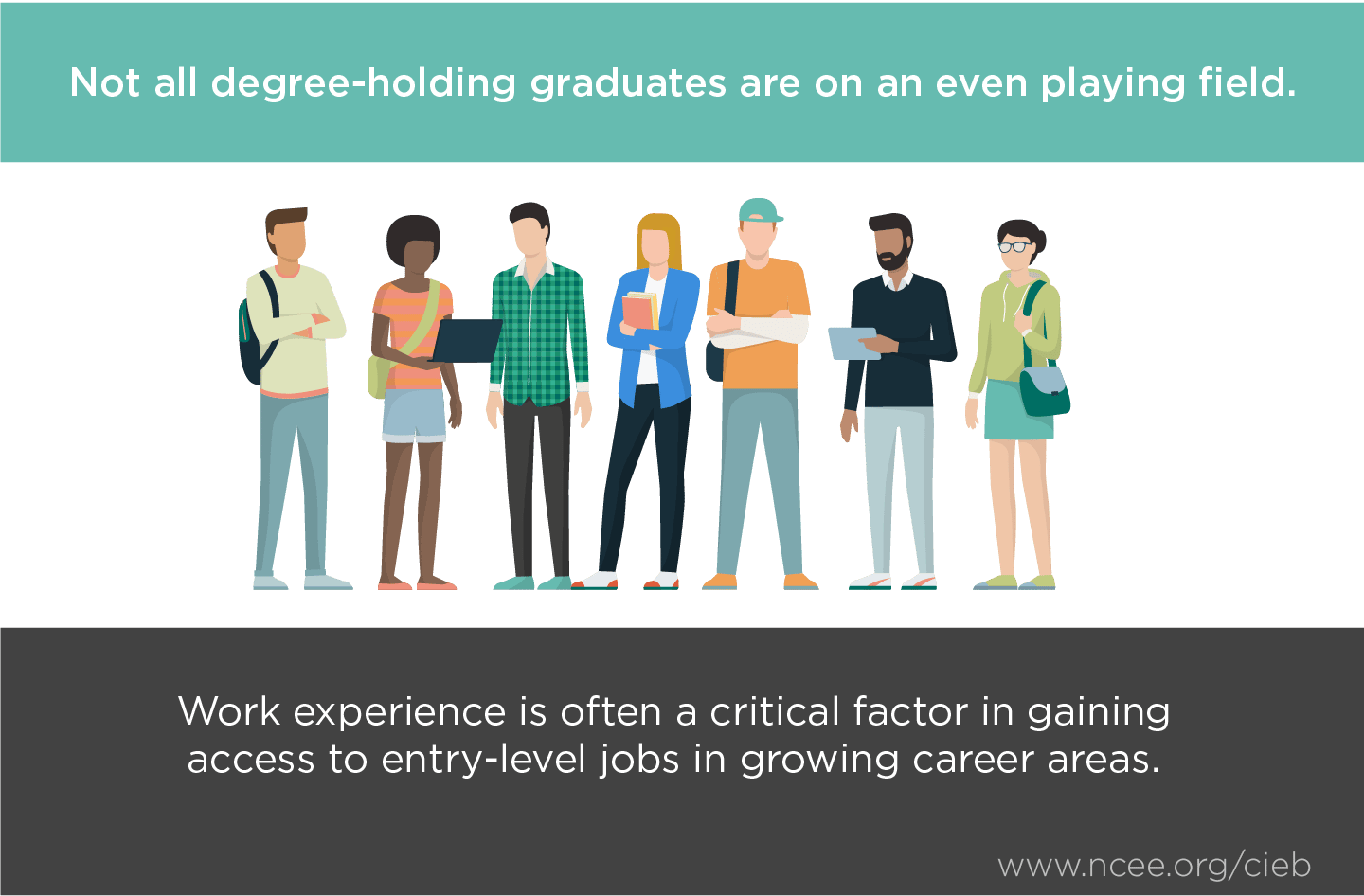
Disparities in work experience during college between socio-economically advantaged and disadvantaged students impacts how long it takes to secure good jobs.
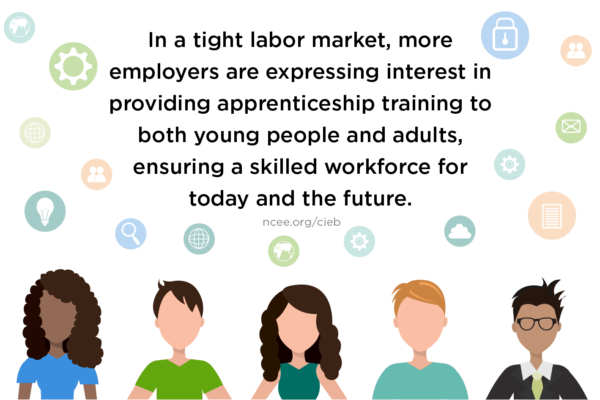
With increased interest in and funding for apprenticeships in the U.S., Switzerland’s world-class apprenticeship model offers lessons for how to build a CTE system that is both appealing to students and valued by industry.

America Achieves CEO Jon Schnur discusses the importance of a good jobs agenda and the role of career pathway systems for preparing children for the next economy on the latest Global Ed Talk with NCEE’s Anthony Mackay.
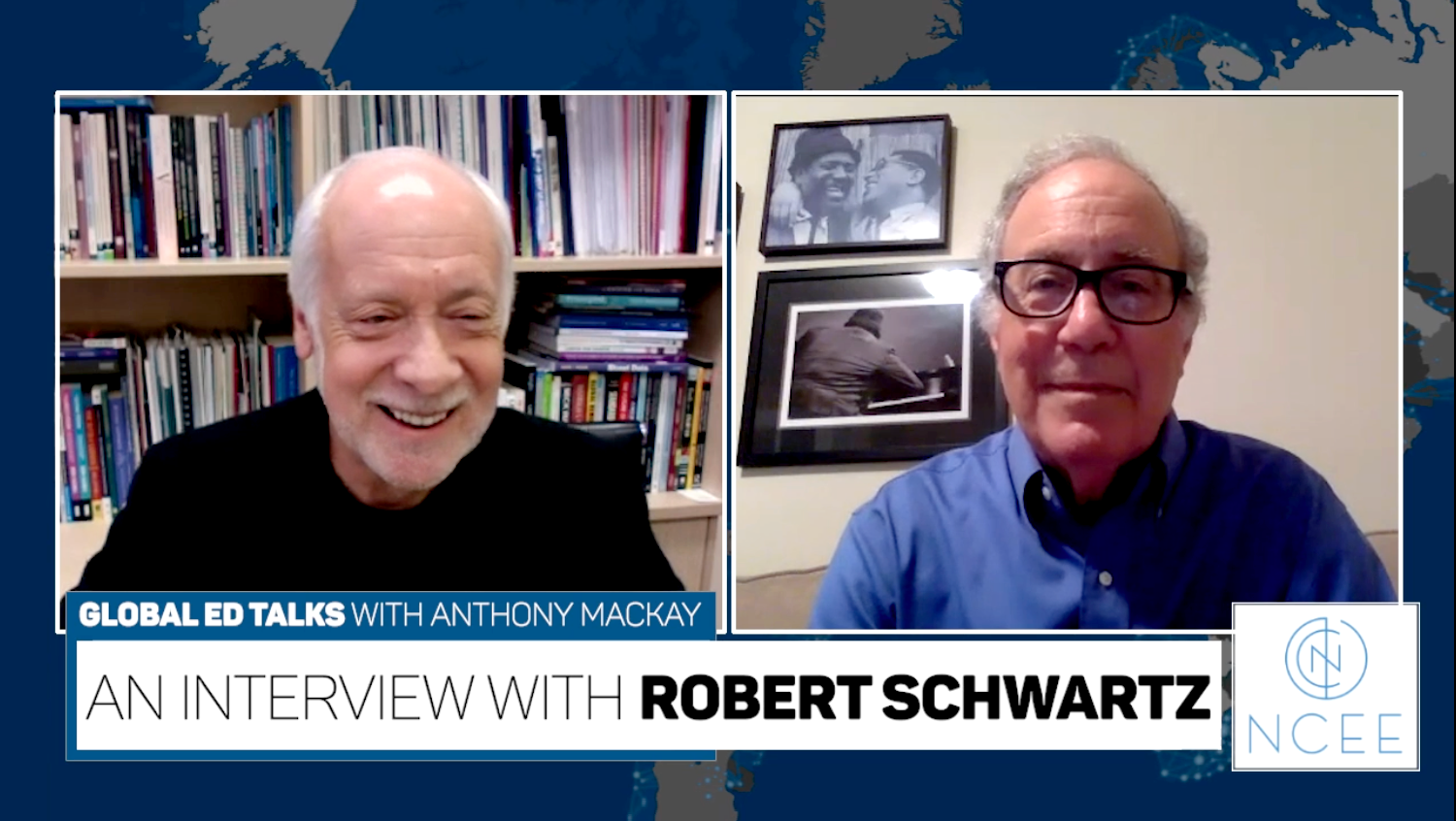
In this Global Ed Talk, NCEE CEO Anthony Mackay speaks with Bob Schwartz, professor at Harvard University and co-founder of the Pathways to Prosperity network, about what America needs to do to update its CTE system to match leading countries around the world.
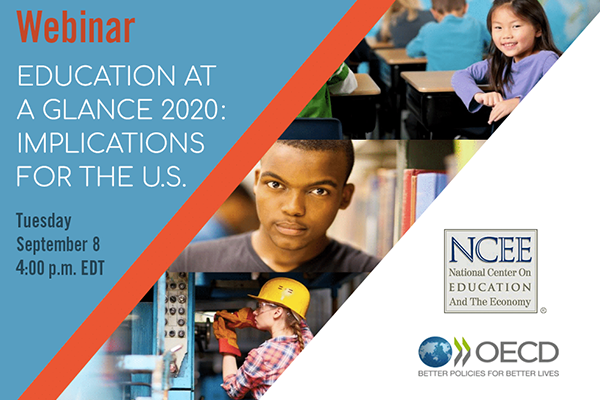
In this webinar from September 8, 2020, the OECD’s Andreas Schleicher and NCEE’s Anthony Mackay took a special in-depth look at implications for U.S. schools and school systems stemming from the 2020 Education at a Glance report.

Join the conversation:

NCEE is a 501(c)(3) organization.
National Center on Education and the Economy | 2445 M St NW, Suite 720 | Washington, DC 20037
NCEE is a 501(c)(3) organization.
National Center on Education and the Economy
2445 M St NW, Suite 720 | Washington, DC 20037
1996-2026 © The National Center on Education and the Economy • Privacy