
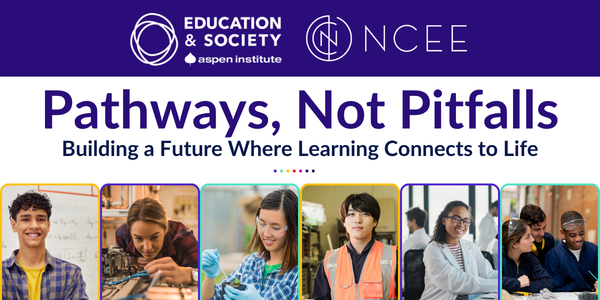
Exploring how education systems can connect rigorous learning with life, work, and future possibilities.
This report explores how career-connected learning can be the bridge that makes academics meaningful, strengthens K-12 connections to economic development, and equips the next generation with the skills to thrive.
Concrete, actionable strategies that are designed to help state leaders transform education systems so that all learners are prepared for long life learning, economic opportunity, and civic engagement.

Five education systems show us what it takes to accelerate achievement, expand access, and narrow gaps.
AI in education is about much more than chatbots and analytical tools; it is about revisiting the purposes of education and designing resilient learning systems that will evolve and work in continually disruptive environments.
Senior leaders in Finland, Singapore, Estonia, and the United States on the policy choices and system design decisions that drive lasting results and stronger outcomes in life beyond school.
From embedding career learning across the curriculum to rethinking pathways beyond traditional CTE, we explore how top-performing systems globally prepare all students for the future, alongside emerging approaches in U.S. states and districts.
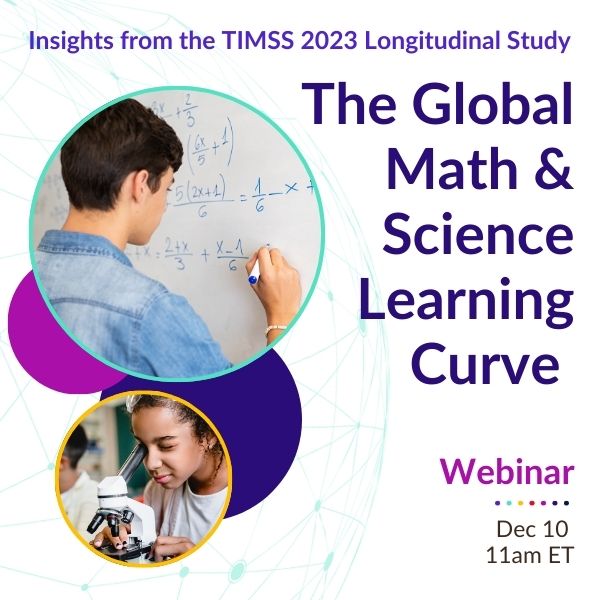
Insights from the 2023 TIMSS Longitudinal Study

This Mississippi school district is partnering with industry to design bold pathways to career readiness for its students.

These in-depth case studies look critically at how Estonia and Finland have built world-class education systems for today, and how each system is positioning itself for the future.
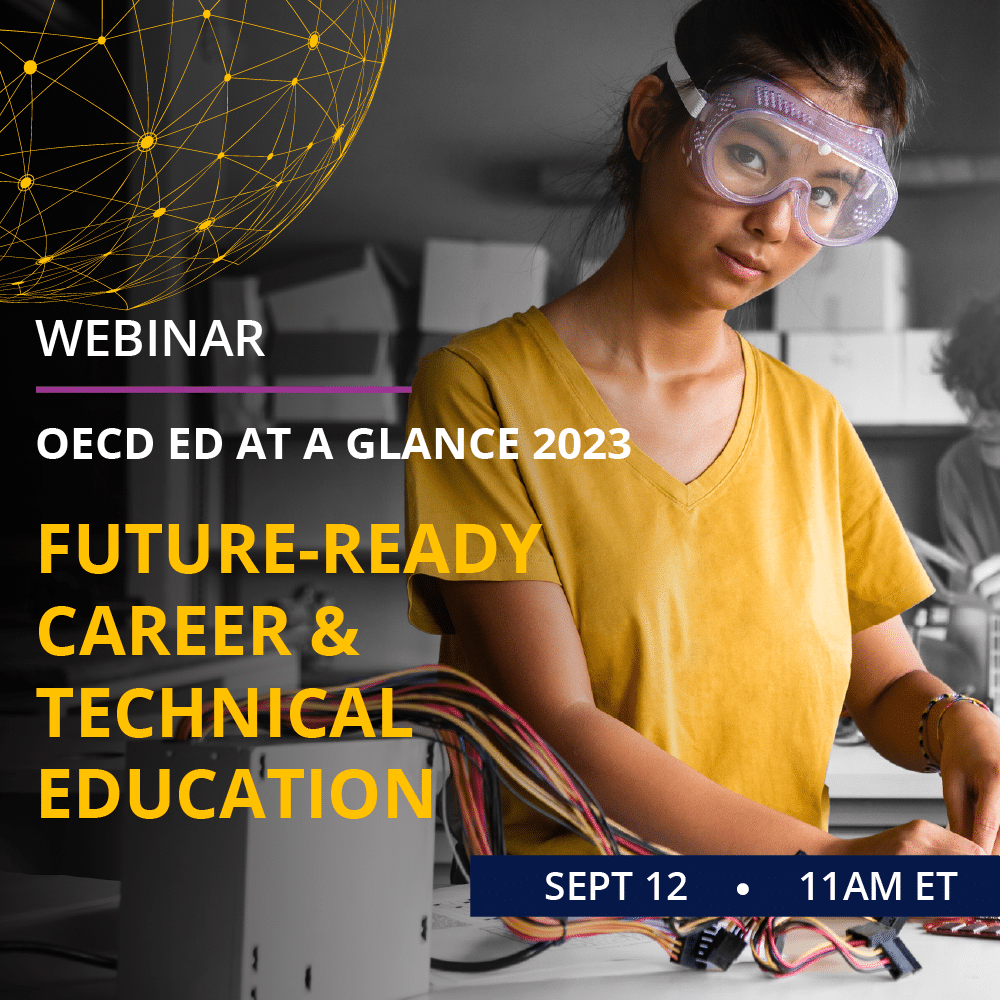
Hear from experts on international data, current U.S. priorities, labor market analysis, and successful district programs designed to help students find their voice through viable career and technical education options.
Join the conversation:

NCEE is a 501(c)(3) organization.
National Center on Education and the Economy | 2445 M St NW, Suite 720 | Washington, DC 20037
NCEE is a 501(c)(3) organization.
National Center on Education and the Economy
2445 M St NW, Suite 720 | Washington, DC 20037
1996-2026 © The National Center on Education and the Economy • Privacy