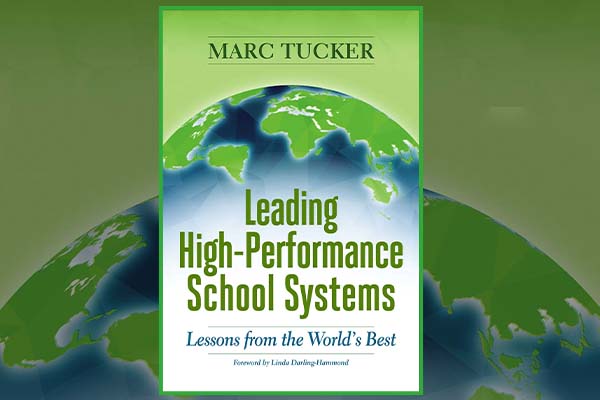

Education systems today are being asked to do more than ever before, from delivering strong academic outcomes to supporting well-being, equity, and long-term success in a rapidly changing world.
Drawing on new global analysis of 83 systems, this webinar explores what it means to be a “High Performer” today and how leading systems are redefining excellence across the full span of learners’ lives.
Featuring senior leaders from Finland, Singapore, and Estonia, the conversation examines the policy choices and system designs that enable sustained success and what others can learn from them.
As educators, policymakers, and researchers the world over joined the webinar, Vicki Phillips kicked things off with a challenge: it’s time to rethink what we call a “high-performing” education system. For years, success has been defined by narrow metrics and single moments in time, but that definition no longer holds up. Today’s systems are expected to do much more, from driving academic outcomes to supporting student well-being and expanding opportunity. Instead of offering a ranking, she introduced NCEE’s High Performers as a new lens, highlighting systems that are delivering results over time and inviting others to learn from what’s behind that success.
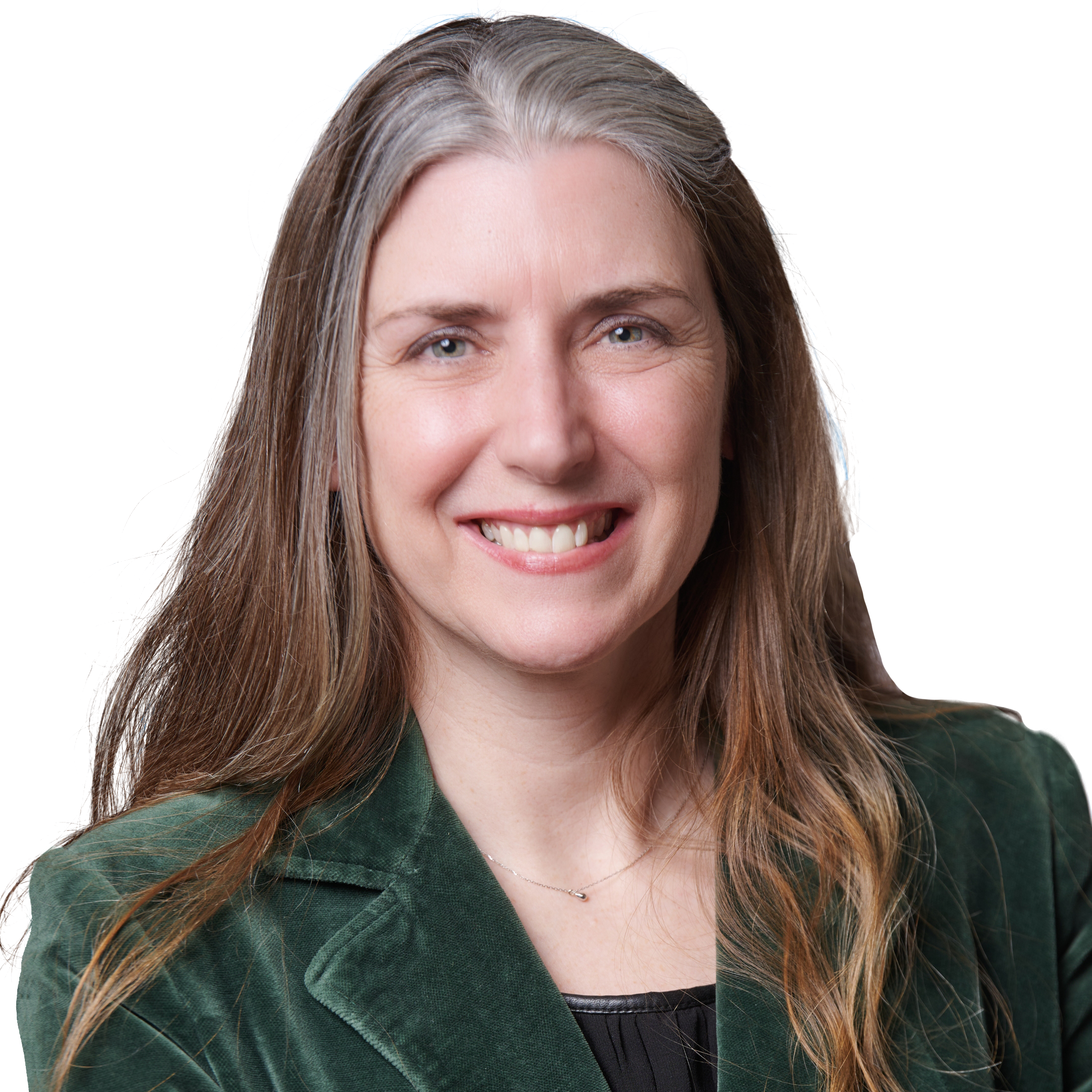
“But just as the purposes of education are shifting, so too are the measurements.” –Tracey Burns Chief Global Strategy & Research Officer at NCEE
Tracey Burns then explained that that shift is what drove NCEE to rethink how it defines High Performers. Instead of relying on narrow academic results, NCEE has modernized its benchmarking approach to look across a learner’s entire life, combining achievement with well-being, equity, and long-term outcomes. The result is a group of 10 systems showing that sustained success is possible and that excellence can be engineered. Most of all, these systems demonstrate that it’s not about a single formula, but about building coherent, future-focused systems that deliver over time.
The panel discussion then brought those ideas to life, as leaders from Estonia, Singapore, and Finland reflected on how high-performing systems are built and sustained. The conversation spanned the full arc of system transformation: from the early decisions that set their trajectories, to how they are redefining excellence beyond test scores, to the challenges they are navigating now as they look to the future.
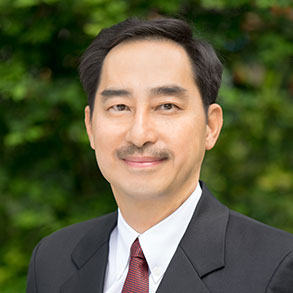
“What happens in education happens in the interaction between teachers and students. …There are many other factors related to that, but teachers are important. Teachers are key.” –Siew Hoong Wong, former Director-General of Education in Singapore
From Singapore’s perspective, Siew Hoong Wong returned to a clear throughline: Singapore’s success is the result of sustained, strategic investment in its teaching force and an evolving vision of what teaching requires. Decades of reform focused on recruiting top talent, strengthening preparation, and elevating the profession. Singapore even launched a public awareness campaign to elevate the status of teachers in society. Now, as the system shifts toward broader outcomes like creativity, well-being, and soft skills, Singapore is relying on its teachers: “It is a whole paradigm shift…that is being demanded of our teachers, and there’s a whole shift in terms of the roles that teachers must consider…you need to entrust the teachers a lot more.”

“I think the decision to entrust teachers with autonomy… was actually not a new thing for Estonia. We didn’t really have another choice but to trust our people.” –Sten Kapten, Former Senior Leader at the Ministry of Education in Estonia
Sten Kapten highlighted a different but related driver of Estonia’s success: a deep culture of trust both in educators and in the system’s ability to evolve. From early decisions to decentralize and give teachers autonomy, to integrating “general competencies” that push schools to focus on the whole child, Estonia has leaned into flexibility rather than prescription. That same mindset is shaping its approach to the future, including its AI Leap initiative. As Kapten put it, even when outcomes are uncertain, “you’re building the know-how, you’re building the skills… so that you will find success in the end,” reflecting a system designed to learn and adapt over time.
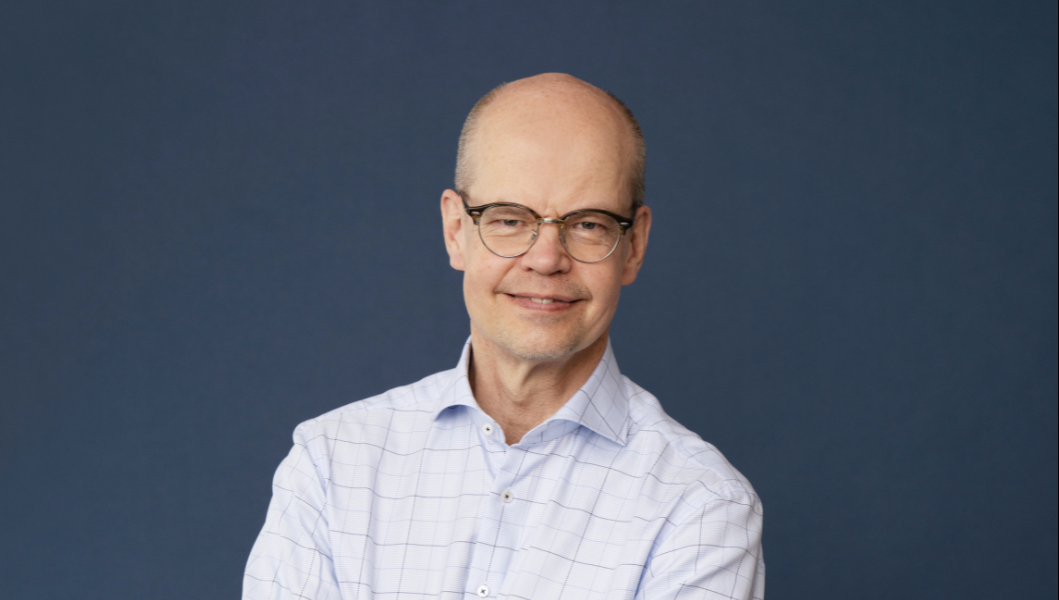
“And we need to help the students come to different solutions that we older generation have come to. And that means…focusing on critical drinking and creativity but also that the students have a motivation to use those skills. That they have that agency to make a difference in the world.” –Olli-Pekka Heinonen, Director General of the International Baccalaureate and former Minister of Education and Science in Finland
Olli-Pekka Heinonen built on that idea by describing how Finland made a deliberate national choice to treat education as a central driver of society itself. This is a mindset that has shaped decades of policy decisions. From Finland’s comprehensive system to its newly released long-term vision, he emphasized a consistent focus on developing the whole person and preparing students to actively shape the future. As he put it, education must do more than pass on knowledge. It must help young people “make something better,” underscoring a system designed not just to perform, but to contribute to society over time.
Vicki Phillips closed by returning to what sets these systems apart: not a single reform, but a sustained commitment to evolving with purpose. High-performing systems, she noted, are defined by their ability to adapt and iterate in response to new challenges while staying anchored in a clear goal of expanding opportunity for every learner. From strong leadership to high-capacity educators and system-wide coherence, it’s the combination of these elements that makes lasting success possible. She emphasized that while no system can be copied, there is much to learn from what these places have made possible. Ultimately, she framed the work as one of helping young people flourish:
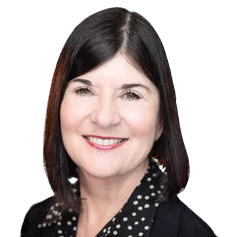
“I love this notion of continued resilience and innovation in the face of new challenges. It’s a sort of hopeful stance, this notion that we want young people to live lives of purpose and hope.” –Vicki Phillips, CEO at NCEE