
Onward
Together

Onward
Together
Onward
Together
Featured blog posts

A Las Vegas principal used the upheaval of the pandemic as a chance to ground the school’s professional learning in teacher-led inquiry.
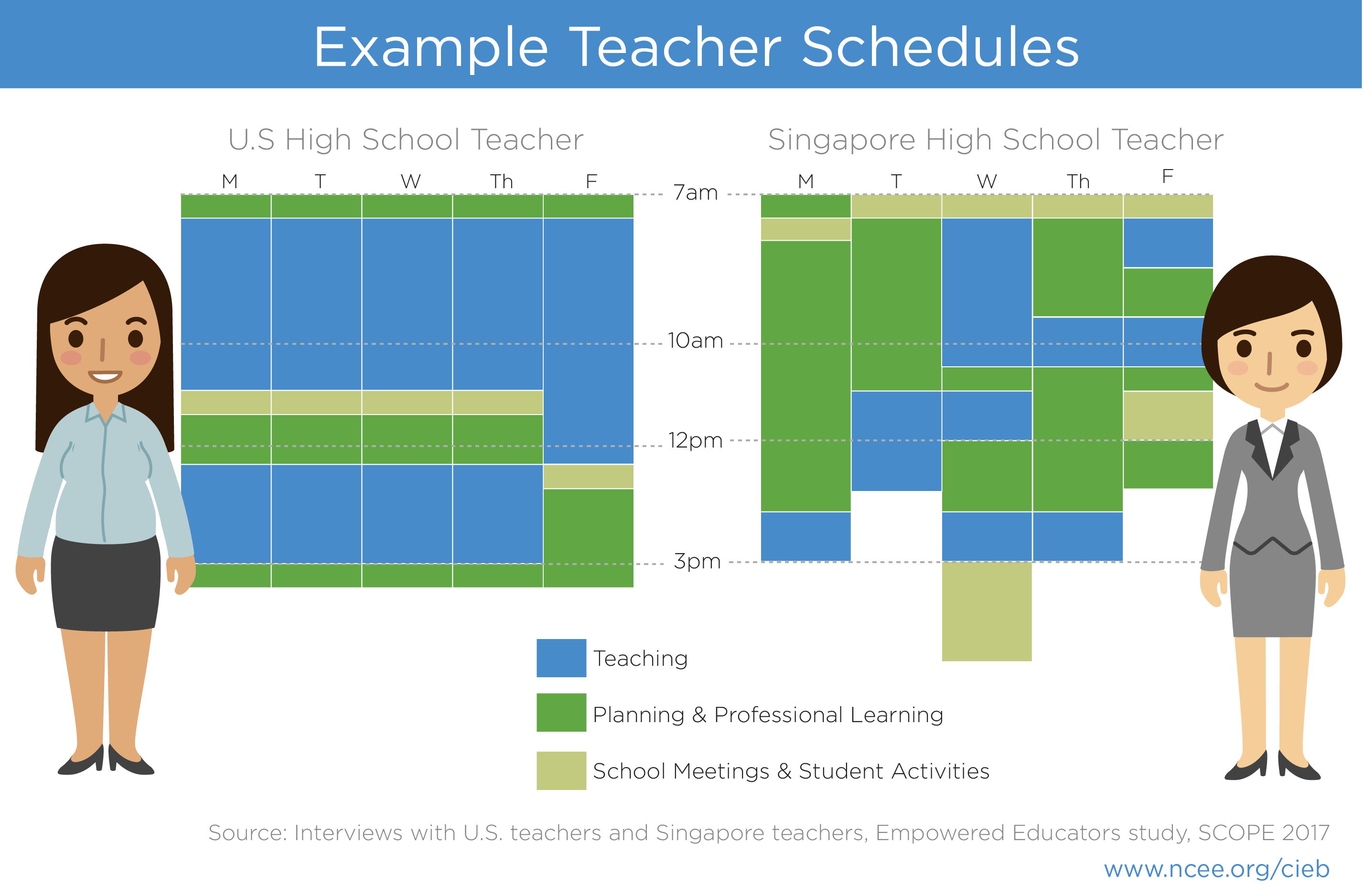
Top-performing education systems have long understood the value of providing teachers with time in their schedules outside of teaching: time to prepare lessons, observe and collaborate with their peers, conduct research to improve their practice, and build relationships with students and families. The chart above compares a U.S. high school teacher’s schedule with ...
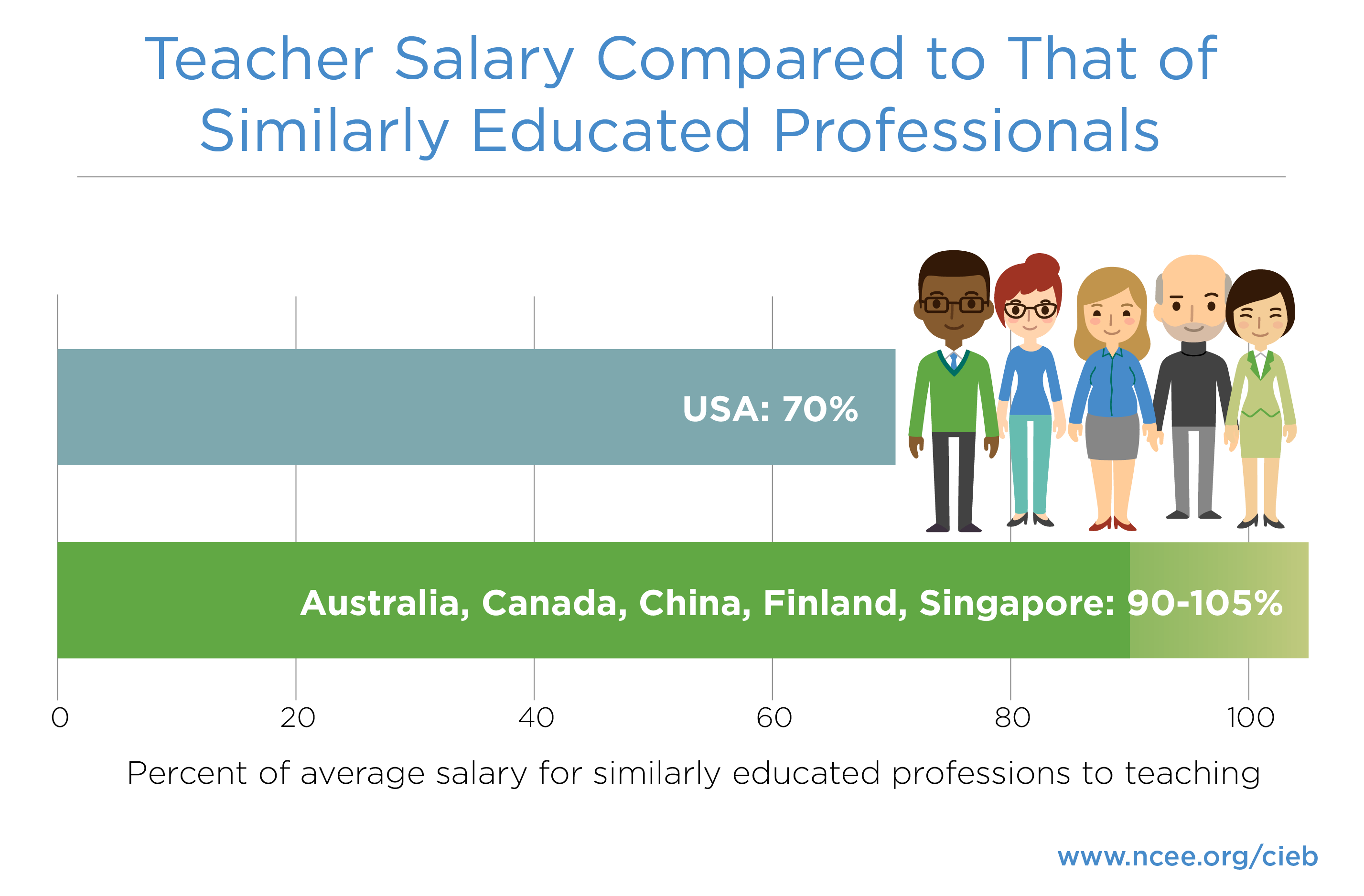
By Nathan Driskell A new report from the National Council on Teacher Quality (NCTQ) finds that professions that require similar education and credentials as teaching pay about 40 percent more, on average, than teaching. In other words, teachers only make 70 percent as much as similarly educated professionals. This finding suggests that the ...

Some of the best early childhood education systems in the world have clear pathways for career development for early childhood educators.

By Monica Pfister While the top performers vary in the approaches that have led to their high performance to-date, they share a common commitment to continuous improvement. This includes a willingness to re-examine and revise existing practices, even those central to the structure of their current education system, with an eye toward creating ...
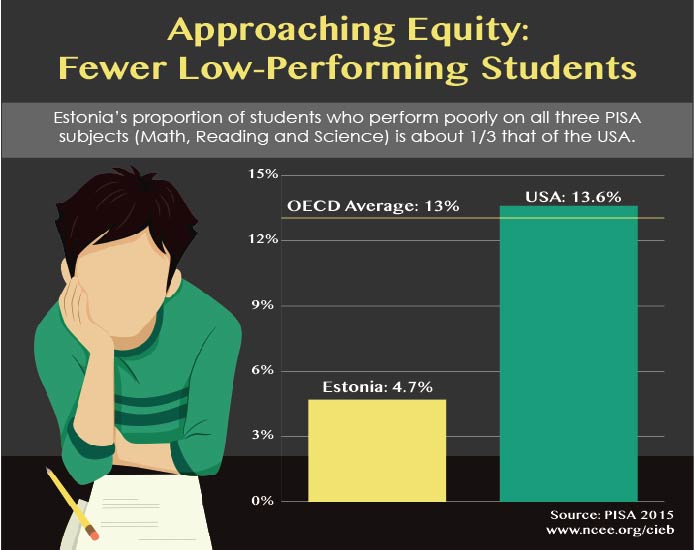
By Jennifer Craw Estonia has an exceptionally low rate of students who perform poorly on all three subjects tested by PISA (mathematics, reading and science). In fact, with only 4.7 percent of students performing below Level 2 on all three subjects, Estonia has the lowest rate of low-performers of any European country, well ...
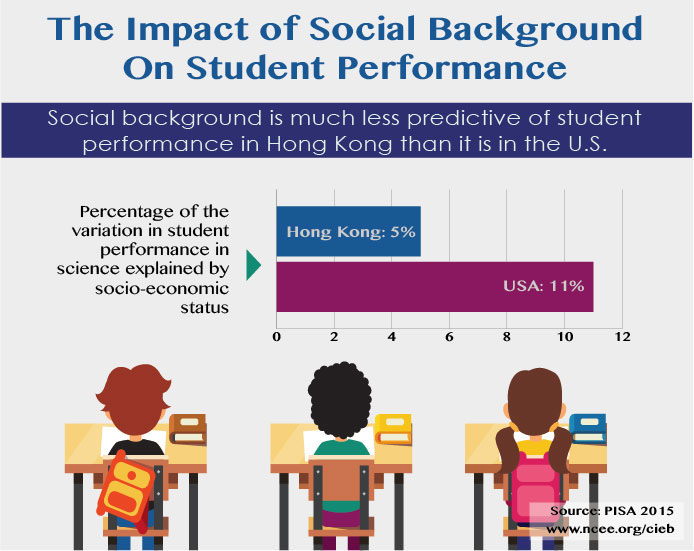
By Jennifer Craw This month we look at high-performing education systems which are also notable for their support of all students. Hong Kong has worked to significantly reduce the impact of poverty and social background on student success. In Hong Kong, social background—which includes things like relative income, parents’ education levels and parents’ occupations—explains ...