
Onward
Together

Onward
Together
Onward
Together
Featured blog posts

Grove City Area School District is placing teachers at the forefront of decision-making, creating a culture where innovation and shared responsibility thrive.

In this report from the 2022 International Summit on the Teaching Profession, NCEE summarizes the latest thinking from high-performing education systems about how schools can responsibly harness new technologies, build more inclusive communities, and help to secure a sustainable future.
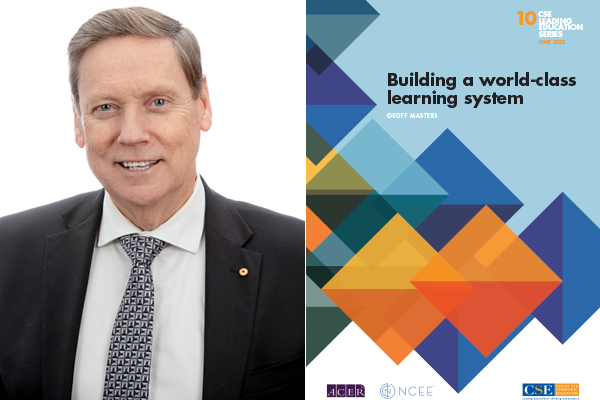
Geoff Masters, CEO of the Australian Council for Educational Research (ACER), writes about how five jurisdictions that have performed unusually well on the OECD’s PISA assessment organize their school systems now and how these jurisdictions are aiming to transform their systems to better meet the changing economic and social context.
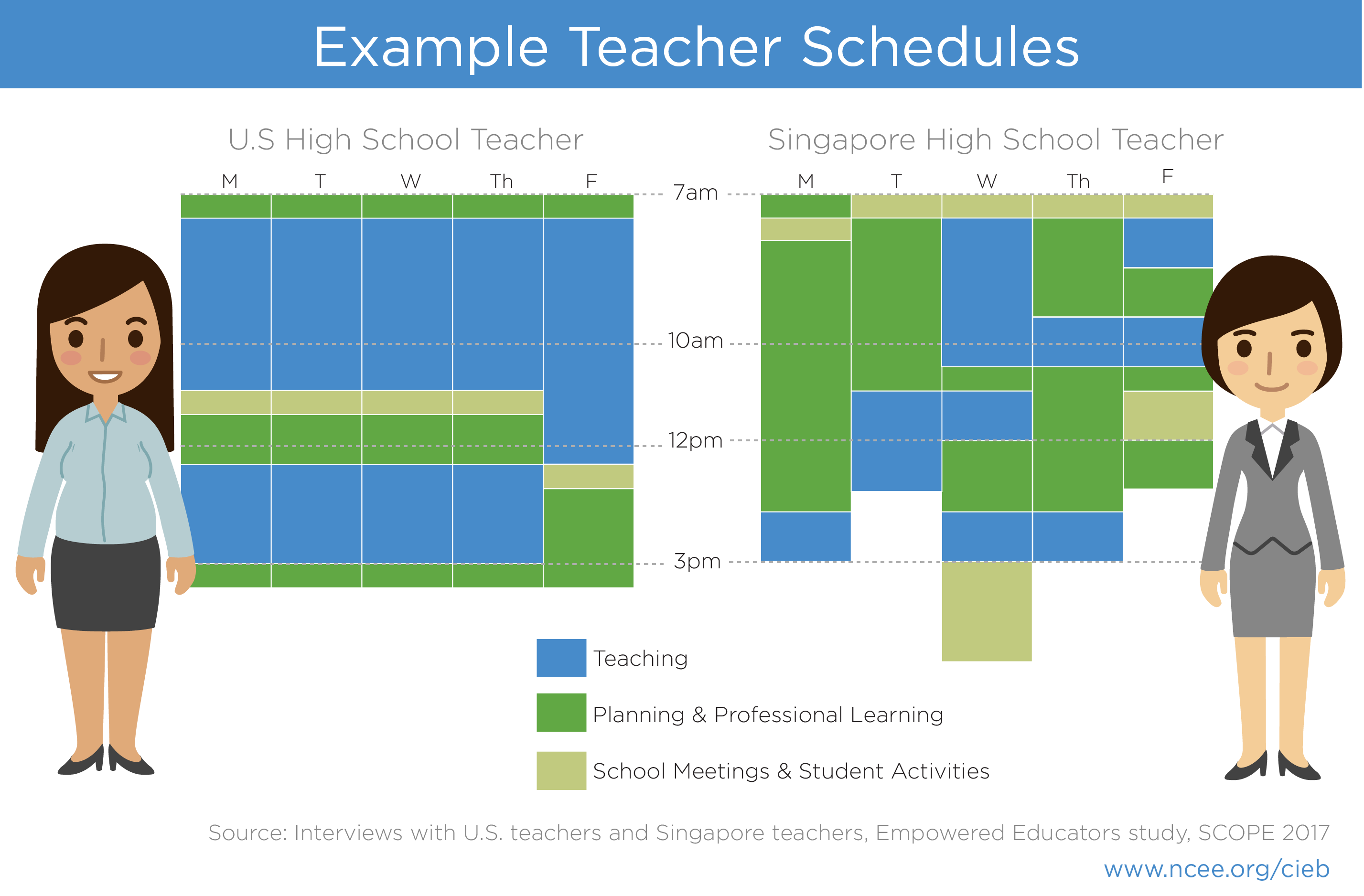
Top-performing education systems have long understood the value of providing teachers with time in their schedules outside of teaching: time to prepare lessons, observe and collaborate with their peers, conduct research to improve their practice, and build relationships with students and families. The chart above compares a U.S. high school teacher’s schedule with ...
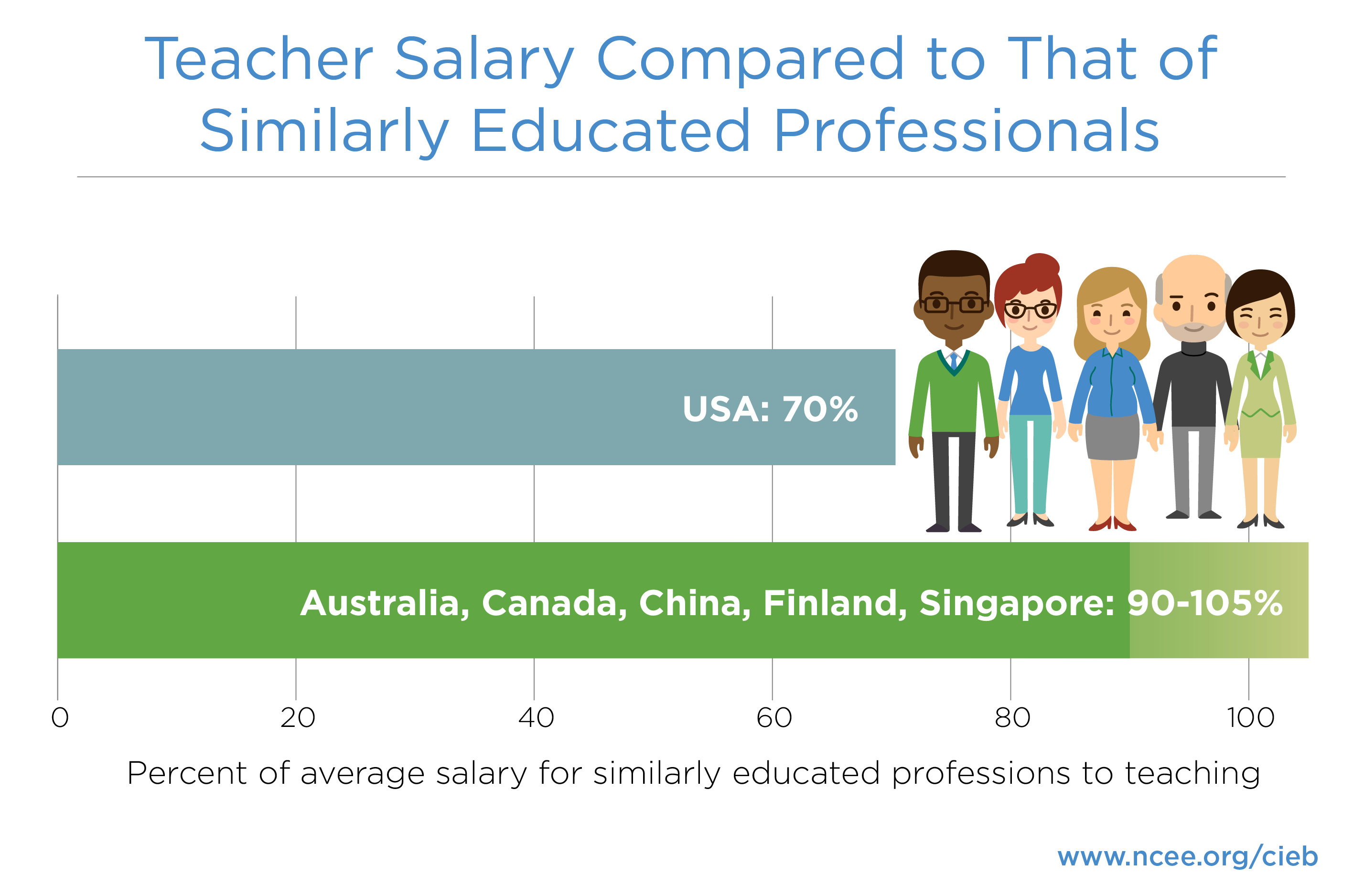
By Nathan Driskell A new report from the National Council on Teacher Quality (NCTQ) finds that professions that require similar education and credentials as teaching pay about 40 percent more, on average, than teaching. In other words, teachers only make 70 percent as much as similarly educated professionals. This finding suggests that the ...
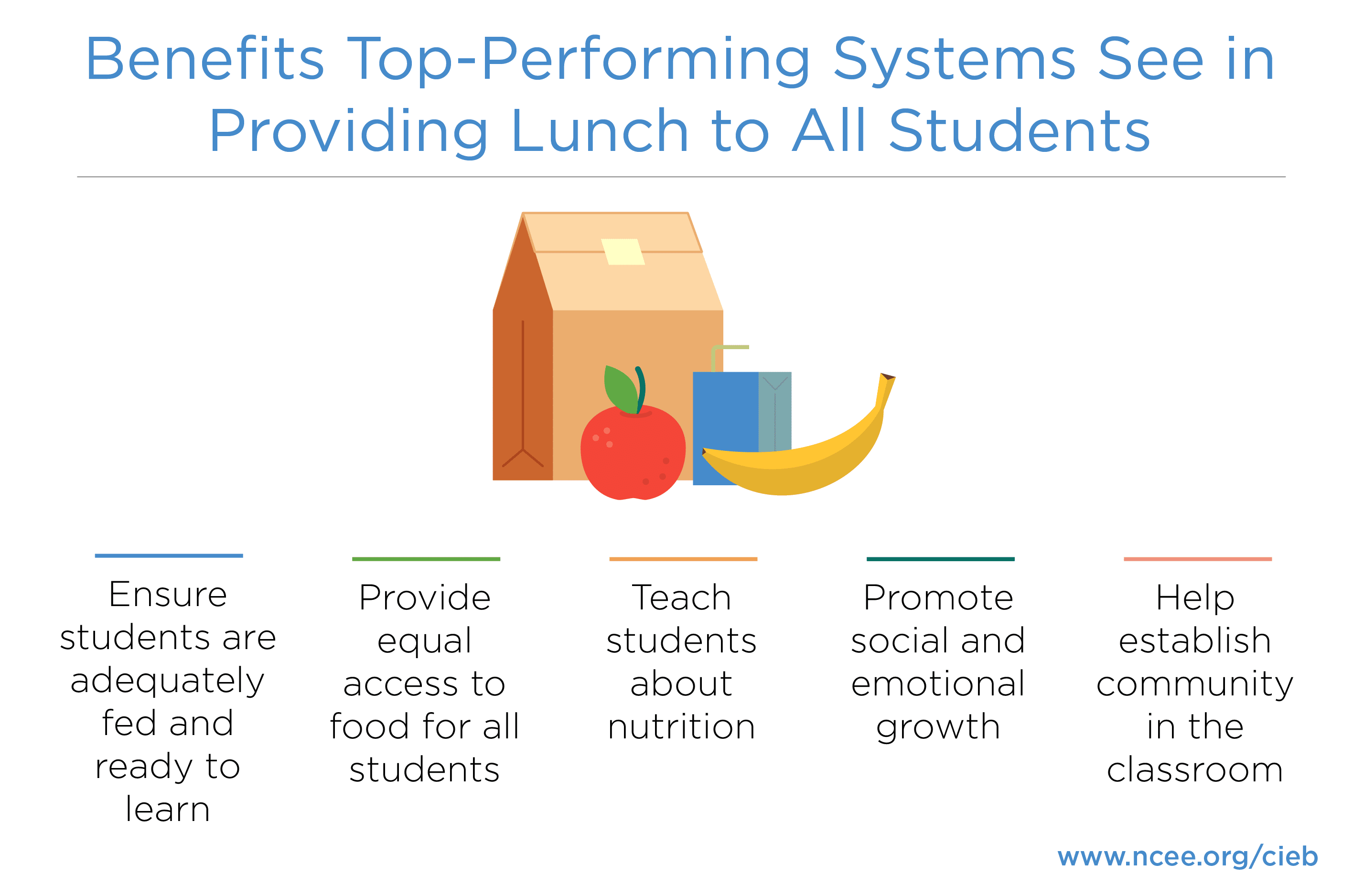
Providing meals for all students, and using meal times as a way to promote learning, is a policy many top-performing systems use to ensure that all students are healthy and ready to learn.
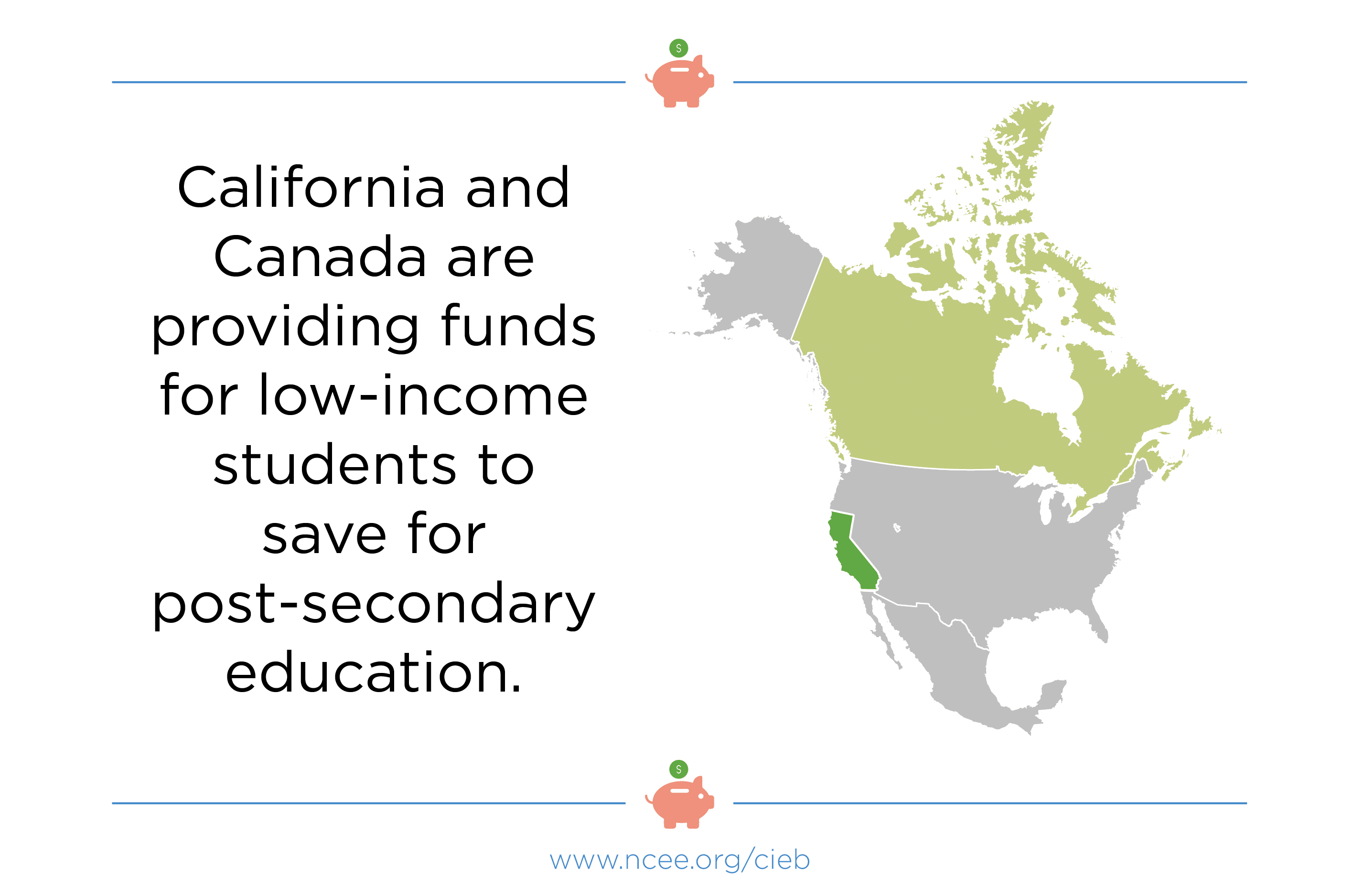
California’s new plan of providing funds for low-income students to save for post-secondary education is a strategy used by some top-performing countries such as Canada.
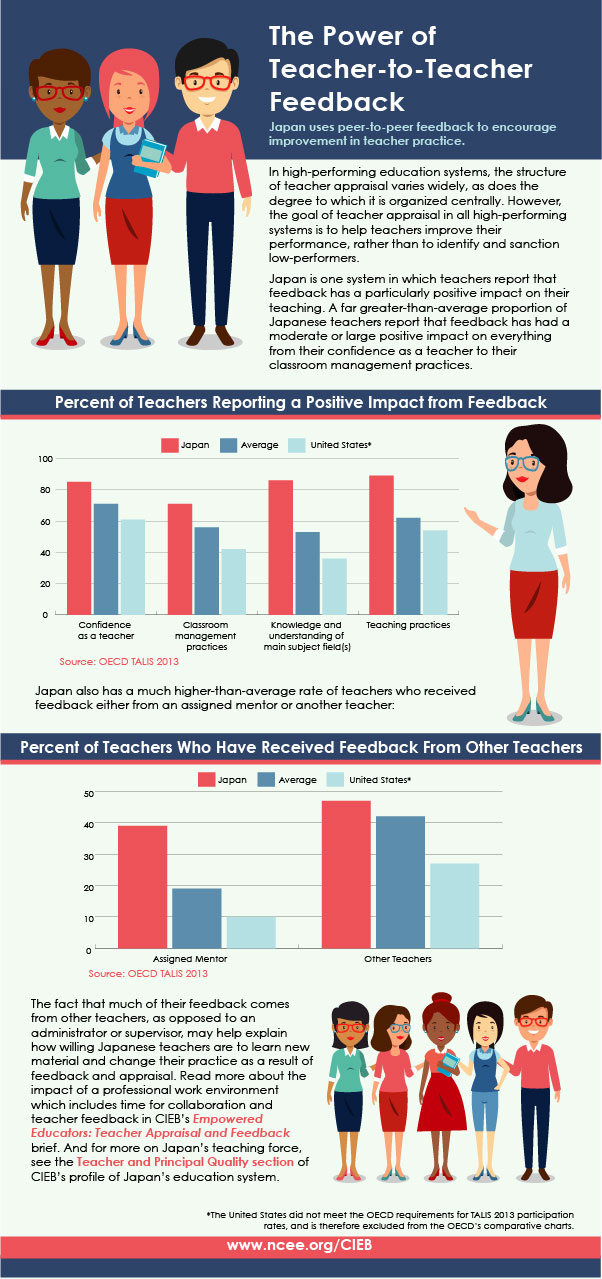
By Jennifer Craw Read more about the impact of a professional work environment which includes time for collaboration and teacher feedback in CIEB’s Empowered Educators: Teacher Appraisal and Feedback brief. And for more on Japan’s teaching force, see the Teacher and Principal Quality section of CIEB’s profile of Japan’s education system. ...
By Bob Rothman Building systems that can produce levels of achievement found in top-performing countries will require policy changes at the state and federal levels. But there is much districts can do—even in states where the policy environment is constricting—to create high-performing systems. That was the message that Marc Tucker, the founding president ...
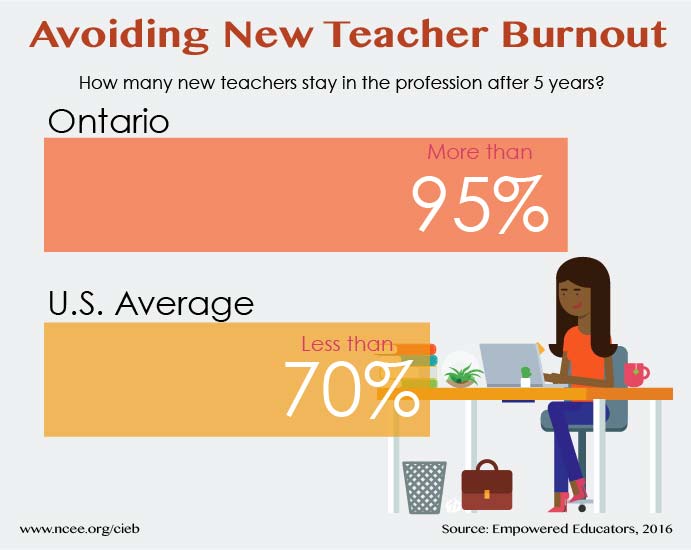
By Jennifer Craw High-performing education systems like Ontario, Canada understand that teachers are not fully prepared for all they will encounter on Day One, and that teacher burnout in the first several years is a major risk factor when trying to build a world-class teaching force. These systems have developed intensive programs of ...
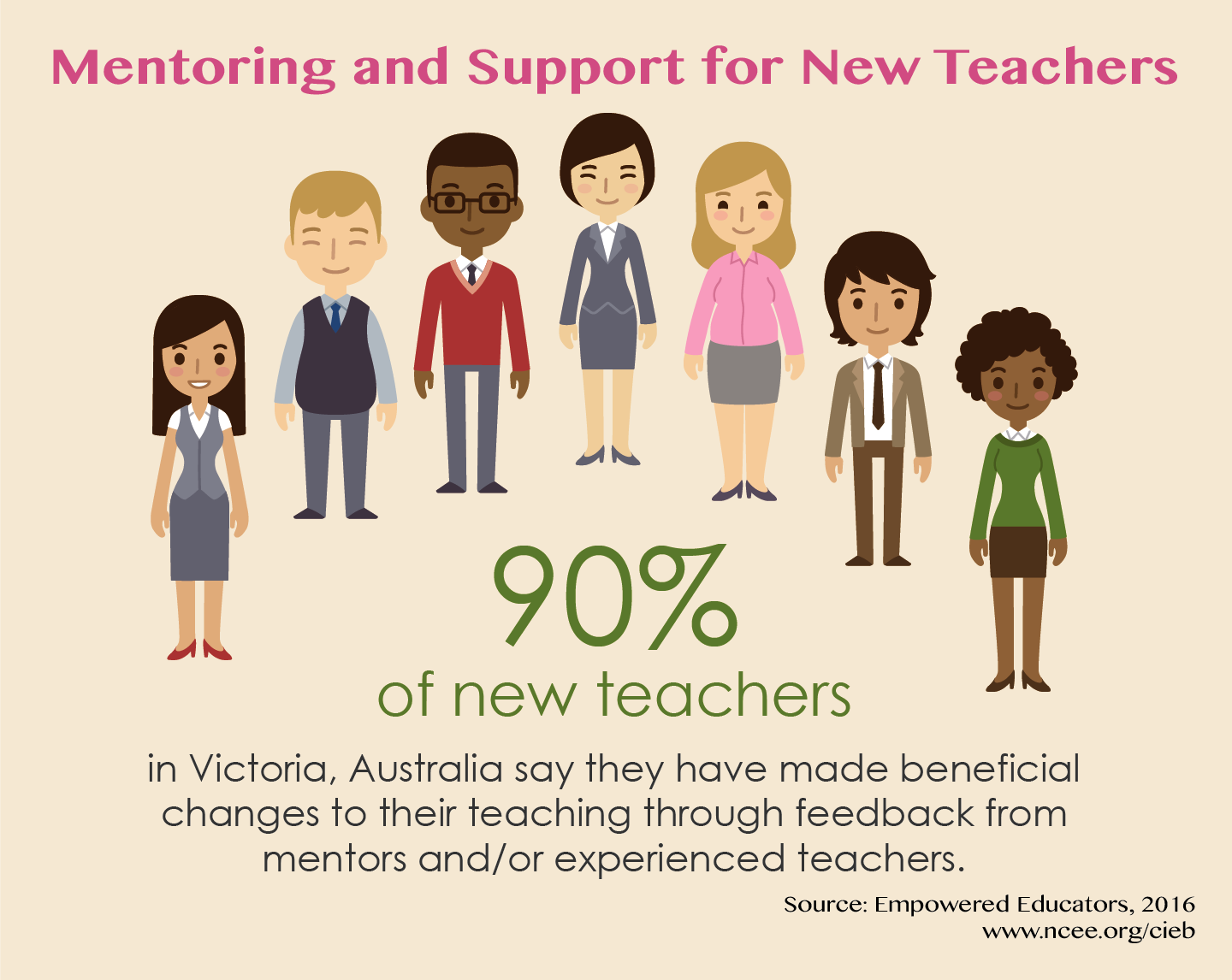
By Jennifer Craw Like doctors, who intern following their medical school training, new teachers need additional support to develop the broader repertoire of strategies and problem-solving skills they need for their complex jobs. As a result, most high-performing systems have developed intensive programs of mentoring and induction for new teachers that provide helpful ...

By Jennifer Craw While Finland’s highly intellectual and deeply clinical preparation for teachers is a notable example, many top performing education systems have much higher standards for preparing teachers than are found in US programs. What would the U.S. teaching force look like if we required this kind of preparation of our prospective ...
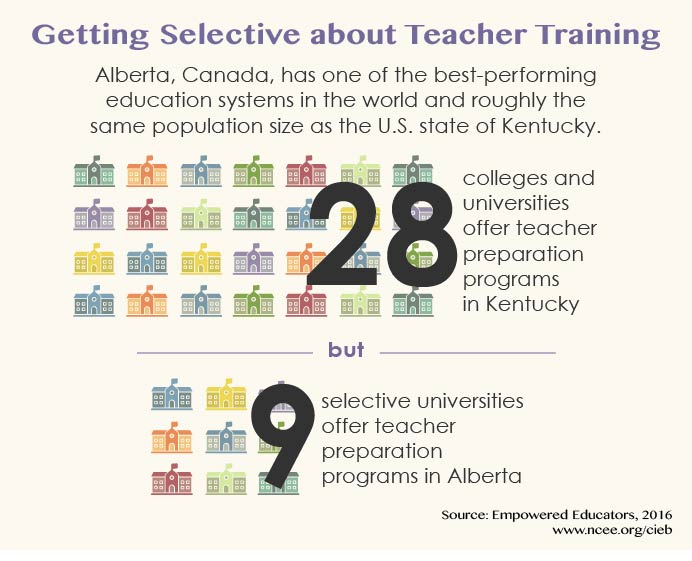
By Jennifer Craw Alberta is not alone. Many top-performing education systems limit the number of teacher training options to a few high-quality programs. And Kentucky is not unusual within the United States, where most states have dozens of teacher training programs available with vastly different levels of rigor. Unlike in the U.S., universities ...
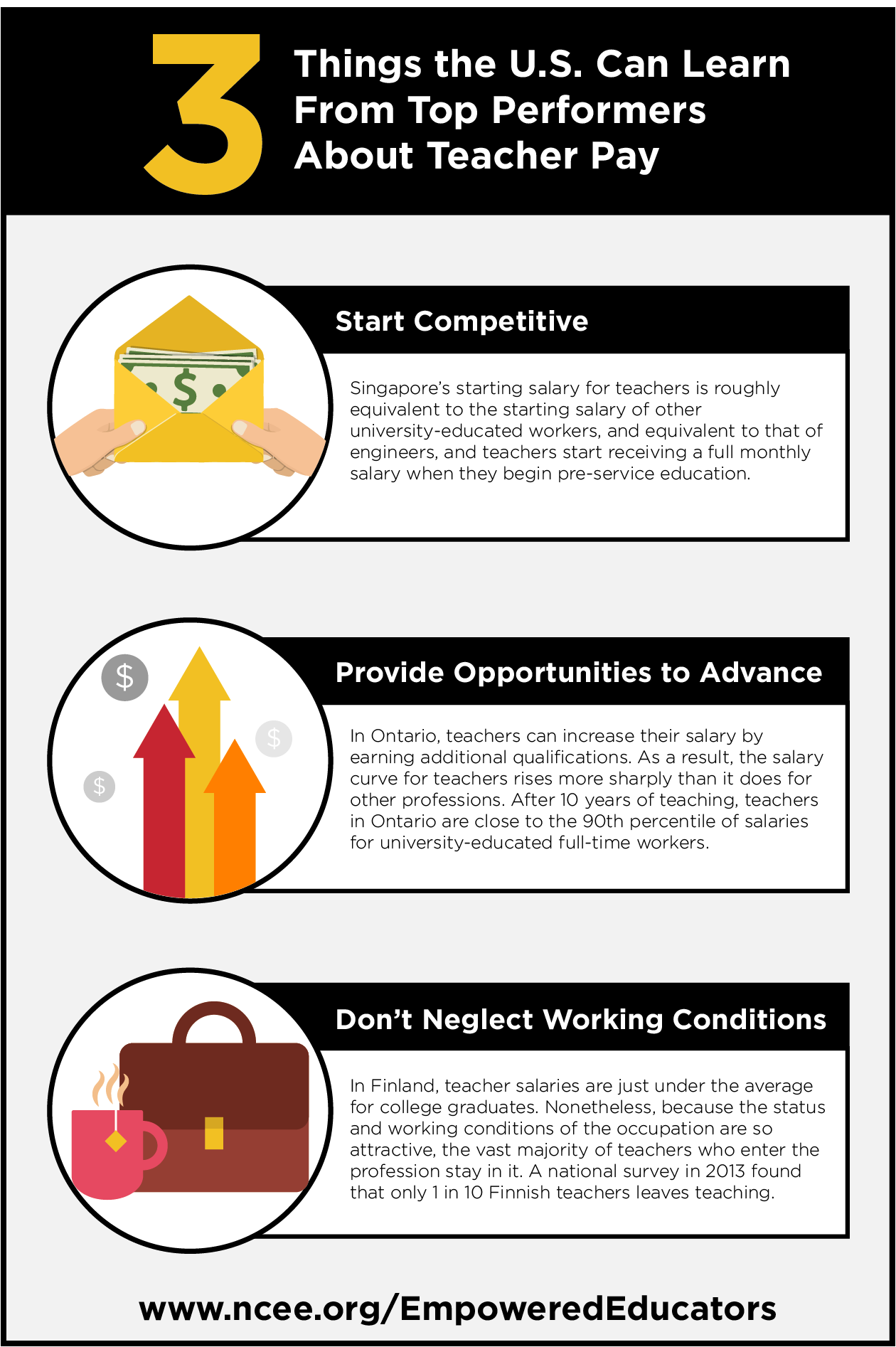
By Jennifer Craw Find out more about how top performing education systems recruit and retain their world-class teaching forces in the policy brief “Recruiting and Selecting Excellent Teachers” from CIEB’s Empowered Educators study.

By Jennifer Craw CIEB’s Empowered Educators study found that in five countries with high student performance on PISA (Canada, Australia, China, Singapore and Finland) teacher salaries were between about 90 and 105 percent of the average received by college graduates across professions. By contrast, U.S. teachers earned, on average, about 60 percent of ...
-
By Jennifer Craw Read more about the impact of a professional work environment which includes time for collaboration and teacher feedback in CIEB’s Empowered Educators: Teacher Appraisal and Feedback brief. And for more on Japan’s teaching force, see the Teacher and Principal Quality section of CIEB’s profile of Japan’s education system. ...
-
By Bob Rothman Building systems that can produce levels of achievement found in top-performing countries will require policy changes at the state and federal levels. But there is much districts can do—even in states where the policy environment is constricting—to create high-performing systems. That was the message that Marc Tucker, the founding president ...
-
By Jennifer Craw High-performing education systems like Ontario, Canada understand that teachers are not fully prepared for all they will encounter on Day One, and that teacher burnout in the first several years is a major risk factor when trying to build a world-class teaching force. These systems have developed intensive programs of ...
-
By Jennifer Craw Like doctors, who intern following their medical school training, new teachers need additional support to develop the broader repertoire of strategies and problem-solving skills they need for their complex jobs. As a result, most high-performing systems have developed intensive programs of mentoring and induction for new teachers that provide helpful ...
-
By Jennifer Craw While Finland’s highly intellectual and deeply clinical preparation for teachers is a notable example, many top performing education systems have much higher standards for preparing teachers than are found in US programs. What would the U.S. teaching force look like if we required this kind of preparation of our prospective ...
-
By Jennifer Craw Alberta is not alone. Many top-performing education systems limit the number of teacher training options to a few high-quality programs. And Kentucky is not unusual within the United States, where most states have dozens of teacher training programs available with vastly different levels of rigor. Unlike in the U.S., universities ...
-
By Jennifer Craw Find out more about how top performing education systems recruit and retain their world-class teaching forces in the policy brief “Recruiting and Selecting Excellent Teachers” from CIEB’s Empowered Educators study.
-
By Jennifer Craw CIEB’s Empowered Educators study found that in five countries with high student performance on PISA (Canada, Australia, China, Singapore and Finland) teacher salaries were between about 90 and 105 percent of the average received by college graduates across professions. By contrast, U.S. teachers earned, on average, about 60 percent of ...