
Onward
Together

Onward
Together
Onward
Together
Featured blog posts

Strong school leadership is critical to shaping learning environments, supporting high-quality teachers and teaching, and improved student outcomes. A new report from the Learning Policy Institute explores what makes a high-quality school leadership professional learning program.

Tracey Burns, an international education researcher, talks with NCEE’s Anthony Mackay about potential directions for education around the world.
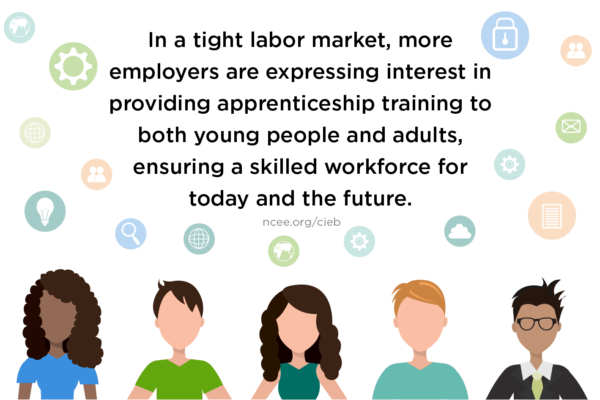
With increased interest in and funding for apprenticeships in the U.S., Switzerland’s world-class apprenticeship model offers lessons for how to build a CTE system that is both appealing to students and valued by industry.
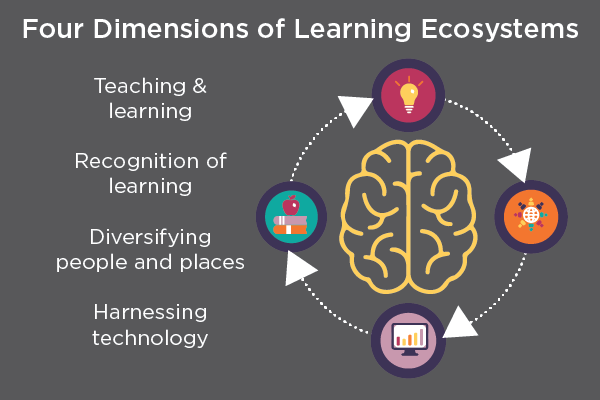
In this report, NCEE recaps the 2020 virtual meeting of The Global Education Leaders’ Partnership that brought together leading thinkers on how to transform education systems for the future.
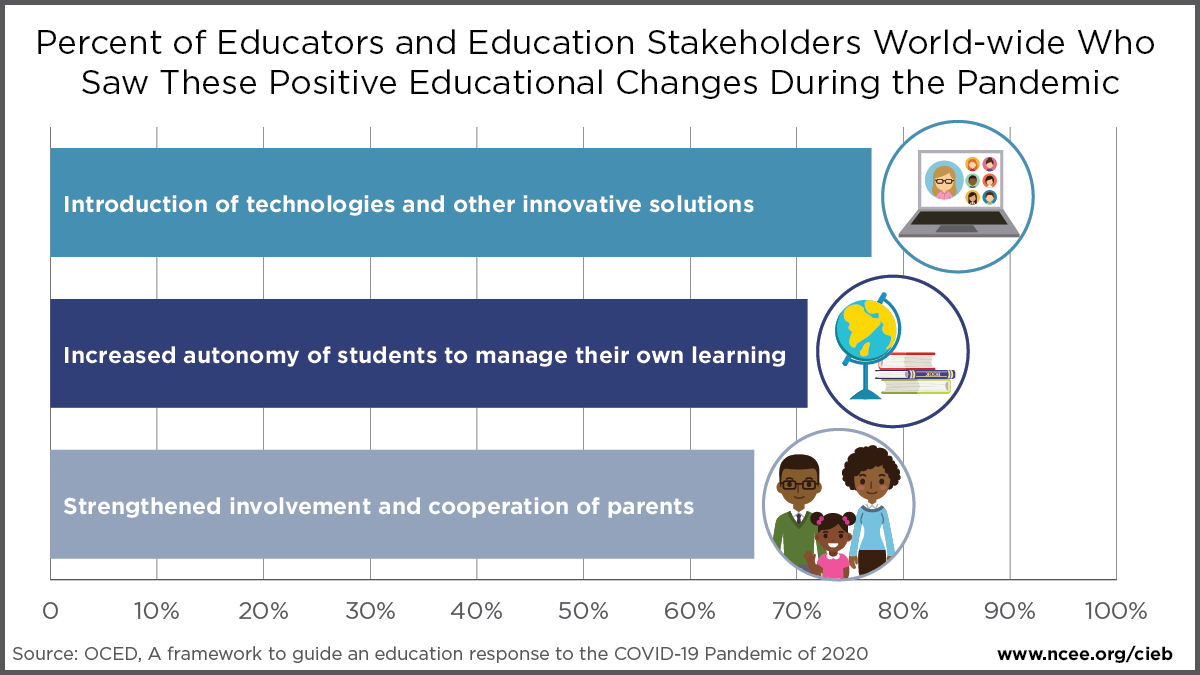
Education systems across the globe have undeniably faced many challenges due to the coronavirus pandemic. But it is possible that the pandemic will also produce some positive, long-lasting changes, according to a recent report from the Organisation for Economic Co-operation and Development (OECD). In a survey of educators and other stakeholders from 98 ...

By Monica Pfister On a recent visit to Estonia, NCEE staff learned firsthand that this Baltic nation—already a world leader in providing high-quality, accessible, and affordable early childhood education and care—is now tackling the challenge of attracting and retaining the best early childhood educators head on. This is a challenge many jurisdictions are ...
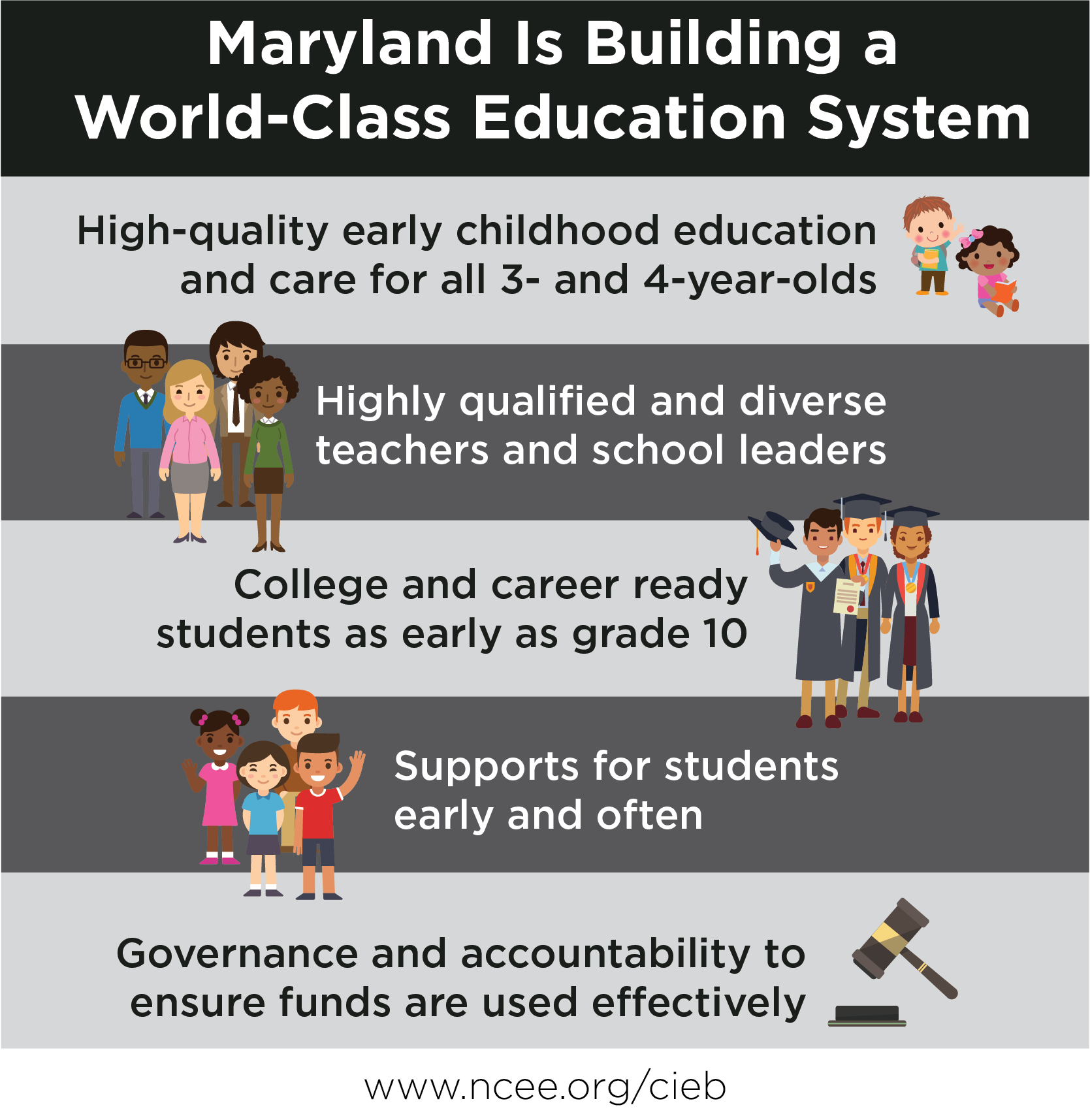
By Jennifer Craw On Monday, Maryland lawmakers gathered for a joint committee hearing on legislation that aims to transform the state’s public education system into one of the best-performing in the world. Known as the “Blueprint for Maryland’s Future,” the proposed legislation is the result of recommendations produced by the Commission on Innovation and ...

This interview with Mistilina Sato highlights how Shanghai’s collaborative teaching culture, with peer observation, mentorship, and shared lesson planning, supports teacher growth and career advancement.
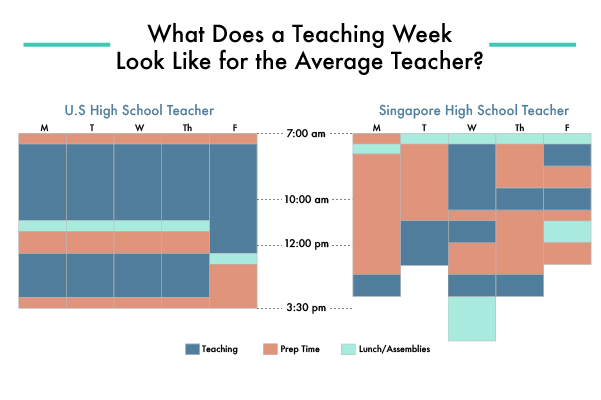
Teachers in the U.S. spend more time teaching, and thus have less time for collaboration and planning, than their counterparts in high-performing education systems.
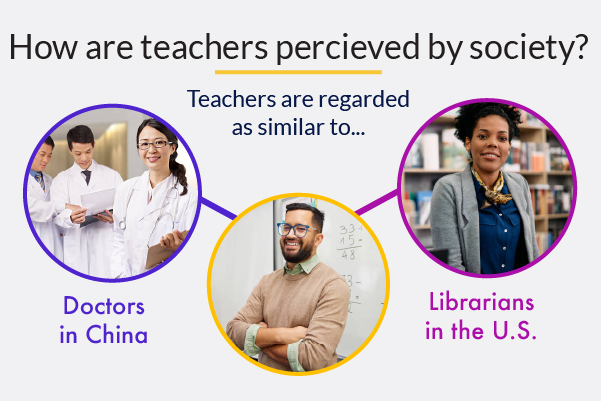
High-performing education systems view teachers as highly-trained professionals, and teachers in those systems feel valued.
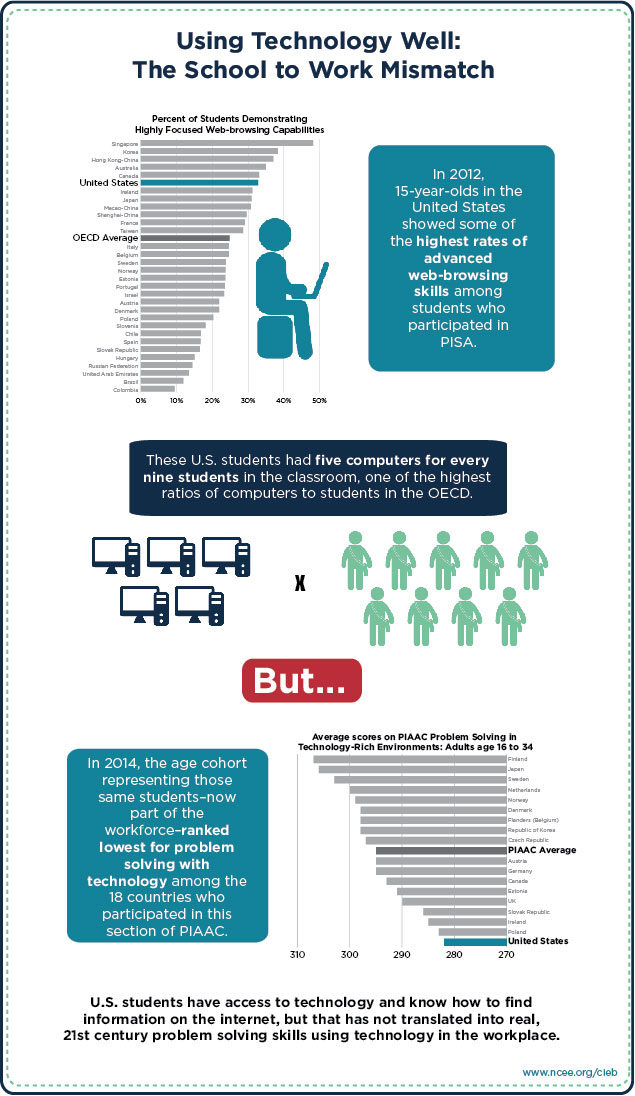
U.S. students have better access to computers and stronger web-browsing skills than their international counterparts, yet they struggle to solve problems using technology.
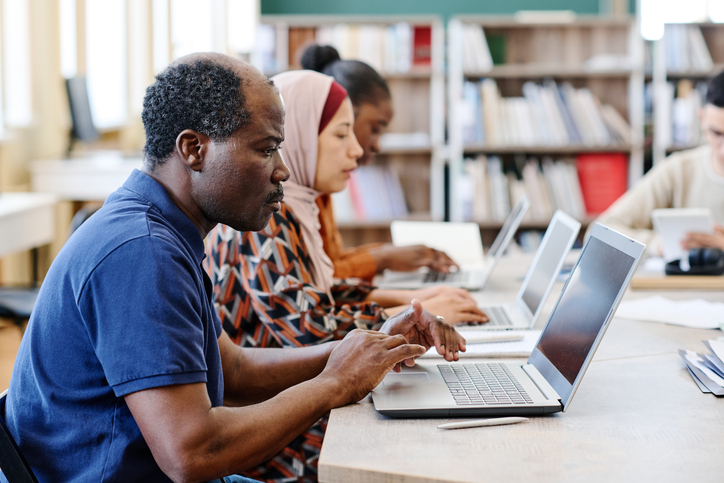
PIAAC data shows that U.S. adults, especially young and unemployed populations, lag behind their international peers in literacy, numeracy, and digital problem solving, highlighting the need for improved skill development.
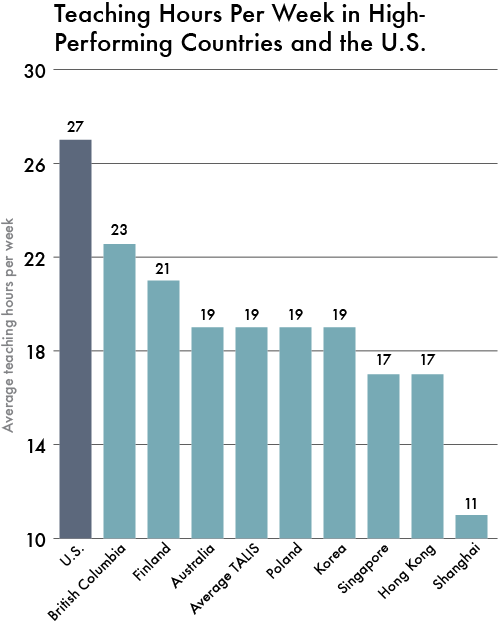
In high-performing education systems, fewer hours in front of a classroom means more time for teachers to pursue professional learning opportunities throughout the working week. All of this leads to a stronger, ever improving teaching force and higher student achievement overall.
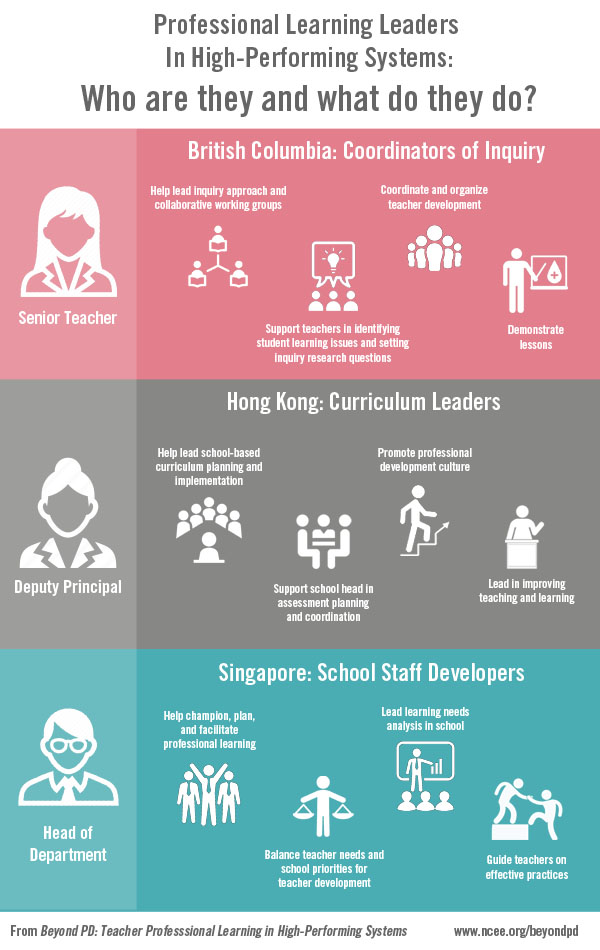
Top-performing education systems strengthen schools by appointing experienced teachers as professional learning leaders to guide peer collaboration, support curriculum implementation, and foster continuous improvement.

Michael Day, Director of the School of Education at the University of Roehampton in London, discusses "learning rounds" for teacher education students—structured school visits where students observe and learn from practicing teachers, inspired by medical residency models.
-
This interview with Mistilina Sato highlights how Shanghai’s collaborative teaching culture, with peer observation, mentorship, and shared lesson planning, supports teacher growth and career advancement.
-
Teachers in the U.S. spend more time teaching, and thus have less time for collaboration and planning, than their counterparts in high-performing education systems.
-
High-performing education systems view teachers as highly-trained professionals, and teachers in those systems feel valued.
-
U.S. students have better access to computers and stronger web-browsing skills than their international counterparts, yet they struggle to solve problems using technology.
-
PIAAC data shows that U.S. adults, especially young and unemployed populations, lag behind their international peers in literacy, numeracy, and digital problem solving, highlighting the need for improved skill development.
-
In high-performing education systems, fewer hours in front of a classroom means more time for teachers to pursue professional learning opportunities throughout the working week. All of this leads to a stronger, ever improving teaching force and higher student achievement overall.
-
Top-performing education systems strengthen schools by appointing experienced teachers as professional learning leaders to guide peer collaboration, support curriculum implementation, and foster continuous improvement.
-
Michael Day, Director of the School of Education at the University of Roehampton in London, discusses "learning rounds" for teacher education students—structured school visits where students observe and learn from practicing teachers, inspired by medical residency models.