
Onward
Together

Onward
Together
Onward
Together
Featured blog posts

Tracey Burns, an international education researcher, talks with NCEE’s Anthony Mackay about potential directions for education around the world.
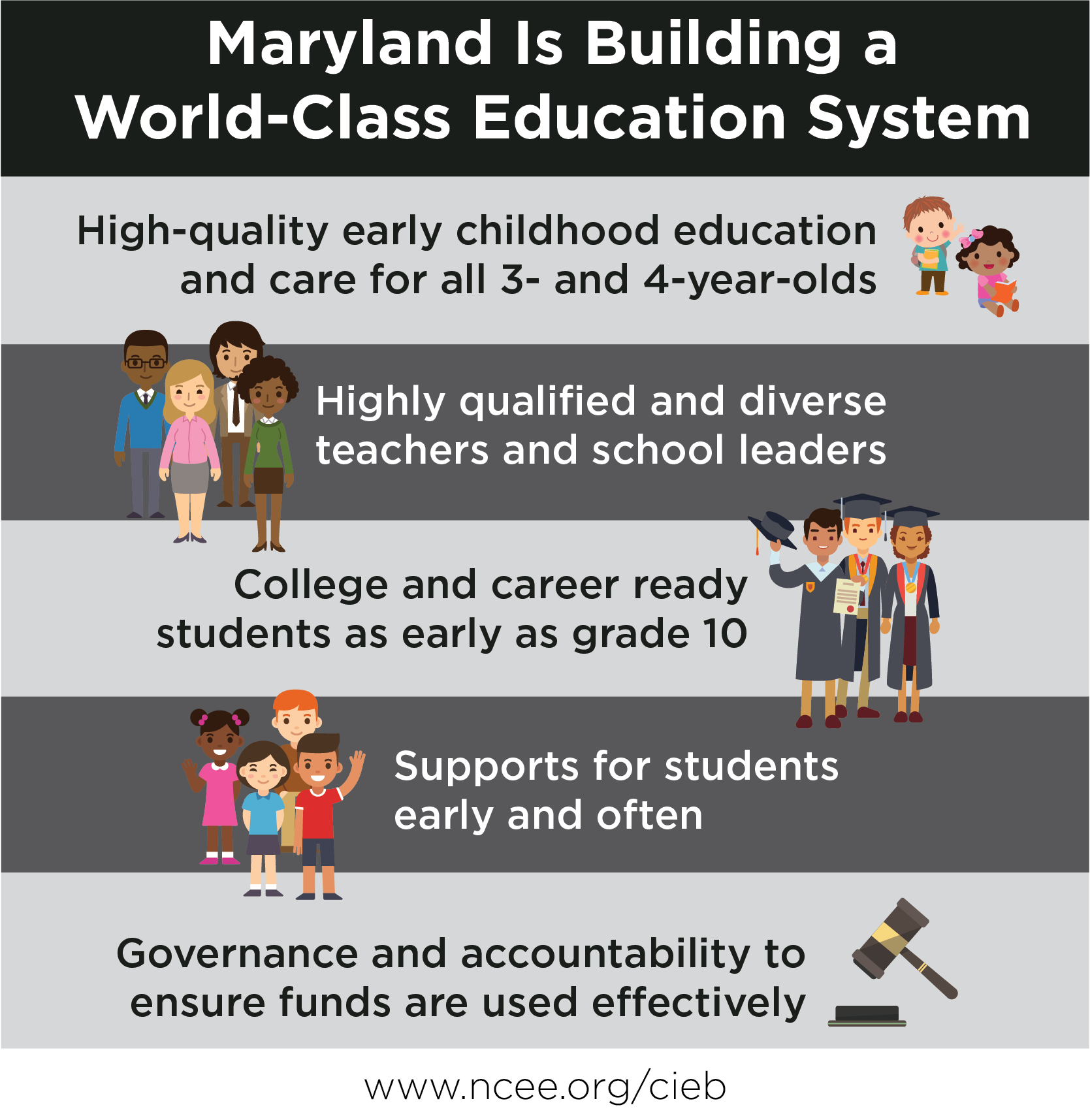
By Jennifer Craw On Monday, Maryland lawmakers gathered for a joint committee hearing on legislation that aims to transform the state’s public education system into one of the best-performing in the world. Known as the “Blueprint for Maryland’s Future,” the proposed legislation is the result of recommendations produced by the Commission on Innovation and ...

By Nathan Driskell NCEE staff saw some of the very best of Finnish vocational education in action when we visited the state-of-the-art Omnia Vocational School in Espoo, Finland this past month. Omnia serves pupils from ages 16-82: 7,000 students in upper secondary education and post-secondary education along with over 25,000 adults seeking some ...
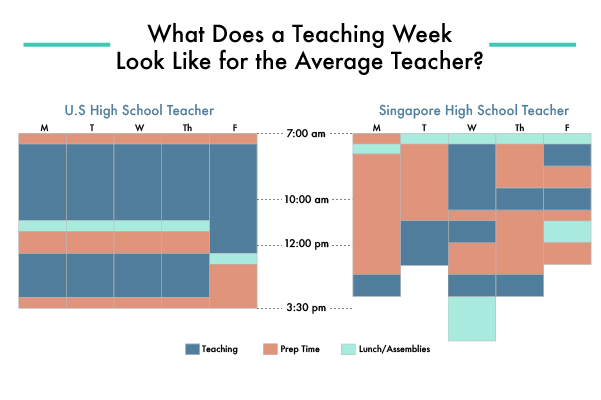
Teachers in the U.S. spend more time teaching, and thus have less time for collaboration and planning, than their counterparts in high-performing education systems.
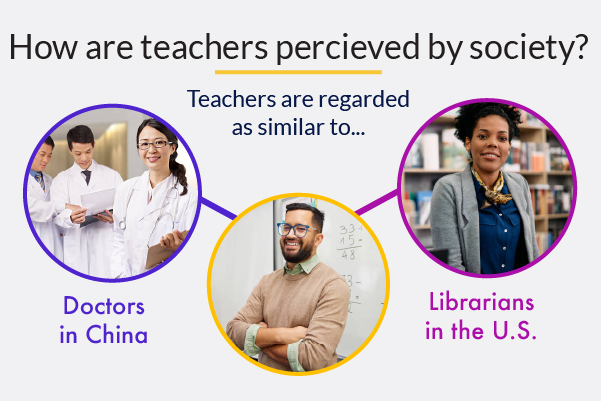
High-performing education systems view teachers as highly-trained professionals, and teachers in those systems feel valued.
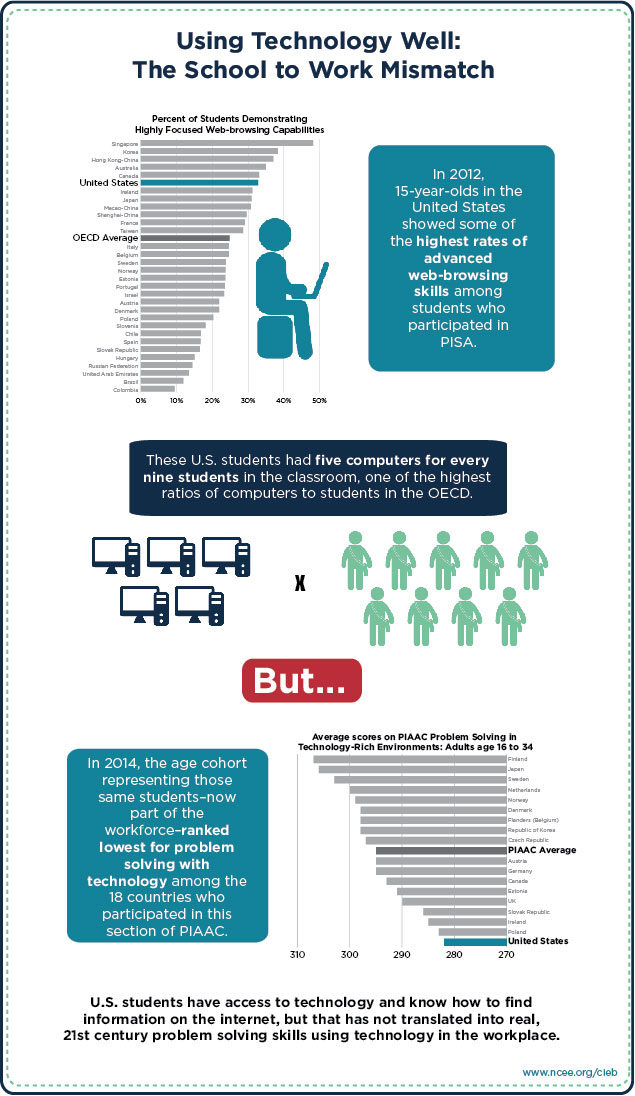
U.S. students have better access to computers and stronger web-browsing skills than their international counterparts, yet they struggle to solve problems using technology.
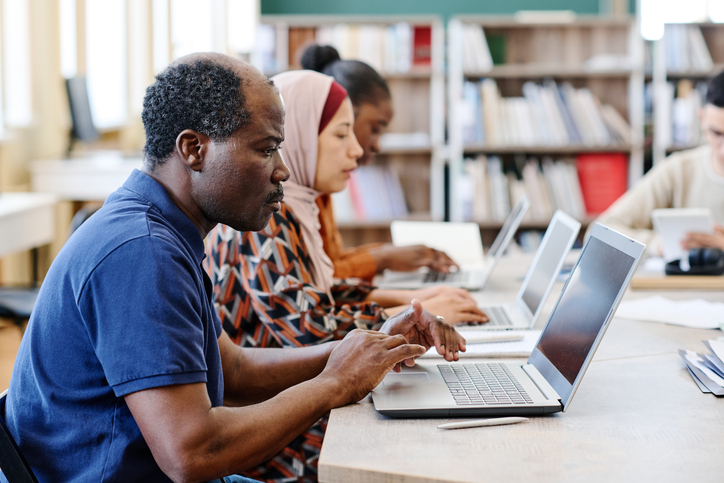
PIAAC data shows that U.S. adults, especially young and unemployed populations, lag behind their international peers in literacy, numeracy, and digital problem solving, highlighting the need for improved skill development.