
Onward
Together

Onward
Together
Onward
Together
Featured blog posts
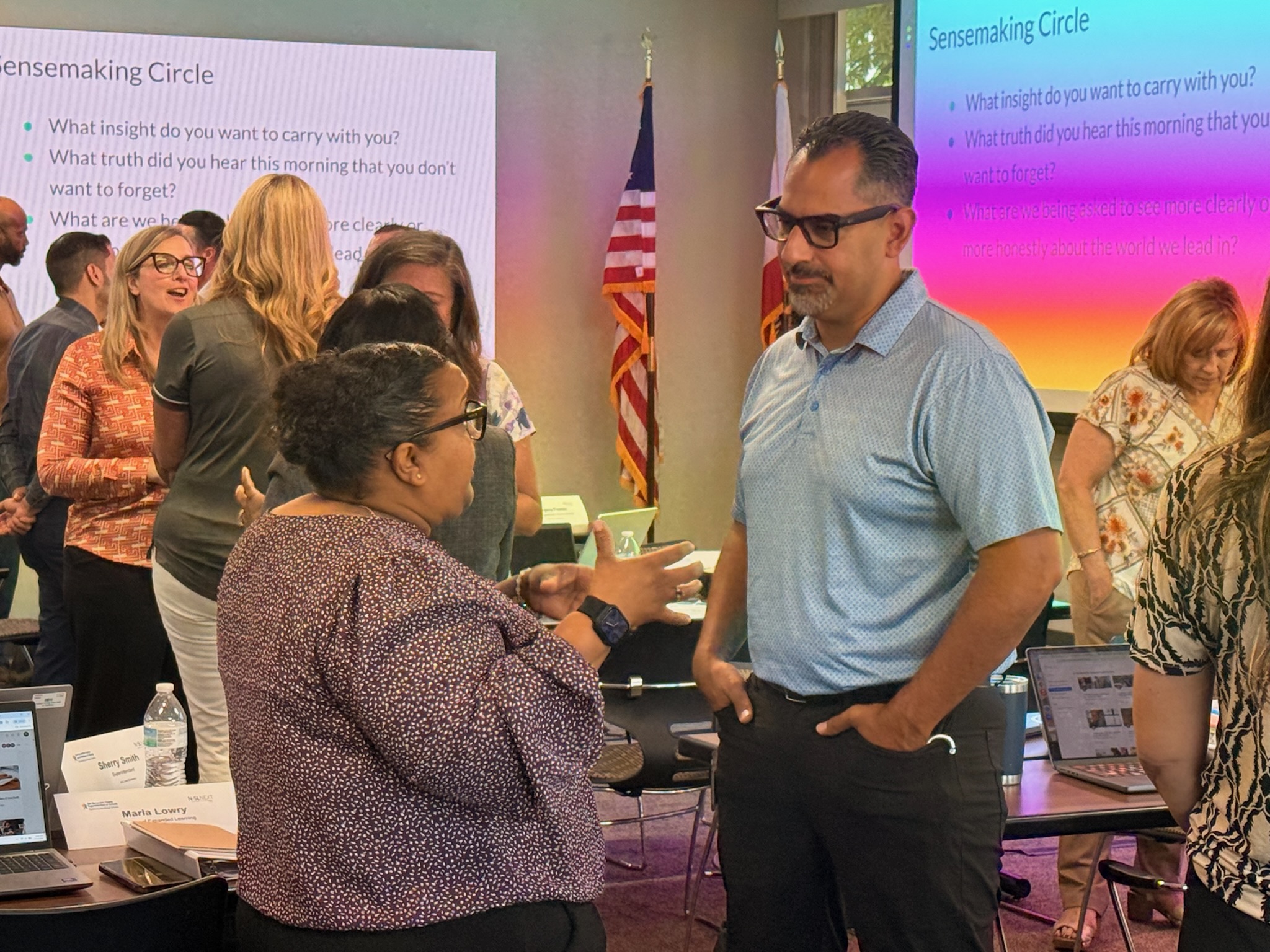
Their schools and districts vary in size, geography, and resources, but the priorities of today's education leaders are surprisingly similar.
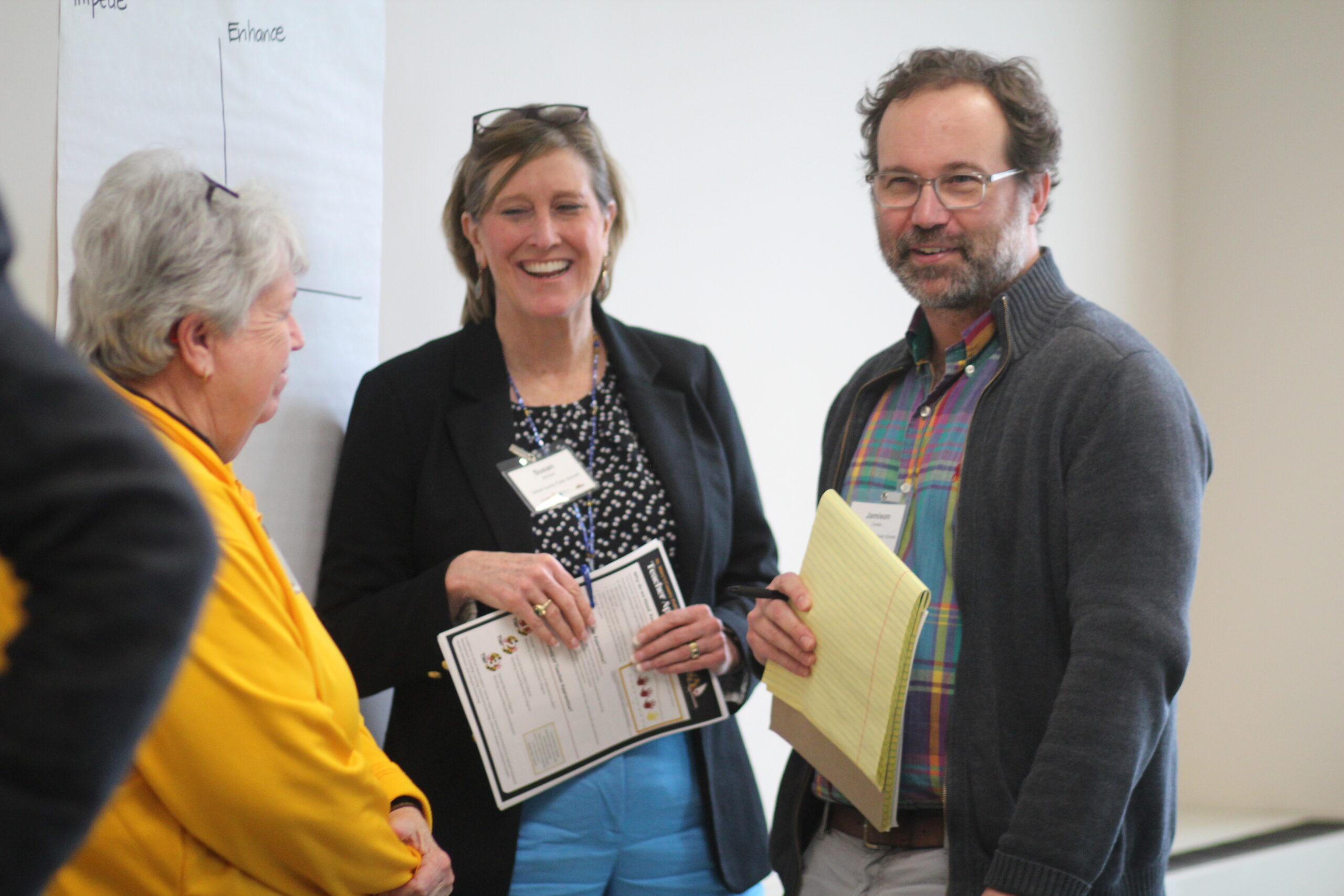
In Southern Maryland, more than 80 leaders came together not just to talk about the teacher shortage—but to build a bold, inclusive pipeline that reflects the students they serve and the future they deserve.

This Mississippi school district is partnering with industry to design bold pathways to career readiness for its students.
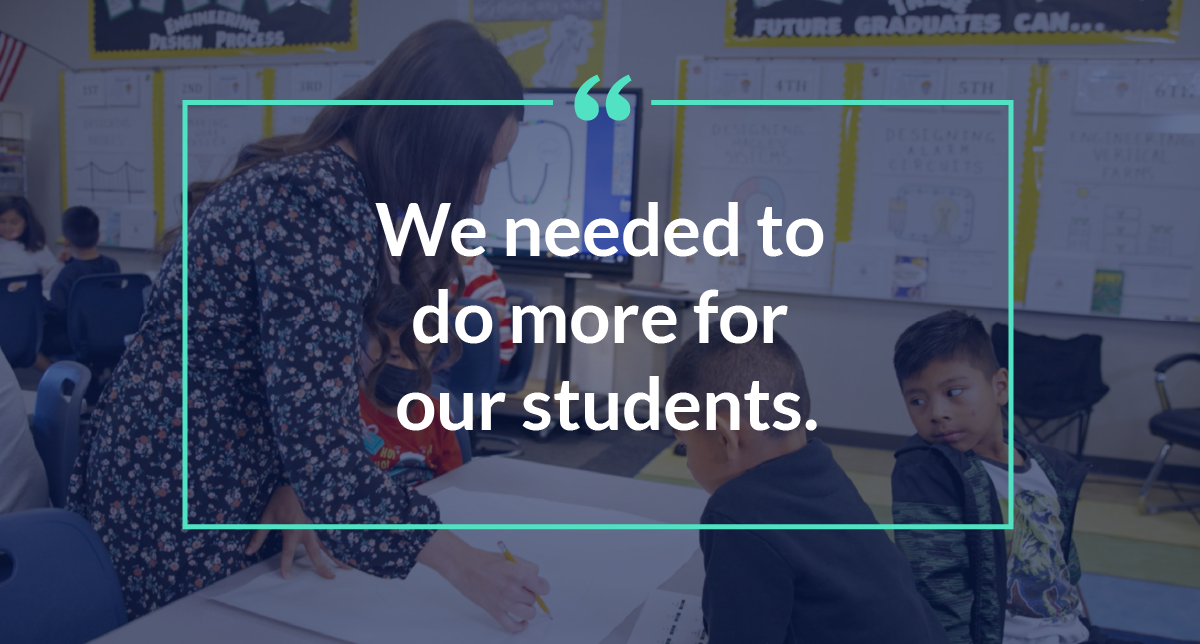
The goal was clear and compelling: to engineer an educational system that isn’t just about maintaining standards but setting them.
In the heart of Pennsylvania, a story is unfolding—one that paints a picture of unity, vision, and commitment towards early childhood education (ECE). This is a story of a varied group of individuals, from educators to advocates, funders to agency leaders, coming together to create a sustainable partnership that consistently provides equitable opportunities for ...
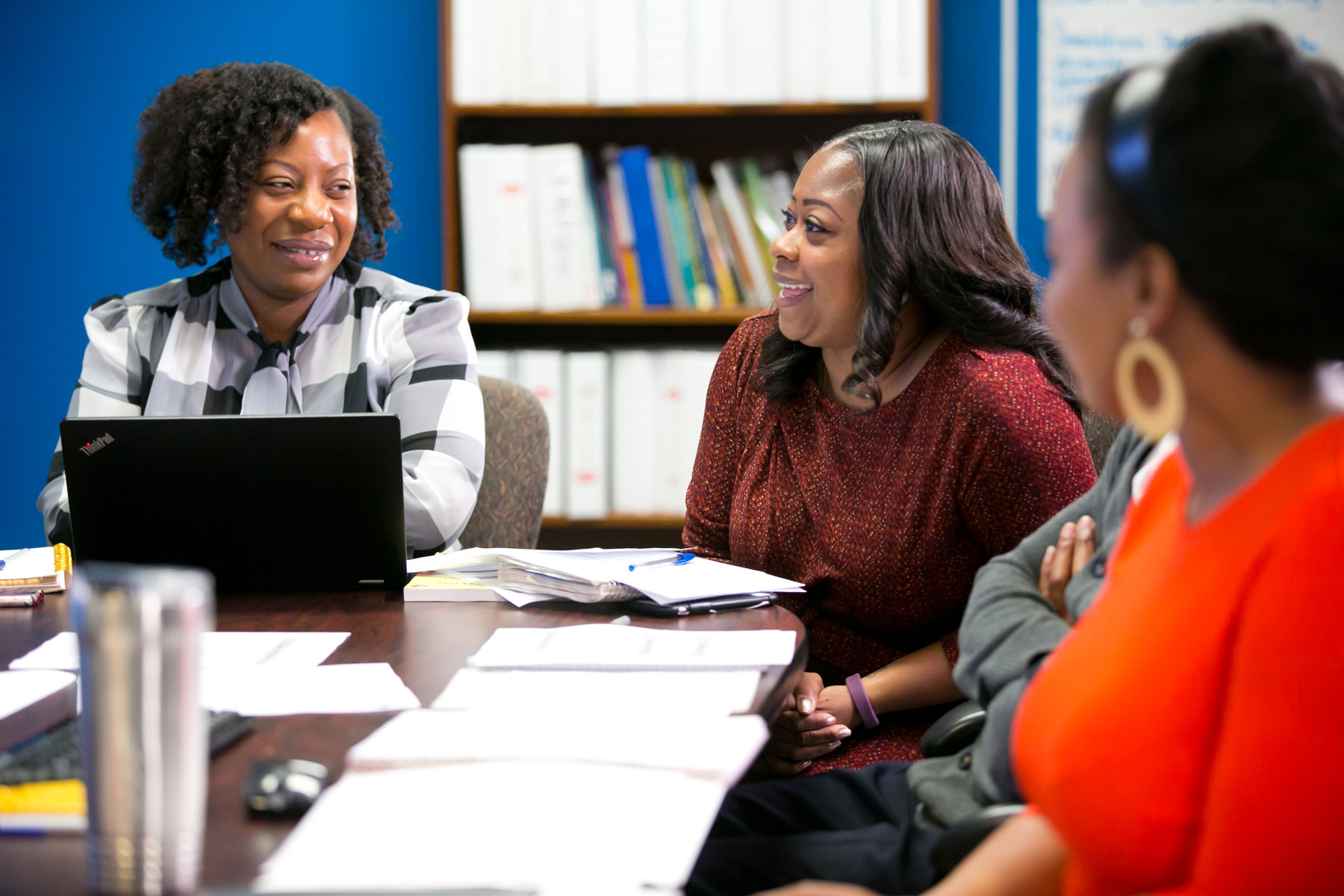
McComb School District has undertaken an initiative that not only redefines their approach to education, but also serves as a beacon for districts facing similar challenges.
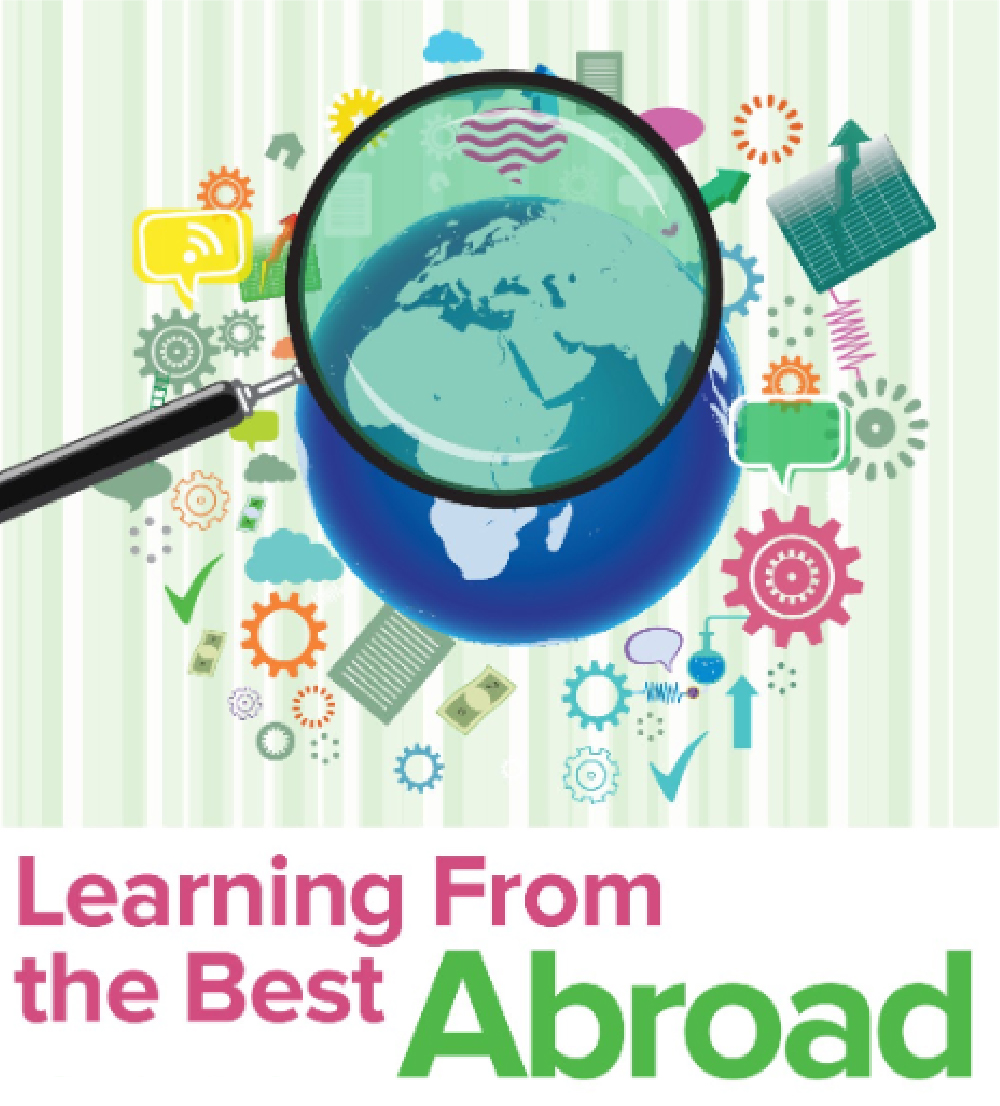
By studying high-flying schools around the world, some district leaders in the U.S. are driving transformative changes to yield better results.
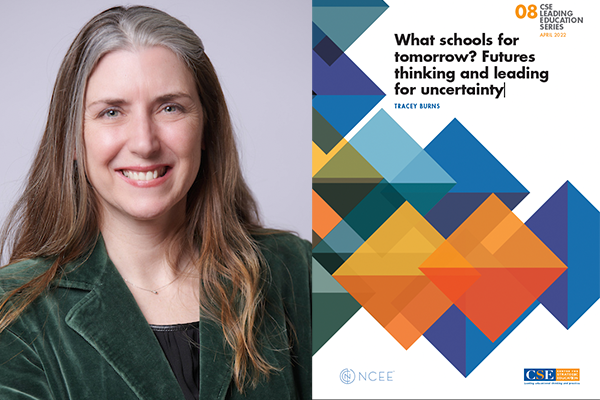
In this interview, Anthony Mackay talks to Tracey Burns about her latest paper “What schools for tomorrow? Futures thinking and leading for uncertainty.”

The pandemic has highlighted the tight connection between early childhood education and care and economic success for families and educational and social success for students. This has led to significant reforms around the world to both expand access to early childhood education and care and improve the quality of available programs.
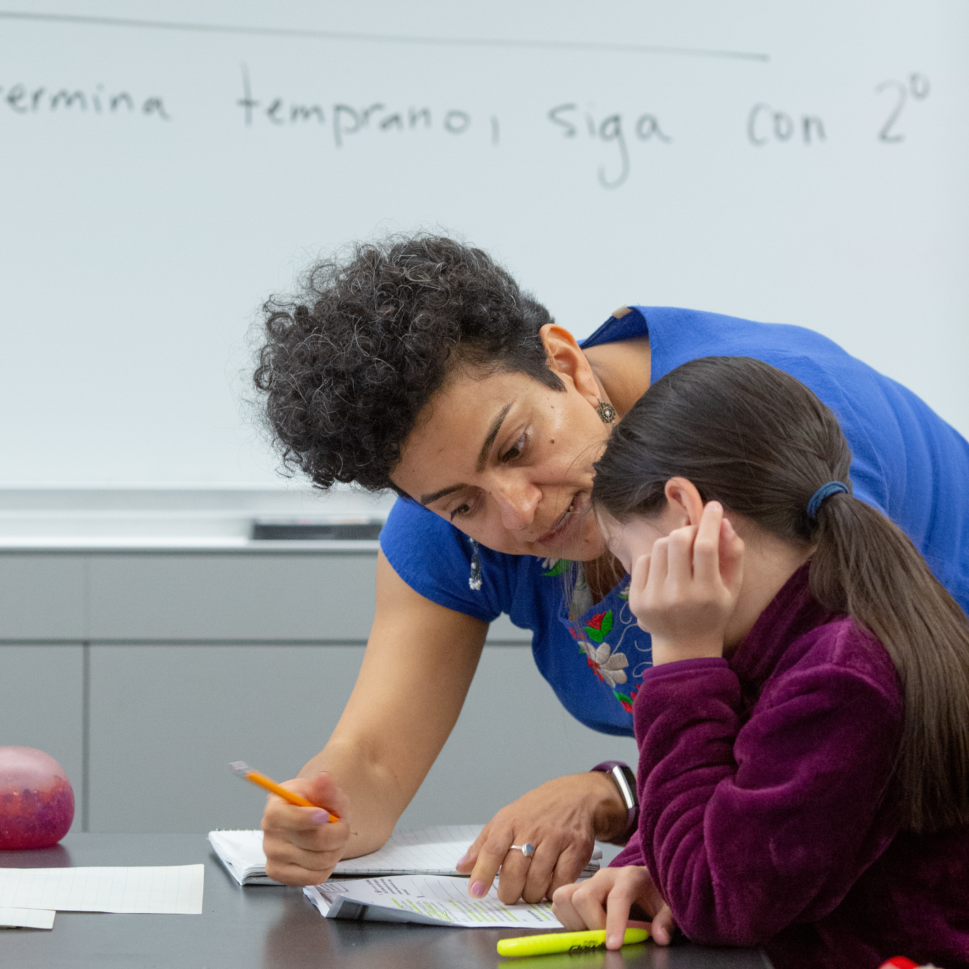
America’s most effective teachers are often not in the classrooms where they’re needed most. Some new research shows other countries face the same challenge. But there are also places to look to for solutions.

This just-released report outlines the rich conversations that took place among leaders from a set of the world’s highest-performing education systems about the impact of digitalization and other global trends on the future of work and civil society; what this means for what students should learn and how they should learn it; and how this might change the role of educators and the design of public education systems.
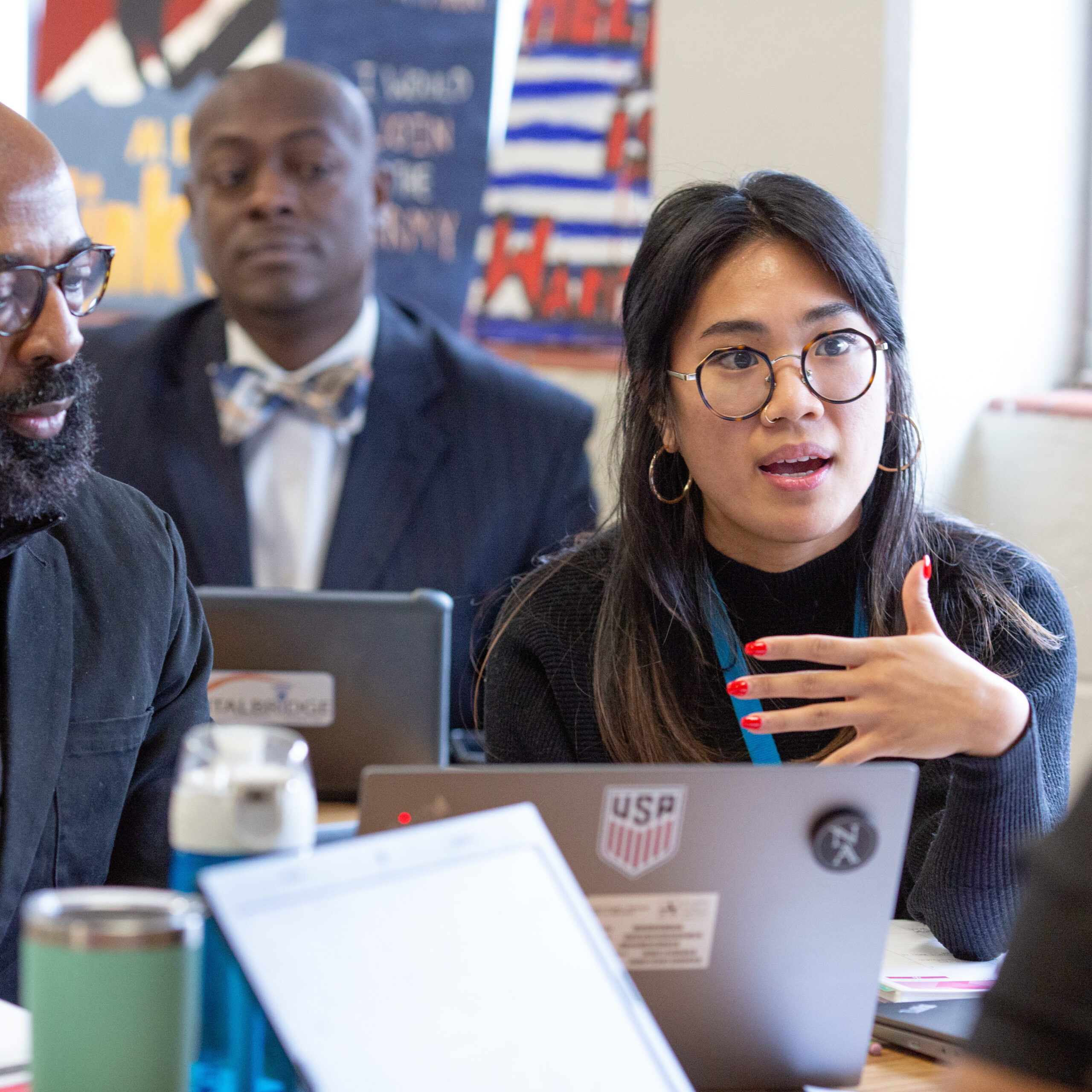
There are too many incentives for teachers to leave the classroom and not enough for them to stay, NCEE’s Jason Dougal and Ann Borthwick argue in a commentary for K-12 Dive. Dougal and Borthwick lay out a vision for an education system in which teachers’ work environment is more like that of doctors and lawyers and they are rewarded for leading the growth of their colleagues. Implementing these changes in light of current teacher shortages will attract more people to education and keep them in classrooms longer.
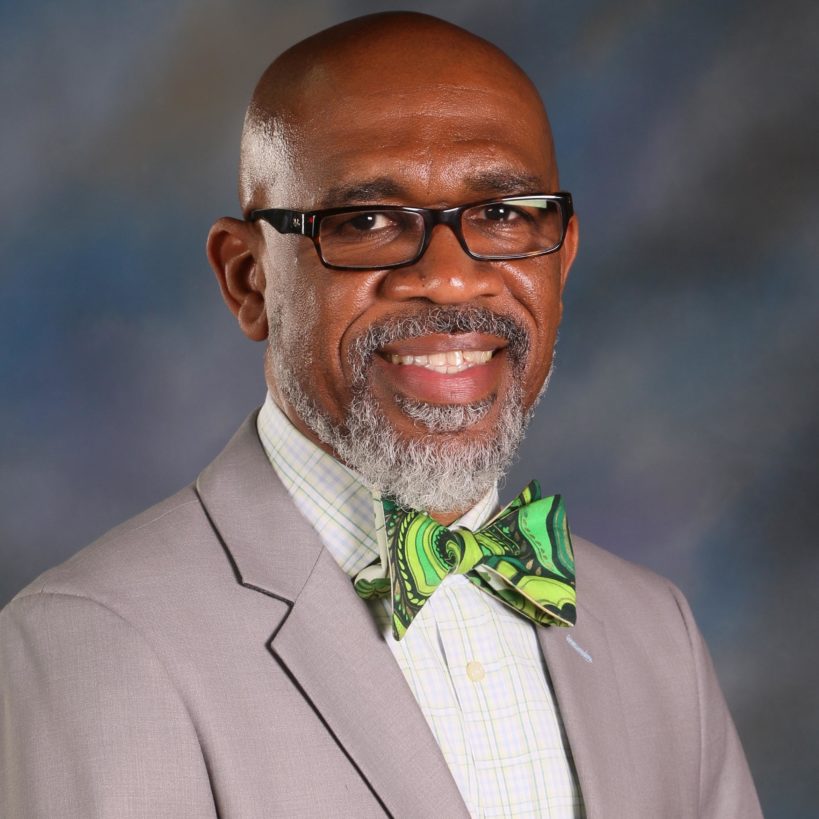
Superintendent Cederick Ellis found that replacing rigid class structures in an elementary school with a more student-tailored approach boosted student outcomes. He is now taking that approach to the rest of the schools in Mississippi’s McComb School District.

Tracey Burns, an international education researcher, talks with NCEE’s Anthony Mackay about potential directions for education around the world.
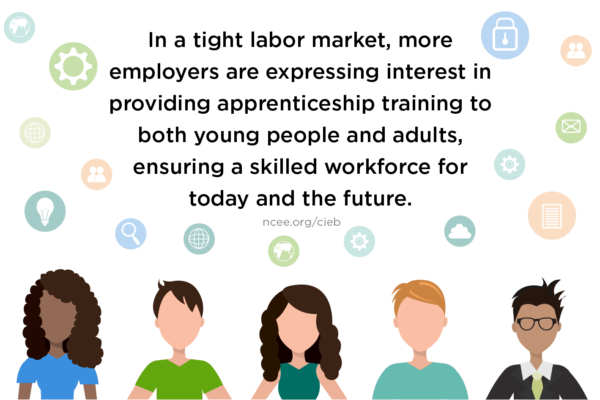
With increased interest in and funding for apprenticeships in the U.S., Switzerland’s world-class apprenticeship model offers lessons for how to build a CTE system that is both appealing to students and valued by industry.
-
In this interview, Anthony Mackay talks to Tracey Burns about her latest paper “What schools for tomorrow? Futures thinking and leading for uncertainty.”
-
The pandemic has highlighted the tight connection between early childhood education and care and economic success for families and educational and social success for students. This has led to significant reforms around the world to both expand access to early childhood education and care and improve the quality of available programs.
-
America’s most effective teachers are often not in the classrooms where they’re needed most. Some new research shows other countries face the same challenge. But there are also places to look to for solutions.
-
This just-released report outlines the rich conversations that took place among leaders from a set of the world’s highest-performing education systems about the impact of digitalization and other global trends on the future of work and civil society; what this means for what students should learn and how they should learn it; and how this might change the role of educators and the design of public education systems.
-
There are too many incentives for teachers to leave the classroom and not enough for them to stay, NCEE’s Jason Dougal and Ann Borthwick argue in a commentary for K-12 Dive. Dougal and Borthwick lay out a vision for an education system in which teachers’ work environment is more like that of doctors and lawyers and they are rewarded for leading the growth of their colleagues. Implementing these changes in light of current teacher shortages will attract more people to education and keep them in classrooms longer.
-
Superintendent Cederick Ellis found that replacing rigid class structures in an elementary school with a more student-tailored approach boosted student outcomes. He is now taking that approach to the rest of the schools in Mississippi’s McComb School District.
-
Tracey Burns, an international education researcher, talks with NCEE’s Anthony Mackay about potential directions for education around the world.
-
With increased interest in and funding for apprenticeships in the U.S., Switzerland’s world-class apprenticeship model offers lessons for how to build a CTE system that is both appealing to students and valued by industry.