
Onward
Together

Onward
Together
Onward
Together
Featured blog posts
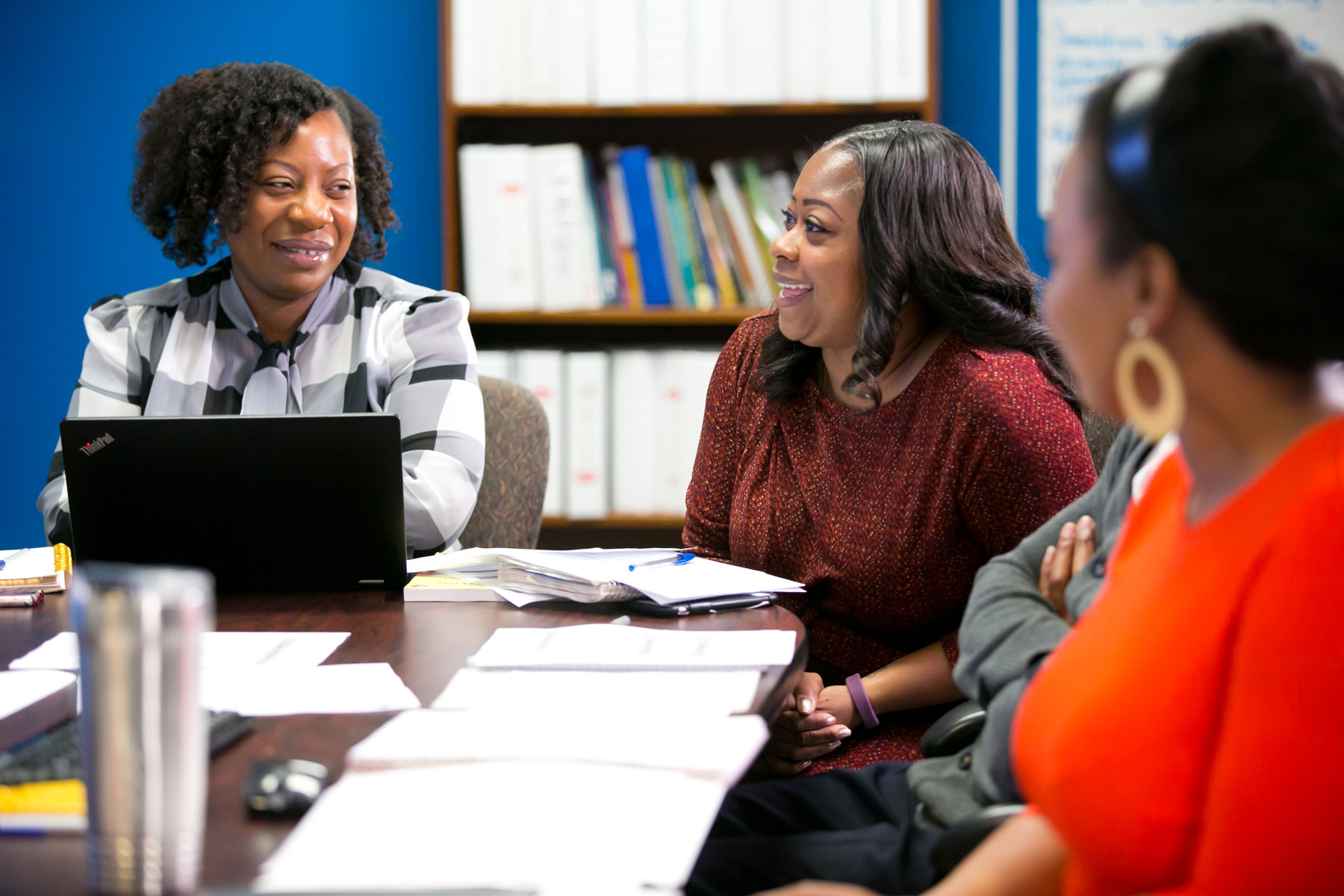
McComb School District has undertaken an initiative that not only redefines their approach to education, but also serves as a beacon for districts facing similar challenges.
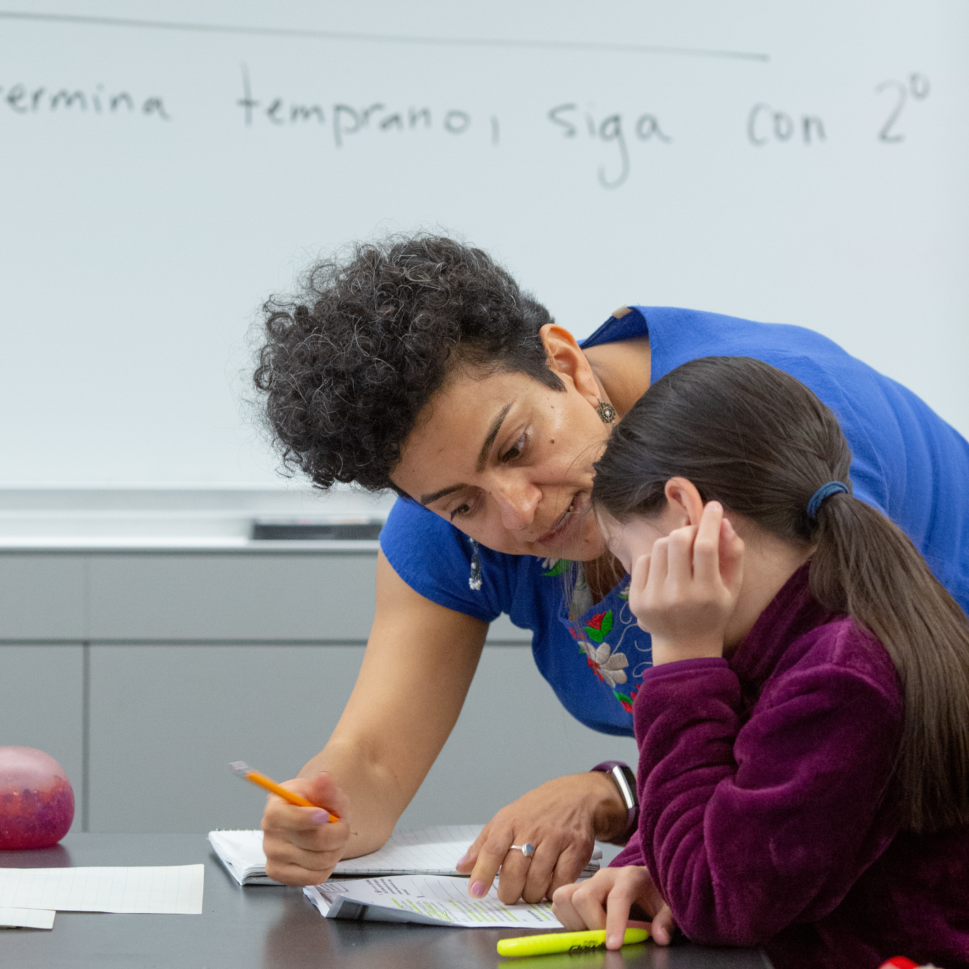
America’s most effective teachers are often not in the classrooms where they’re needed most. Some new research shows other countries face the same challenge. But there are also places to look to for solutions.
This just-released report outlines the rich conversations that took place among leaders from a set of the world’s highest-performing education systems about the impact of digitalization and other global trends on the future of work and civil society; what this means for what students should learn and how they should learn it; and how this might change the role of educators and the design of public education systems.
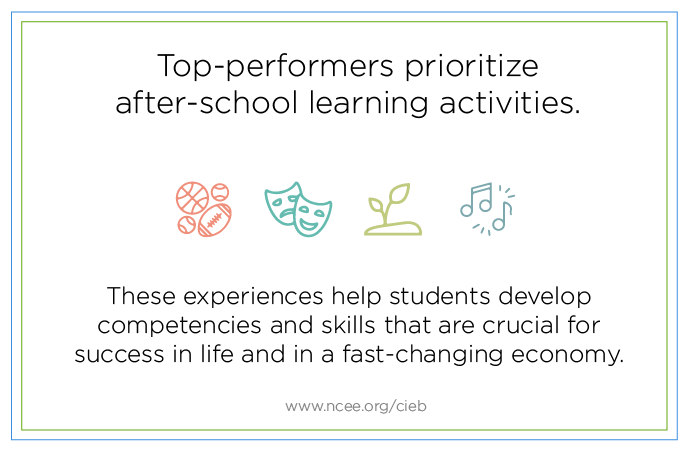
Schools play a key role in providing a broad set of learning experiences for all students both in and outside of the classroom. Learning experiences that occur outside of school often are an opportunity for students to develop the competencies and skills that are so crucial for success in life and in a ...

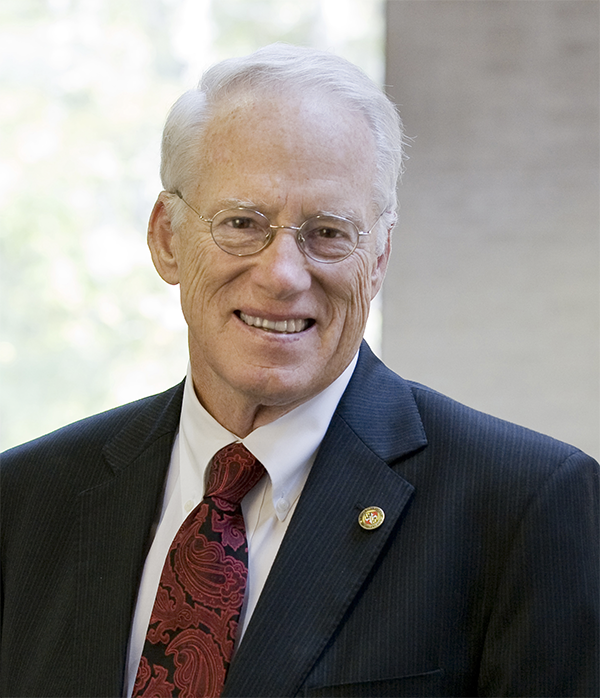
For the first Global Ed Talks interview of 2021, Anthony Mackay is joined by James Pellegrino, founding co-director of the University of Illinois at Chicago’s (UIC) interdisciplinary Learning Sciences Research Institute, and member of NCEE’s Board of Trustees.
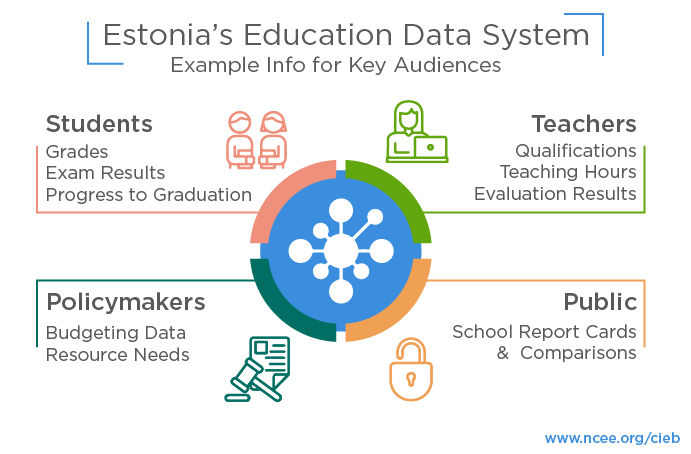
Collecting useful education data and making it available in formats that various stakeholders can access and use is a key challenge across the globe and here in the United States. As one of the most digitized nations in the world, Estonia’s education data system provides a model that others can learn from. Since ...
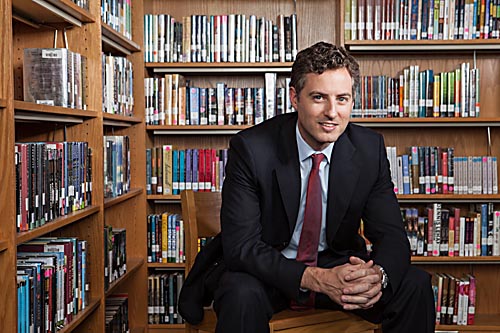
In the final Global Ed Talks of 2020, Anthony Mackay is joined by John White, co-founder and board chairman of Propel America and member of NCEE’s Board of Trustees.
Systems change in education is not for the faint of heart. And with the Every Student Succeeds Act (ESSA) rolling back the federal government’s footprint in education policy, states are now in the driver’s seat of education change. For many state and local education systems in the United States, nothing short of rethinking ...
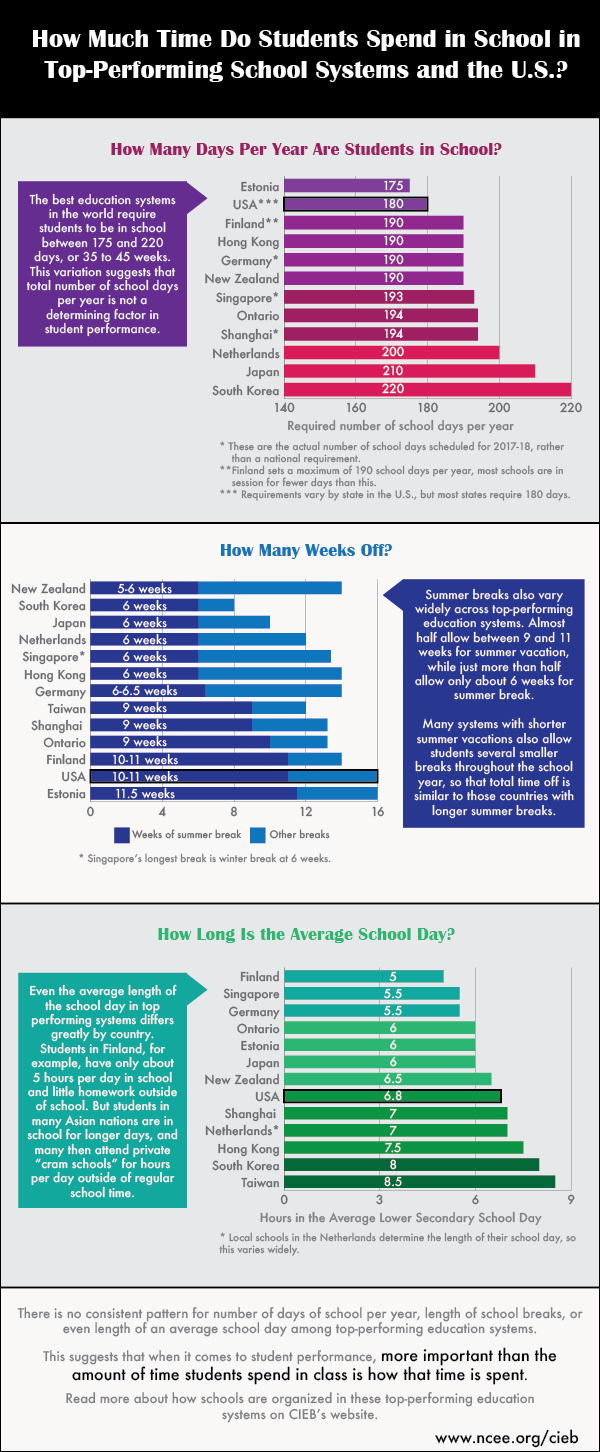
By Jennifer Craw Sources: Estonia: http://education.stateuniversity.com/pages/447/Estonia-EDUCATIONAL-SYSTEM-OVERVIEW.html https://www.hm.ee/et/tegevused/koolivaheajad Finland: https://www.utu.fi/en/units/tis/calendar/Pages/home.aspx https://fillingmymap.com/2015/04/15/11-ways-finlands-education-system-shows-us-that-less-is-more/ Germany: https://www.angloinfo.com/how-to/germany/family/schooling-education/school-schedule https://www.howtogermany.com/pages/germanschools.html https://www.schulferien.org/deutschland/ferien/2017-2018/ https://publicholidays.de/school-holidays/berlin/ Hong Kong: http://www.edb.gov.hk/en/edu-system/primary-secondary/applicable-to-primary/whole-day-schooling/index.html http://www.edb.gov.hk/attachment/en/curriculum-development/resource-support/guidelines-sch-calendar/Calculation%20of%20School%20Holidays%20and%20School%20Days%20-%20June%202011.pdf Japan: http://web-japan.org/kidsweb/explore/calendar/april/schoolyear.html http://global.chuo-u.ac.jp/english/unicms/wp-content/uploads/2014/03/Academic_Year_and_Academic_Calendar.pdf New Zealand: https://parents.education.govt.nz/essential-information/school-terms-and-holidays/ https://www.newzealandnow.govt.nz/living-in-nz/education/school-system Netherlands: https://study.studentnews.eu/s/3693/75527-School-year-in-Europe/4468142-Netherlands-201718.htm https://www.government.nl/topics/school-holidays/question-and-answer/school-holidays-2017%E2%80%932018 Ontario: http://www.tdsb.on.ca/About-Us/Calendar https://settlement.org/ontario/education/elementary-and-secondary-school/general-information/when-do-children-begin-and-end-school-each-day/ Shanghai: http://xiaoxue.eol.cn/zx/shanghai/xiaoxue/201707/t20170717_1541162.shtml https://www.timeanddate.com/holidays/china/2017 http://hechingered.org/content/a-day-in-the-life-of-chinese-students_3826/ Singapore: https://www.moe.gov.sg/news/press-releases/school-terms-and-holidays-for-2018 https://www.angloinfo.com/how-to/singapore/moving/country-file/public-holidays https://internationalednews.com/2014/09/17/the-school-day-singapore/ South Korea: http://www.bbc.com/news/education-25187993 http://www.jobmonkey.com/asia/school_calendar_in_s_k_/ Taiwan: https://www.angloinfo.com/how-to/taiwan/family/schooling-education/school-year http://www.jobmonkey.com/asia/school_calendar_in_tw/ USA https://nces.ed.gov/surveys/pss/tables/table_2004_06.asp https://nces.ed.gov/surveys/pss/tables/table_2004_06.asp ...
By Miki Aristorenas Since the inception of the Programme for International Student Assessment (PISA) in 2000, Finland has attracted international attention and recognition for its sustained leadership as a high-performing education system. As highlighted in the Linda Darling-Hammond led, NCEE supported Empowered Educators study, a major driver of Finland’s success lies in its ...
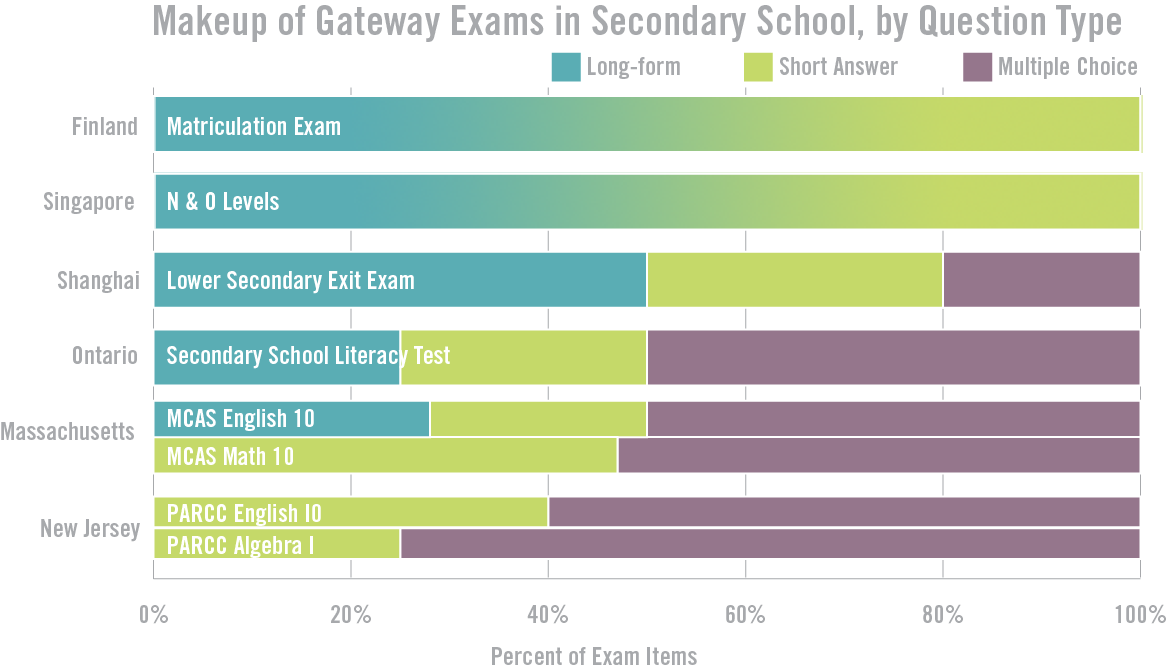
By Nathan Driskell “You are what you measure,” as they say in the business community. If that is true, then what does that mean when you are talking about student testing in the United States? The assessments currently used in most American schools have advanced beyond the multiple-choice questions that used to dominate. ...

By David Loewenberg In the Netherlands, a country with a population about the size of the state of New York, the lines between public and private schools are blurred—all schools, be they public or private, religiously-affiliated or secular, are funded equally by the government. As a result, children receive a free, government-funded education no ...
-
Systems change in education is not for the faint of heart. And with the Every Student Succeeds Act (ESSA) rolling back the federal government’s footprint in education policy, states are now in the driver’s seat of education change. For many state and local education systems in the United States, nothing short of rethinking ...
-
By Jennifer Craw Sources: Estonia: http://education.stateuniversity.com/pages/447/Estonia-EDUCATIONAL-SYSTEM-OVERVIEW.html https://www.hm.ee/et/tegevused/koolivaheajad Finland: https://www.utu.fi/en/units/tis/calendar/Pages/home.aspx https://fillingmymap.com/2015/04/15/11-ways-finlands-education-system-shows-us-that-less-is-more/ Germany: https://www.angloinfo.com/how-to/germany/family/schooling-education/school-schedule https://www.howtogermany.com/pages/germanschools.html https://www.schulferien.org/deutschland/ferien/2017-2018/ https://publicholidays.de/school-holidays/berlin/ Hong Kong: http://www.edb.gov.hk/en/edu-system/primary-secondary/applicable-to-primary/whole-day-schooling/index.html http://www.edb.gov.hk/attachment/en/curriculum-development/resource-support/guidelines-sch-calendar/Calculation%20of%20School%20Holidays%20and%20School%20Days%20-%20June%202011.pdf Japan: http://web-japan.org/kidsweb/explore/calendar/april/schoolyear.html http://global.chuo-u.ac.jp/english/unicms/wp-content/uploads/2014/03/Academic_Year_and_Academic_Calendar.pdf New Zealand: https://parents.education.govt.nz/essential-information/school-terms-and-holidays/ https://www.newzealandnow.govt.nz/living-in-nz/education/school-system Netherlands: https://study.studentnews.eu/s/3693/75527-School-year-in-Europe/4468142-Netherlands-201718.htm https://www.government.nl/topics/school-holidays/question-and-answer/school-holidays-2017%E2%80%932018 Ontario: http://www.tdsb.on.ca/About-Us/Calendar https://settlement.org/ontario/education/elementary-and-secondary-school/general-information/when-do-children-begin-and-end-school-each-day/ Shanghai: http://xiaoxue.eol.cn/zx/shanghai/xiaoxue/201707/t20170717_1541162.shtml https://www.timeanddate.com/holidays/china/2017 http://hechingered.org/content/a-day-in-the-life-of-chinese-students_3826/ Singapore: https://www.moe.gov.sg/news/press-releases/school-terms-and-holidays-for-2018 https://www.angloinfo.com/how-to/singapore/moving/country-file/public-holidays https://internationalednews.com/2014/09/17/the-school-day-singapore/ South Korea: http://www.bbc.com/news/education-25187993 http://www.jobmonkey.com/asia/school_calendar_in_s_k_/ Taiwan: https://www.angloinfo.com/how-to/taiwan/family/schooling-education/school-year http://www.jobmonkey.com/asia/school_calendar_in_tw/ USA https://nces.ed.gov/surveys/pss/tables/table_2004_06.asp https://nces.ed.gov/surveys/pss/tables/table_2004_06.asp ...
By Miki Aristorenas Since the inception of the Programme for International Student Assessment (PISA) in 2000, Finland has attracted international attention and recognition for its sustained leadership as a high-performing education system. As highlighted in the Linda Darling-Hammond led, NCEE supported Empowered Educators study, a major driver of Finland’s success lies in its ...
-
By Nathan Driskell “You are what you measure,” as they say in the business community. If that is true, then what does that mean when you are talking about student testing in the United States? The assessments currently used in most American schools have advanced beyond the multiple-choice questions that used to dominate. ...
-
By David Loewenberg In the Netherlands, a country with a population about the size of the state of New York, the lines between public and private schools are blurred—all schools, be they public or private, religiously-affiliated or secular, are funded equally by the government. As a result, children receive a free, government-funded education no ...